
A Practical Guide to Managing Sensitive Skin Without Overloading It

Sensitive skin can feel like walking a tightrope. One day, your complexion is calm and cooperative. The next, it flares at the slightest change in weather, fragrance, or product. The instinct when sensitivity arises is often to add more products to fix it, but that usually makes things worse. Real progress comes from understanding your skin’s needs and removing unnecessary irritation, not from layering on more treatments.
This guide walks you through a clear, realistic approach to managing sensitive skin without overwhelming it. You’ll learn how to choose the right products, streamline your routine, support your skin barrier, and build lasting calm.
Step 1: Understand What “Sensitive Skin” Really Means
Sensitive skin isn’t a single skin type. It’s a response pattern. It shows up as:
- Redness or flushing
- Tightness or stinging
- Irritation after using products
- Flare-ups in response to environmental changes
These reactions happen when your skin’s protective barrier is compromised and unable to defend itself from stressors. The goal is to strengthen that barrier and minimise triggers.
Step 2: Simplify Your Routine
Sensitive skin responds best to less, not more. A simple, consistent routine reduces the risk of conflicts between ingredients and gives your skin space to stabilise.
Here’s a minimalist framework:
Morning
- Gentle cleanser
- Hydrating essence
- Lightweight moisturiser
- Broad-spectrum SPF
Evening
- Gentle cleanser
- Hydrating essence
- Moisturiser (possibly richer if your skin needs more barrier support)
Avoid adding serums, treatments, and actives all at once. Stick with the basics until your skin feels settled. For gentle, barrier-friendly products that support calm skin, explore soothing formulas from Anua.
Step 3: Choose Ingredients That Support Barrier Health
Sensitive skin thrives when its barrier is strong. Prioritise products that focus on protection, hydration, and calm rather than aggressive correction.
Key ingredient groups to look for:
- Ceramides – Help rebuild the barrier
- Panthenol (Vitamin B5) – Soothes and hydrates
- Hyaluronic Acid – Draws and holds moisture
- Centella Asiatica Extract – Calming botanical for irritation
- Allantoin – Gentle comfort for reactive skin
Steer clear of fragrances, essential oils, and harsh alcohols in your cleansers and moisturisers. These can strip or irritate sensitive skin.
Step 4: Reintroduce Actives Slowly, If at All
Actives like AHAs, BHAs, or retinol can be powerful tools for texture, tone, and clarity. But for sensitive skin, they should be introduced cautiously and intentionally, not in every routine.
If you choose to use a treatment:
- Start with the lowest strength
- Apply only once or twice a week
- Use it on its own, not layered with other actives
- Always follow with moisturiser and SPF
For many people with sensitive skin, long-term calm comes from keeping actives to a minimum and focusing on barrier support instead.
Step 5: Be Smart About Cleansing
Your cleanser sets the tone for everything else. Look for gentle, non-foaming or low-foam formulas that remove debris without stripping natural oils. Over-cleansing or using foaming, harsh detergents can leave your skin tight, reactive, and prone to sensitivity.
Use lukewarm water only. Hot water increases redness and can disrupt your barrier.
Step 6: Protect and Nourish Around the Clock
Even when your skin feels calm, protection is essential.
Sun protection
Daily SPF keeps UV stress in check. Choose a mineral SPF or a gentle formula that sits well on sensitive skin.
Barrier nourishment
Moisture isn’t just about hydration. Lipids like ceramides help keep what belongs in the skin where it belongs.
If your skin is reacting, pause all non-essentials and focus only on hydration and protection for a week. You’ll often find that sensitivity decreases quickly when the barrier gets the support it needs.
Step 7: Pay Attention to Triggers
Everyone’s sensitive triggers are different, but common culprits include:
- Fragrance and essential oils
- Abrasive exfoliation
- Alcohol-heavy formulas
- Extreme temperatures
- Wind or sun exposure
You may find that even gentle products cause sensitivity when combined with heat, cold, or stress. Observation is key. Keep a simple journal for a few weeks, noting how your skin reacts to products, weather, stress, and diet. Over time, you’ll see patterns.
About The Author

 Building a Stronger Emergency Preparedness Plan for Healthcare Environments
 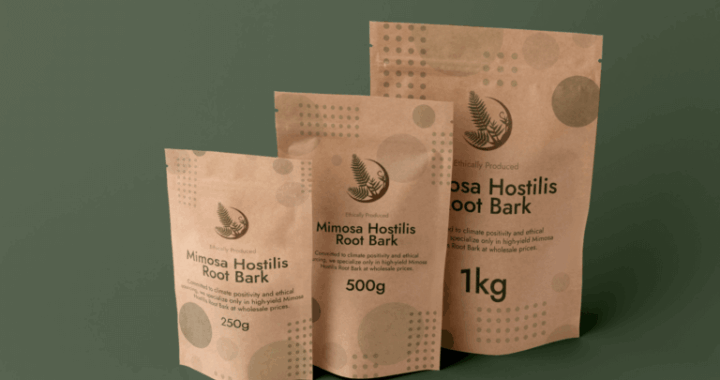 Mimosa Hostilis Root Bark 1kg: Everything You Need to Know Before Buying
  Almond Protein Powder: A Versatile Ingredient for Modern Food Innovation
  How Modern Research Standards Are Improving Laboratory Outcomes
  Spatial Gene Expression: Why Knowing Where Genes Are Active Matters as Much as
Knowing Which Ones
Spatial Gene Expression: Why Knowing Where Genes Are Active Matters as Much as
Knowing Which Ones  Asbestos Exposure Risks by Industry