
How Modern Research Standards Are Improving Laboratory Outcomes
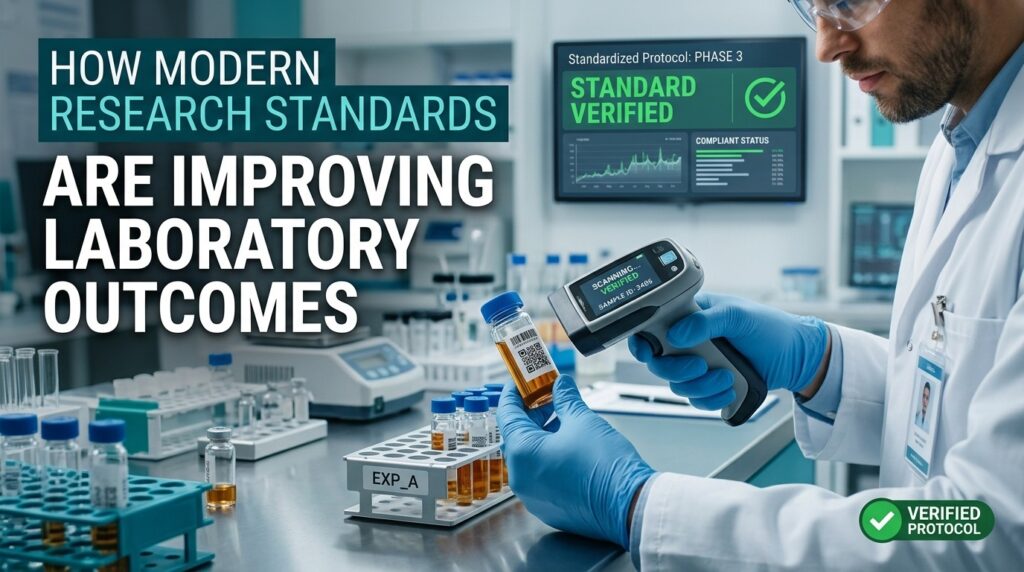
Science moves forward when the methods behind it improve. Over the past decade, laboratories around the world have adopted stricter standards for how studies are designed, how compounds are sourced, and how results are documented. These changes are not just procedural. They are making a real difference in the quality and reliability of research outcomes.
Why Research Standards Matter
A study is only as good as the conditions it was conducted in. If equipment is poorly calibrated, compounds are impure, or protocols are inconsistent, the data produced cannot be trusted. This is why the scientific community has placed increasing emphasis on standardization across the board.
Better standards reduce the chance of errors, make studies easier to replicate, and give researchers more confidence in their findings. For fields like biochemistry, endocrinology, and peptide science, this matters enormously.
The Shift Toward Higher Compound Purity
One of the most important improvements in recent years is the demand for higher compound purity in research settings. Low-quality compounds introduce variables that can skew results or make studies impossible to reproduce.
Researchers now routinely request certificates of analysis (CoA), third-party testing results, and detailed purity documentation before using any compound in a study. This level of scrutiny was not always standard, but it has become a baseline expectation in serious research environments.
Suppliers who meet these expectations, like Peptides Source, help researchers maintain the compound quality needed to run clean, credible studies.
Reproducibility as a Core Research Goal
Reproducibility has become a central topic in modern science. If a study cannot be repeated by another team and produce similar results, its value is limited. For years, many fields struggled with a reproducibility crisis, where published findings could not be confirmed by independent researchers.
The response from the scientific community has been practical. Laboratories now keep more detailed records, share raw data more openly, and use standardized protocols that other teams can follow precisely.
This shift has raised the overall standard of published research and pushed individual labs to be more disciplined in how they document and share their work.
Better Equipment and Data Tracking
Modern laboratory equipment is more precise than ever. High-performance liquid chromatography (HPLC), mass spectrometry, and digital data logging systems have replaced older, less reliable methods in many settings.
These tools do not just improve accuracy. They also create automatic records that can be reviewed, audited, and shared. For studies involving complex compounds, having reliable measurement tools is not optional. It is the foundation of trustworthy science.
Ethical Sourcing and Supply Chain Transparency
Where a compound comes from matters as much as what it is. Researchers are increasingly asking suppliers for full transparency about manufacturing processes, storage conditions, and handling procedures.
This focus on supply chain integrity protects the research itself. A compound stored incorrectly or handled poorly before it reaches the lab may be degraded in ways that are not immediately visible but still affect study outcomes. Working with a reliable supplier such as Peptides Source gives research teams confidence that what arrives in the lab matches what was ordered.
Training and Protocol Consistency
Even the best equipment and purest compounds will not produce good science if the people using them are not properly trained. Modern research institutions invest more in staff training, standard operating procedures (SOPs), and regular audits than they did in previous generations.
Consistent protocols mean that two researchers working on the same study will handle compounds and equipment in the same way. This reduces human error and makes results more reliable across the entire team.
Final Thoughts
The improvements happening in laboratory settings today are not dramatic breakthroughs. They are steady, methodical upgrades to how science is practiced. Better compounds, cleaner data, stricter documentation, and more transparent supply chains are all contributing to a higher standard of research overall.
For anyone working in or following the sciences, these changes are worth paying attention to. The quality of what we learn from laboratory research depends entirely on the quality of how that research is carried out.
Disclaimer: All peptides and compounds referenced in this article are intended strictly for laboratory and scientific research purposes only. They are not approved for human or animal consumption, self-administration, or any therapeutic use. Always follow institutional safety guidelines and applicable regulations when sourcing and handling research materials.
About The Author

 Accessing Comprehensive Digestive Health Services in Modern Healthcare Networks
  Finding Confidence Through Aesthetic Wellness
  5 SD-WAN Solutions That Support Zero-Touch Network Provisioning
  How Online Marijuana Card Consultations Work in Reston
  From Evidence to Practice: Integrating Alpine Zanubrutinib into CLL Treatment Pathways
  Why Beneficiary Planning Matters for Family Financial Security