
Almond Protein Powder: A Versatile Ingredient for Modern Food Innovation
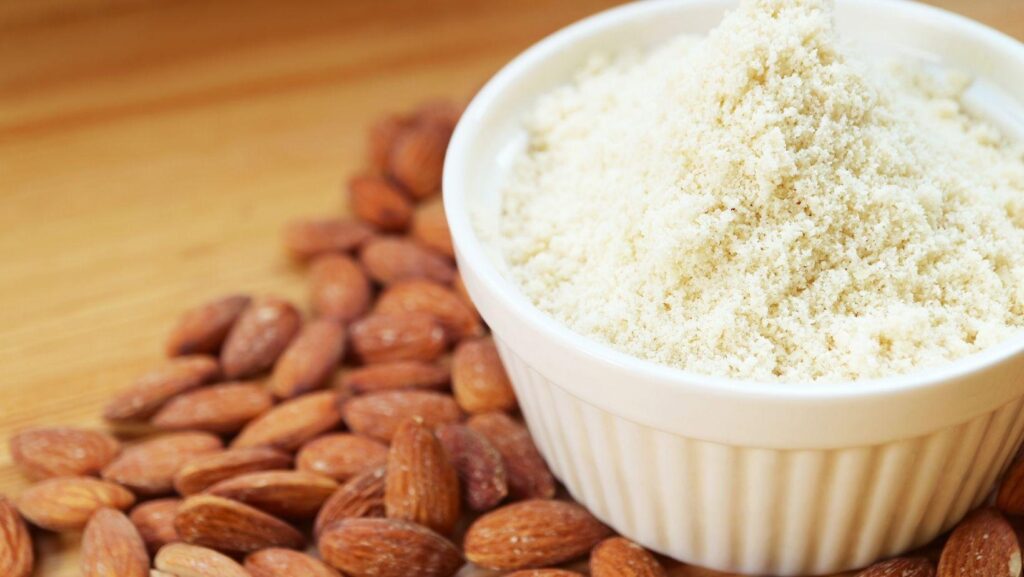
As demand for plant-based nutrition continues to grow, food manufacturers are looking for ingredients that combine functionality, nutrition, and clean-label appeal. Almond protein powder has emerged as a versatile option for a wide range of food and beverage applications, offering a naturally plant-based source of protein with a mild roasted almond flavor and reduced fat content. Harris Woolf Almonds produces customizable almond protein powder for manufacturers developing products across the health, wellness, baking, and beverage industries.
What Is Almond Protein Powder?
Unlike traditional almond flour, almond protein powder is produced through a pressing process that separates almond oil from the solids. This results in an ingredient with significantly higher protein content and lower fat while retaining the natural characteristics of almonds. Harris Woolf Almonds’ product contains more than 40% protein, compared with approximately 21% to 29% protein typically found in conventional almond flour.
Available options include:
- Natural
- Blanched
- Organic
- Custom specifications for food manufacturers
This flexibility allows manufacturers to select an ingredient that aligns with their product requirements and processing needs.
Benefits of Almond Protein Powder
Plant-based ingredients continue to gain popularity among consumers seeking products with simple ingredient lists and diverse nutritional options. Almond protein powder offers several functional and formulation advantages.
Potential benefits include:
- High protein content
- Lower fat than traditional almond flour
- Naturally gluten free
- Dairy free
- Vegan
- Mild almond flavor
- Clean-label appeal
These characteristics make it suitable for a variety of product categories while supporting evolving consumer preferences.
Applications Across Food and Beverage Products
The versatility of almond protein powder allows it to be incorporated into numerous formulations without significantly altering taste or texture.
Common applications include:
Protein Bars and Nutrition Products
Almond protein powder can help increase protein content while contributing a natural nut flavor that complements many nutrition-focused products. It is commonly used in protein bars, meal replacement products, and sports nutrition formulations.
Baked Goods
Manufacturers can incorporate almond protein into products such as:
- Cookies
- Muffins
- Cakes
- Brownies
- Pancakes
- Protein-enhanced baked snacks
Its functionality allows developers to improve nutritional value while maintaining product quality.
Gluten-Free Foods
Because almonds are naturally gluten free, almond protein powder is well suited for gluten-free baking mixes, breads, snacks, and specialty foods designed for consumers avoiding gluten.
Plant-Based Beverages
Its smooth texture and plant-based profile make almond protein powder suitable for:
- Protein shakes
- Smoothies
- Ready-to-drink beverages
- Dairy alternatives
Manufacturers can use it to increase protein content while supporting clean-label formulations.
Low-Carb and Keto Products
The ingredient’s nutritional profile also supports formulations intended for lower-carbohydrate lifestyles, including keto-friendly foods, tortillas, pizza crusts, pasta alternatives, and snack products.
Supporting Clean-Label Formulations
Consumers increasingly seek products with recognizable ingredients and minimal processing. Almond protein powder aligns with this trend by offering a plant-based protein source made entirely from almonds without dairy or animal-derived ingredients. Harris Woolf Almonds offers products suitable for vegan, dairy-free, and gluten-free formulations, helping manufacturers develop products for a broad range of dietary preferences.
Custom Manufacturing Solutions
Every food product has unique formulation requirements. Harris Woolf Almonds provides customizable almond protein powder options to meet different specifications for texture, particle size, flavor, and color.
Manufacturing capabilities include:
- Conventional and organic options
- Natural and blanched varieties
- Bulk supply
- Custom processing
- Consistent quality control
As a vertically integrated almond processor, the company works with food manufacturers to provide scalable ingredient solutions that support long-term production needs.
Storage and Packaging
To maintain product quality, almond protein powder should be stored in a cool, dry environment. Harris Woolf Almonds recommends storage temperatures of approximately 35°F to 60°F with relative humidity below 65%. The product is available in bulk packaging for commercial manufacturing applications and has a typical shelf life of 12 to 18 months under recommended storage conditions.
Choosing Almond Protein Powder for Product Development
As consumer demand for plant-based, clean-label ingredients continues to grow, almond protein powder offers manufacturers a flexible ingredient that combines functionality, nutrition, and broad application potential. Whether incorporated into protein bars, baked goods, beverages, gluten-free products, or better-for-you snacks, it provides a high-protein solution that supports modern food innovation while meeting a wide range of formulation goals.
About The Author

 5 SD-WAN Solutions That Support Zero-Touch Network Provisioning
  How Online Marijuana Card Consultations Work in Reston
  From Evidence to Practice: Integrating Alpine Zanubrutinib into CLL Treatment Pathways
  Why Beneficiary Planning Matters for Family Financial Security
  What Makes a Modern Online Casino Attractive to Players
  What Flavor and Texture Features Make CBD Gummies More Enjoyable?