
The Rise Of Private Home Catering In Global Cities: What Dubai Illustrates About A Shifting Hospitality Market
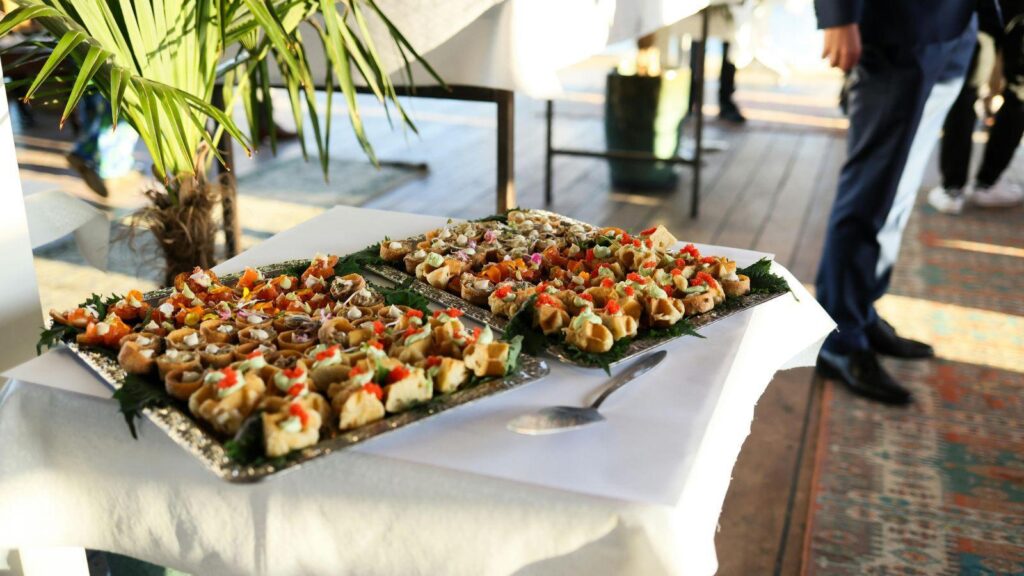
Hospitality has changed quietly but profoundly over the last decade. The assumption that dining with friends, family, or colleagues meant booking a restaurant has softened. In its place, a new category has emerged: the professionally catered private event at home. It started as a niche service for the very wealthy and has become a broader option in cities where schedules are tight, expectations are high, and the home itself is increasingly the preferred setting for meaningful gatherings.
Dubai offers a particularly clear view of how this market has matured, and what it says about consumer behaviour in global cities more widely.
Why the home has replaced the restaurant for many occasions
Several forces have converged to push more entertaining back into the home. Dining out in global cities has become more expensive, reservations are harder to secure, and guests increasingly value privacy, flexibility, and the sense of intimacy that a private setting provides. At the same time, home design has evolved to treat kitchens, dining rooms, and outdoor spaces as genuine entertaining venues rather than purely functional areas.
The professional catering industry has responded by building services that fit this new context. Where older catering models focused on large corporate events or weddings, the new generation is designed around smaller, more personal gatherings, with chefs arriving at a private address, cooking on site, and leaving the kitchen cleaner than they found it.
What a modern private catering service actually delivers
The contemporary home catering experience has three reliable pillars: a chef or team, a curated menu, and full operational management from arrival to departure. Beyond those basics, the better services have specialised in ways that reflect how their clients actually entertain.
- Menu design that takes dietary, cultural, and seasonal preferences into account rather than offering a fixed list
- Tableware, glassware, and service staff supplied or coordinated as needed
- In some cases, a front-of-house host who manages timing and guest flow
- Sourcing transparency, including provenance of meat, seafood, and produce
- Licensing and food safety documentation available on request
This level of service has moved from being an anomaly to being a baseline expectation among the clientele that uses these services regularly.
What Dubai tells us about the category
Dubai has become a useful case study for the private catering market because its residents tend to entertain frequently, their expectations are calibrated against a wide international reference set, and the city has a dense concentration of professional chefs who have worked across multiple cuisines. Providers offering home catering dubai sit at the higher end of the market, with chef-led menus, in-home service, and the kind of kitchen management that turns a private dinner into something closer to a staged restaurant experience.
The Dubai model is instructive because it shows how a service category evolves once it stops being an occasional luxury and becomes a regular feature of how people host. Menus become more ambitious, provenance matters more, and service rhythm becomes tighter. The same pattern is visible in London, Singapore, Sydney, and the larger European cities that share Dubai’s international profile.
Who uses private catering services, and why
The clientele for in-home catering is not a single group. Several distinct audiences have adopted the model for different reasons.
- Executives and founders hosting business dinners where a restaurant would be distracting or impractical
- Families celebrating milestone events that call for a tailored menu
- Holiday homeowners who want a restaurant-grade meal without travelling to one
- Couples hosting smaller weddings or anniversary dinners at home
- Regular entertainers who have simply tired of the logistics of traditional hosting
Each of these groups has slightly different expectations, but the underlying motivation is the same: they want the quality and reliability of a professional kitchen without leaving their own house.
What to look for when selecting a catering service
The range of services available in any major city has expanded quickly, which makes quality harder to spot. A short checklist helps separate serious providers from the rest.
- Does the service publish its chef credentials and kitchen experience openly?
- Is the menu tailored to the event, or drawn from a fixed list?
- What ingredients and suppliers are used, and can the provider document them?
- Who is responsible for setup, service, and clean-up, and is that included in the price?
- What contingency plans are in place for dietary restrictions and unexpected changes?
- Does the provider carry the relevant food safety and liability documentation for the jurisdiction?
Thoughtful providers answer these questions without hesitation. If the answers feel vague, that is usually a signal to keep looking.
International trends shaping the next decade
The private home catering category is unlikely to stay static. Several trends are worth watching across the major international markets.
- Provenance transparency is becoming table stakes, with clients expecting clear information about sourcing.
- Plant-forward menus are expanding, even among clients who do not describe themselves as vegetarian.
- Hybrid event formats are growing, combining chef-led meals with private tastings, wine pairings, or cocktail components.
- Subscription-style or retainer arrangements are appearing for clients who entertain monthly rather than occasionally.
- Wellness and nutritional customisation are converging with luxury catering, particularly among clients in their thirties and forties.
These shifts suggest a category that is still maturing rather than one that has settled into a stable shape. For clients, the practical implication is that the field is wide and the range of options is growing, so taking time to compare services has never been more worthwhile.
A practical conclusion
Private home catering is no longer a niche indulgence. It is a mainstream way to host in many global cities, and the best services have turned it into a reliable, repeatable experience that rivals anything a restaurant can offer. For anyone planning a gathering that matters, understanding the category, its strengths, and the questions worth asking before booking turns the decision from a leap of faith into a confident choice.
About The Author

 Why Premium Shower Systems Have Quietly Become a Standard Bathroom Upgrade
  Where Do Potatoes Grow? Just About Everywhere!
  Kratom Shots vs. Tablets: Which Format Fits Your Lifestyle?
  Leading 7 Reasons Lemon Cherry Gelato 28 Grams Littles Hybrid Is A Must-Try
  Why Project Management Software Is the Cornerstone of Sustainable Growth
  What is Make-A-Wish International?