
Building a Stronger Emergency Preparedness Plan for Healthcare Environments
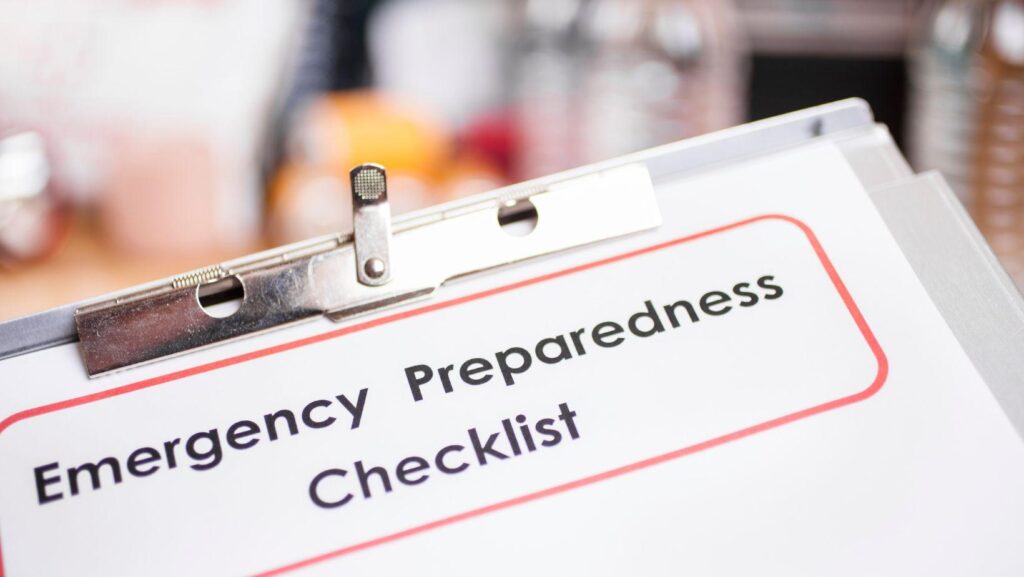
Emergency preparedness is an important responsibility for hospitals, clinics, emergency medical services, and other healthcare organizations. Staff need the knowledge and resources to respond when a patient’s condition suddenly changes. Training is an essential part of this preparation, but organizations should also consider the medical equipment, procedures, and communication systems that support personnel during emergencies.
A strong preparedness strategy considers the entire response process. Healthcare administrators should evaluate likely emergency scenarios, determine what equipment may be appropriate, establish clear procedures, and ensure relevant personnel receive suitable training.
Match Medical Equipment to the Care Environment
There is no single list of emergency equipment that works for every healthcare organization. Hospitals, medical offices, EMS providers, and patient transport services can have significantly different requirements.
Organizations should start by assessing the emergencies their personnel may realistically encounter. They can then determine what training, procedures, and equipment are appropriate for those situations.
Some healthcare environments may require equipment for monitoring patients, while others may need devices that support emergency cardiac care or patient transportation. When researching these categories, organizations can review medical device suppliers such as Stretchers R Us, whose medical-device collection includes equipment and accessories intended for emergency and patient-care environments.
Healthcare organizations should evaluate products according to their own operational requirements, staff capabilities, applicable regulations, manufacturer instructions, and clinical protocols.
Simply purchasing more equipment does not necessarily make an organization better prepared. Equipment should serve a clear purpose and be available to appropriately trained personnel when needed.
Combine Equipment With Staff Training
Medical equipment and staff training should work together.
CPR training, for example, helps appropriate personnel develop skills for responding to cardiac emergencies. Depending on the healthcare environment and applicable requirements, organizations may also have equipment such as AEDs, patient monitors, chest compression systems, suction equipment, or other emergency-care devices.
Staff members expected to operate medical equipment should receive appropriate training. Organizations should follow manufacturer guidance, professional requirements, and internal policies when determining who can use particular devices.
Employees who are not responsible for operating equipment may still need to know where it is located and how to assist during an emergency. A staff member might be responsible for retrieving equipment while another trained professional provides patient care.
Healthcare organizations should also keep relevant professional certifications current. New employees may need emergency-preparedness information during onboarding, while existing personnel may require updated training when procedures or equipment change.
Establish Clear Emergency Procedures
During an emergency, confusion can delay an effective response. Healthcare organizations should establish procedures that clearly explain how staff should react.
An emergency plan might address who contacts emergency services or an internal response team, who retrieves equipment, where supplies are located, and how responsibilities are transferred when additional medical support arrives.
The appropriate process depends on the organization.
A hospital may have specialized internal response teams. A smaller medical office may rely more heavily on local emergency medical services. EMS providers have their own structured procedures for responding to emergencies and caring for patients during transport.
Communication should also be considered. Emergency numbers, room locations, building access information, and internal contacts should be readily available to relevant employees.
Even staff members who do not provide clinical care can play an important role. A receptionist or administrative employee may be the first person to notice someone in distress. Knowing how to activate the organization’s emergency process can help ensure trained personnel are contacted quickly.
Inspect and Maintain Medical Equipment
Purchasing emergency equipment is only the beginning. Healthcare organizations should have procedures for checking its condition and following applicable maintenance requirements.
Requirements differ depending on the device. Battery-powered equipment may require regular battery checks, while certain supplies may have expiration dates that need monitoring.
Accessibility matters as well. Equipment should be stored where appropriate personnel can locate it when needed. Changes to a building, department, or workflow can sometimes make an existing storage location less practical.
Organizations can maintain records covering equipment models, purchase dates, inspections, maintenance, and replacement components. Good recordkeeping can help administrators identify equipment approaching replacement and plan future purchases more effectively.
Equipment should be maintained according to manufacturer guidance and other applicable requirements. The goal is to ensure that resources included in an emergency plan remain available and suitable for their intended purpose.
Make Careful Purchasing Decisions
Medical devices can represent a significant investment, so healthcare organizations should evaluate purchases carefully.
Before purchasing equipment, decision-makers should identify the clinical or operational problem it needs to address. Products can then be compared based on relevant specifications, compatibility, condition, accessories, and maintenance requirements.
Compatibility may be particularly important when an organization already uses related equipment. Batteries, replacement components, mounting systems, and accessories may need to work with existing devices.
Organizations considering refurbished medical equipment should review the available product information and determine whether the equipment meets their requirements. Both new and refurbished equipment can involve additional costs beyond the initial purchase price, including accessories, batteries, replacement parts, and maintenance.
This makes total ownership cost more useful than purchase price alone when comparing options.
Staff input can also improve purchasing decisions. Nurses, paramedics, technicians, and other professionals who regularly use medical equipment may identify practical considerations that procurement teams might otherwise overlook.
Practice and Review Emergency Plans
Written procedures are useful, but drills and simulations can reveal problems that are difficult to identify on paper.
A practice scenario might show that employees do not know where a device is stored or that responsibilities are unclear. Teams may discover communication problems or find that equipment is difficult to access.
These exercises allow organizations to address weaknesses before a real emergency.
After a drill, teams can review what worked and what needs improvement. Findings might lead to updated procedures, relocated equipment, improved signage, or additional staff education.
Preparedness plans should also be reviewed when an organization changes its services, adds new equipment, renovates facilities, or significantly changes staffing.
For example, introducing a new medical device may create new training, inspection, storage, or maintenance requirements. Expanding into a new area of patient care may require additional emergency procedures.
Preparedness should therefore be viewed as an ongoing process rather than a one-time project.
Building a Culture of Preparedness
Emergency readiness becomes more effective when it is incorporated into everyday healthcare operations.
Employees should know how to report equipment problems, unclear procedures, or other preparedness concerns. Administrators can reinforce important information through staff meetings, onboarding, training, and periodic safety reviews.
The objective is familiarity. During a real emergency, personnel are more likely to follow procedures effectively when they have previously encountered them through education and practice.
Equipment, training, communication, and procedures should function as connected parts of the same strategy.
Healthcare organizations that regularly evaluate these areas can identify weaknesses early and make improvements before an urgent situation occurs.
Final Thoughts
Healthcare emergency preparedness requires a combination of trained personnel, suitable medical equipment, clear procedures, communication, maintenance, and regular review.
Every healthcare environment has different needs. Rather than adopting a generic approach, organizations should evaluate the situations their personnel may encounter and build their preparedness strategies accordingly.
By matching equipment to operational requirements, maintaining appropriate staff training, practicing emergency procedures, and regularly reviewing their plans, healthcare organizations can develop a more coordinated approach to handling urgent situations.
Frequently Asked Questions
What medical devices can support emergency preparedness?
The appropriate equipment varies by healthcare environment. Potential categories include patient monitors, AEDs, chest compression systems, suction devices, ventilatory equipment, and other emergency-care devices. Organizations should select equipment based on their particular clinical and operational requirements.
Does medical equipment replace CPR training?
No. Equipment does not replace appropriate professional training. Relevant personnel should have the skills and qualifications necessary for their responsibilities and the devices they are expected to operate.
How often should emergency equipment be inspected?
Inspection and maintenance requirements vary according to the device, manufacturer recommendations, organizational policies, and applicable requirements.
Why should healthcare organizations conduct emergency drills?
Drills can identify weaknesses involving communication, equipment accessibility, staff responsibilities, and emergency procedures. Organizations can use these findings to improve their response plans.
What should organizations consider when purchasing medical devices?
Important considerations include clinical requirements, intended users, product specifications, compatibility, condition, maintenance, accessories, staff training, and total ownership costs.
About The Author

 Accessing Comprehensive Digestive Health Services in Modern Healthcare Networks
  Finding Confidence Through Aesthetic Wellness
  5 SD-WAN Solutions That Support Zero-Touch Network Provisioning
  How Online Marijuana Card Consultations Work in Reston
  From Evidence to Practice: Integrating Alpine Zanubrutinib into CLL Treatment Pathways
  Why Beneficiary Planning Matters for Family Financial Security