
The Smart Patient’s Guide to Diagnostic Imaging: Ultrasound, X-Ray, and What to Expect
Most people only think about medical imaging when a doctor orders a scan. By then, the anxiety has already set in: What will it show? Will it hurt? How reliable is the equipment? These are fair questions, and the answers are more straightforward than you might expect. Understanding the basics of diagnostic imaging before you need it is one of the more practical things you can do for your health.
Ultrasound and X-ray are the two most common imaging tools your doctor will reach for. They work differently, they reveal different things, and knowing which is which helps you walk into an appointment with a clearer head.
Ultrasound: What It Is and When Doctors Use It
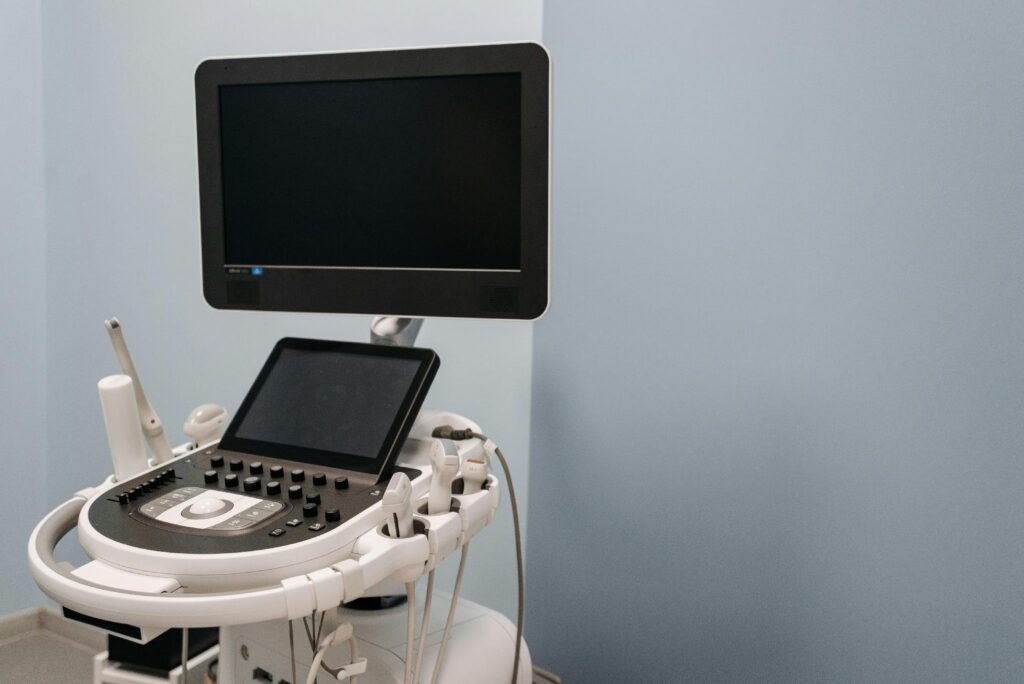
Ultrasound uses high-frequency sound waves to produce real-time images of soft tissue, organs, and blood flow. There is no radiation involved, which is why it is the default choice during pregnancy, but also routine for examining the liver, kidneys, gallbladder, thyroid, and heart. The quality of the scan depends heavily on the equipment being used. Hospitals and clinics that invest in well-maintained refurbished ultrasound machines can deliver the same diagnostic accuracy as brand-new systems, since modern units are built to last well beyond their first placement and are thoroughly tested before re-entering clinical use.
From a patient’s perspective, the procedure is painless. A gel is applied to your skin, a transducer is pressed against the area being examined, and images appear on screen in seconds. Most scans take between 20 and 45 minutes, depending on the area. You may be asked to fast beforehand if the scan involves abdominal organs, since food can interfere with image clarity.
How to Prepare for an Ultrasound
Check with your clinic about fasting requirements at least 24 hours before your appointment. For pelvic ultrasounds, you will often be asked to arrive with a full bladder, as the fluid helps create clearer images. Wear loose, comfortable clothing and leave jewelry at home. If you are anxious about the procedure, it helps to know that the gel may feel cold, but the scan itself is completely non-invasive.
X-Ray: Bones, Lungs, and Beyond
X-rays use low doses of ionizing radiation to capture images of dense structures inside the body. Bones, joints, and the lungs are the most common targets, but X-rays also play a role in detecting pneumonia, certain heart conditions, and foreign objects. Consult with Orion Ortho today to know in detail about it. The procedure takes only a few minutes, and the exposure level in a standard chest or limb X-ray is minimal. Facilities sourcing used x ray equipment from reputable suppliers go through quality assurance testing that verifies both image output and radiation safety standards before the equipment is cleared for patient use.
Preparation is minimal for most X-rays. You will be asked to remove metal objects, and depending on the area being scanned, you may need to change into a gown. Pregnant patients should always inform the radiographer beforehand, as the abdomen will need to be shielded.
Reading Your Results
Results from both modalities are interpreted by a radiologist and shared with your referring doctor, who will walk you through the findings. If you want to understand your report before that conversation, the RadiologyInfo.org patient guide published by the Radiological Society of North America offers plain-language explanations of common imaging findings and what different scan types can and cannot detect.
Questions Worth Asking Before Your Scan
A good imaging experience starts with a brief conversation with your healthcare provider. Ask why this specific modality was chosen over others, whether any follow-up imaging might be needed, and how long results typically take at that facility. If cost is a concern, it is also worth asking whether the clinic works with partner suppliers for their equipment. Agito Medical, for instance, has been connecting healthcare facilities with quality pre-owned imaging systems since 2004, which is part of why refurbished equipment has become a credible and accessible option for clinics that want to offer reliable diagnostics without the capital outlay of brand-new machines.
Diagnostic imaging is not something to dread. The more you know about what to expect, the calmer the experience tends to be. Suppliers like Agito Medical have helped normalize the idea that a refurbished system, properly tested and calibrated, performs on par with new equipment, which means patients at smaller or budget-conscious clinics are not receiving a lesser standard of care. Understanding that scan quality is tied to the condition and calibration of the equipment, rather than simply its age or price tag, goes a long way toward trusting the process.
About The Author

 Mindful Screen Time: Establishing Healthier Boundaries with Technology
  What Makes Online Slot Features Feel Natural Instead of Confusing?
  Accessing Comprehensive Digestive Health Services in Modern Healthcare Networks
  Finding Confidence Through Aesthetic Wellness
  5 SD-WAN Solutions That Support Zero-Touch Network Provisioning
  How Online Marijuana Card Consultations Work in Reston