
Are the Benefits of Coconut Water Overstated?
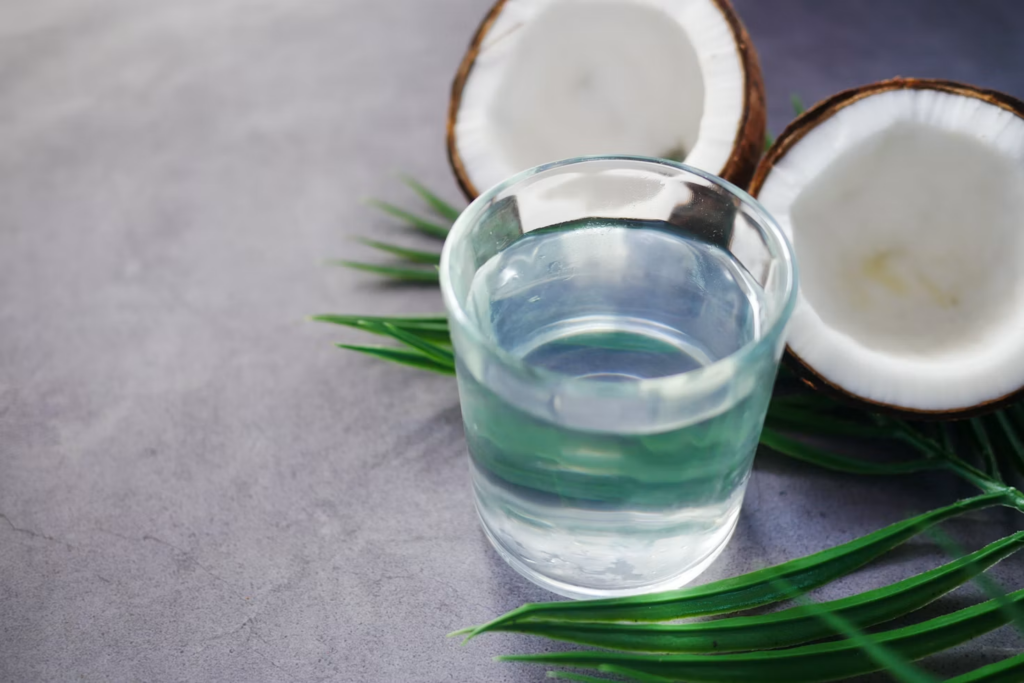
Coconut water has received plenty of hype on social media. Some athletes swear by it; others stick to commercial big-brand sports drinks with less natural sources of glucose and fructose. Is it really that high in electrolytes, and does it have benefits other than helping sportspeople and athletes?
Electrolytes and prolonged exercise
While it’s not true that everyone who exercises needs to chug electrolyte mixes or sports drinks, extra electrolytes are useful in certain circumstances. Those undergoing prolonged exercise and losing more electrolytes through heavy lifting or intense cardio may find that coconut water is a good remedy. A 2025 controlled studyTrusted Source, as reported by Healthline, found coconut water to be equally rehydrating after moderate-to-high intensity workouts as a commercial sports drink with carbohydrates and electrolytes.
This was despite coconut water being lower in sodium. Other important electrolytes include potassium, magnesium, and calcium. Coconut water is particularly high in the former two minerals. One cup (245g) has 404mg potassium (per USDA data). For context, a medium banana (often touted for its potassium content) contains 422mg. is Coconut water is also a modest source of calcium.
Further research supports coconut’s potential for helping athletes. A 2025 study was designed to test post-exercise recovery, and researchers found that a blend of water and coconut flesh improved recovery markers.
If anyone is particularly concerned with their electrolyte balance, they should speak to a health professional. Nowadays, patients might find that a medical scribe takes notes during their appointment so that the doctor’s full attention can be on listening to the patient’s concerns and giving advice.
Coconut water may help with heart health
While larger human trials are needed to support early findings, a 2026 review found that coconut water may have cardioprotective effects. These were attributed to its antioxidants. Researchers suggested that coconut water may improve hypertension and metabolic disorders, and also help in preventing cardiovascular disease.
Previously, another review concluded that coconut products (including coconut water) showed cardioprotective effects, with its polyphenols and antioxidants potentially reducing oxidative stress in heart tissue.
Adds extra fiber
For those struggling with getting enough fiber in their diet, coconut water could be a good way of boosting that number. A cup has around 2.7 grams. Guidelines in the US are generally that men should consume 38 grams per day and women 25 grams per day. High-fiber foods include lentils (15.5g), raspberries (8 grams per cup), boiled green peas (9g per cup), cooked quinoa (5g), and boiled broccoli (5g).
For a more extensive summary of coconut water’s science-backed benefits, read Healthline’s medically reviewed article.
It’s tasty
A less researched, but still valid, benefit is that coconut water simply tastes good. If you find a natural source, it will be slightly sweet with a subtle coconut flavor. It isn’t particularly high in carbs or fructose for those watching their intake of either: 100ml has around 4.5 carbohydrates (4g sugars). So a 330ml portion (a typical single serving carton) has less than 15g carbs.
Natural sources of coconut water are taken out of the fruits but often in packages for extended periods. If you want to try it freshest, you could buy coconuts and take the water out yourself.
If you’re buying it pre-packaged, read the ingredients. Some brands add sneaky additional ingredients like extra fructose or other sugars, as well as artificial flavorings in some cases.
If you want to experience its benefits but aren’t too keen on its taste, coconut water can be used in smoothies or chia puddings.
For those who do enjoy the taste, a few sips mid- or post-workout may be perfect.
About The Author

 Building a Stronger Emergency Preparedness Plan for Healthcare Environments
  Mimosa Hostilis Root Bark 1kg: Everything You Need to Know Before Buying
  Almond Protein Powder: A Versatile Ingredient for Modern Food Innovation
  How Modern Research Standards Are Improving Laboratory Outcomes
  Spatial Gene Expression: Why Knowing Where Genes Are Active Matters as Much as
Knowing Which Ones
Spatial Gene Expression: Why Knowing Where Genes Are Active Matters as Much as
Knowing Which Ones  Asbestos Exposure Risks by Industry