
How Sleeping Position Quietly Determines Whether Lower Back Pain Improves or Worsens Overnight

Lower back pain is one of the most common health complaints in adult populations. The clinical literature catalogued through the National Library of Medicine consistently places it among the top three reasons for primary care consultation in adult medicine, and the overwhelming majority of cases are mechanical rather than pathological. Mechanical back pain responds to mechanical interventions, and one of the most consistently overlooked mechanical interventions is the position the patient sleeps in for seven to nine hours every night.
The mechanics of sleep position and lumbar load are well understood. The lumbar spine has a natural inward curve, and any sustained position that flattens, exaggerates or twists that curve places mechanical stress on the discs, facet joints, paraspinal muscles and ligaments. A flattened lumbar curve produces stress on the posterior ligaments. An exaggerated lumbar curve produces stress on the facet joints. A twisted alignment produces stress on the disc annulus. Eight hours in any one of these positions multiplies the daytime mechanical load by a factor that the body usually cannot fully recover from before the next night begins.
The detailed analysis at recommended position to sleep for lower back pain addresses the position-by-position picture. Side sleeping, with a pillow placed between the knees to maintain hip alignment, is the position most clinicians recommend for general lower back complaints. Back sleeping, with a pillow under the knees to reduce the lumbar arch, is appropriate for patients whose pain worsens in flexion. Stomach sleeping is the position most consistently associated with lower back pain progression, because it forces the lumbar spine into hyperextension and rotates the cervical spine sideways for the entire night.
The mattress component of the picture matters but is often overemphasised relative to position. A correctly chosen sleep position on a mediocre mattress typically outperforms an incorrect sleep position on a premium one. The combination of correct position plus appropriate mattress support is the configuration that produces the best clinical outcomes, but if the patient is going to address only one variable, position is the higher-leverage one.
The behavioural change is harder than the mechanical reasoning suggests. Adults sleep in the position they have slept in for decades, and conscious change of position requires repeated reinforcement over weeks before the new position becomes automatic. Pillow placement is the most reliable lever. A pillow between the knees enforces side-sleeping alignment. A pillow under the knees enforces back-sleeping alignment with reduced lumbar load. Removing pillows from above the head while stomach sleeping makes the position uncomfortable enough that most patients abandon it within a week.
The clinical implication is that lower back pain management should include a sleep position assessment as part of the standard workup. The intervention is free, the evidence base is strong, and the magnitude of effect on chronic mechanical pain is comparable to what most over-the-counter analgesics achieve. For patients managing lower back symptoms without dramatic improvement from physiotherapy or medication alone, the night-time mechanical load is often the variable that has not been addressed.
FAQ
What sleep position is generally considered best for lower back pain? Side sleeping with a pillow between the knees is the position most commonly recommended for general lower back symptoms.
Is stomach sleeping always harmful for the back? For patients with lower back pain, stomach sleeping is the position most consistently associated with symptom progression and is generally advised against.
How long does it take to change sleep position? Most adults need three to six weeks of consistent reinforcement before a new sleep position becomes automatic.
Does the mattress matter more than the position? Position is generally the higher-leverage variable. Mattress support compounds the effect once position is correct.
About The Author

 Building a Stronger Emergency Preparedness Plan for Healthcare Environments
 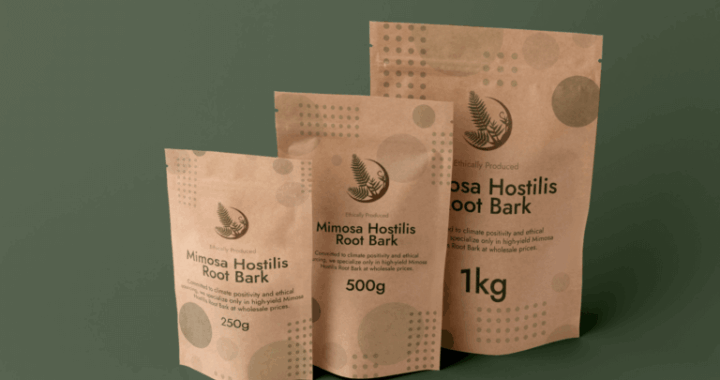 Mimosa Hostilis Root Bark 1kg: Everything You Need to Know Before Buying
 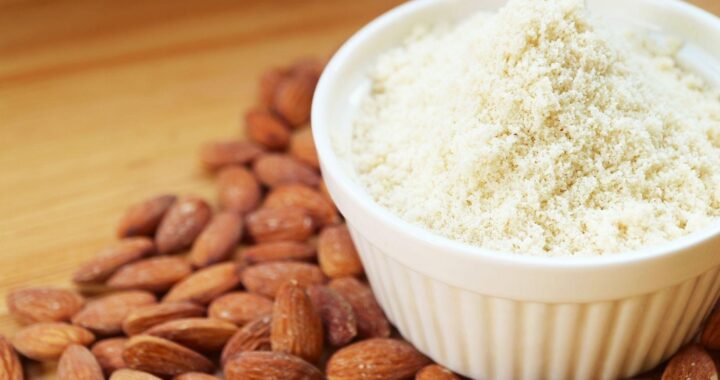 Almond Protein Powder: A Versatile Ingredient for Modern Food Innovation
  How Modern Research Standards Are Improving Laboratory Outcomes
  Spatial Gene Expression: Why Knowing Where Genes Are Active Matters as Much as
Knowing Which Ones
Spatial Gene Expression: Why Knowing Where Genes Are Active Matters as Much as
Knowing Which Ones  Asbestos Exposure Risks by Industry