
How Millennials and Gen Z View Personal Time: Redefining Success Through Self-Care
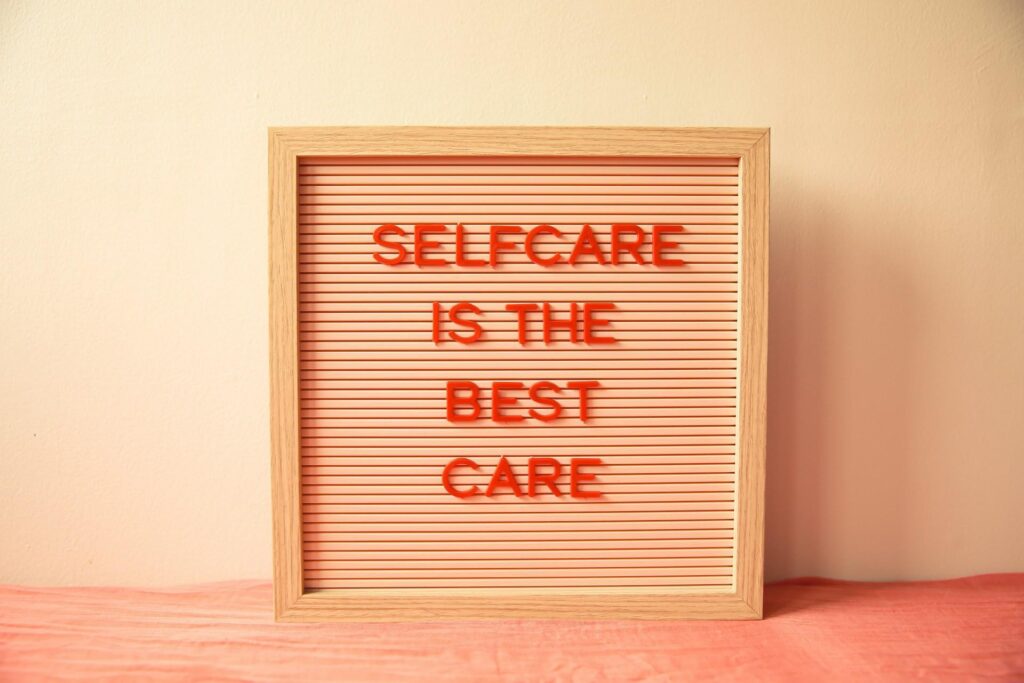
In today’s fast-paced digital world, the concept of “me time” has become more important than ever. While previous generations often viewed personal time as a luxury that came after work and family responsibilities, Millennials and Generation Z see it differently. For these younger generations, personal time is not simply about relaxation—it is an essential part of maintaining mental health, building meaningful relationships, improving productivity, and creating a balanced life.
Although Millennials (born approximately between 1981 and 1996) and Gen Z (born between 1997 and 2012) have unique experiences and perspectives, they share a common belief: taking time for oneself is a necessity rather than an indulgence.
The Shift Away from the “Always Busy” Culture
For decades, success was often associated with long working hours, constant availability, and sacrificing personal life for career advancement. Many Millennials grew up watching their parents dedicate most of their time to work, often believing that hard work alone guaranteed stability and success.
However, economic uncertainty, rising living costs, and changing workplace expectations challenged that belief. Millennials entered adulthood during financial crises and witnessed burnout becoming increasingly commounwn. As a result, many began questioning whether endless work was worth sacrificing personal happiness.
Gen Z has taken this shift even further. Rather than glorifying being busy, many young adults openly reject hustle culture. They value flexibility, meaningful work, and employers who respect work-life balance. Instead of measuring success by hours spent working, they often define it by overall well-being and life satisfaction.
Mental Health Comes First
One of the biggest differences between younger generations and those before them is the openness surrounding mental health.
Millennials helped normalize conversations about stress, anxiety, therapy, and burnout. Gen Z has continued this trend by speaking even more openly about emotional well-being on social media and in everyday conversations.
For both generations, personal time is closely connected to mental health. Spending time alone allows individuals to recharge emotionally, reduce stress, and process their thoughts. Activities such as reading, meditation, journaling, exercising, or simply disconnecting from technology are increasingly viewed as healthy habits rather than signs of laziness.
Many younger adults recognize that constantly being productive can eventually reduce creativity, motivation, and overall happiness. Taking breaks is no longer considered a weakness but an investment in long-term health.
Digital Lives Create New Challenges
Ironically, while technology offers endless entertainment and opportunities for connection, it also makes genuine personal time more difficult to achieve.
Millennials witnessed the rise of smartphones and social media during adulthood, while Gen Z has grown up in an always-connected world. Notifications, messages, emails, and endless scrolling compete for attention throughout the day.
Because of this constant connectivity, many people from both generations intentionally create digital boundaries. They may schedule screen-free evenings, limit social media use, disable work notifications after office hours, or dedicate time to hobbies that do not involve screens.
For many Millennials and Gen Z individuals, true personal time means being disconnected from digital demands rather than simply being physically alone.
Self-Care Beyond Trends
The term “self-care” has become incredibly popular over the last decade. While it is often associated with skincare routines, spa treatments, or wellness products, younger generations increasingly understand that authentic self-care goes much deeper.
For Millennials and Gen Z, self-care includes setting healthy boundaries, saying no to unnecessary commitments, getting enough sleep, maintaining healthy relationships, and seeking professional support when needed.
Many also recognize that self-care is not always enjoyable in the moment. Going to therapy, managing finances responsibly, exercising regularly, or limiting social media use may require discipline, but these habits contribute to long-term well-being.
This broader understanding reflects a more mature and sustainable approach to personal time.
Experiences Over Material Possessions
Another defining characteristic of Millennials and Gen Z is their preference for experiences rather than possessions.
Instead of measuring success solely by expensive homes or luxury items, many prioritize travel, hobbies, concerts, learning new skills, or spending quality time with friends and family. Personal preferences also vary widely, with some choosing lifestyle accessories or consumer products that reflect their tastes, such as the Geek Bar Clio Platinum, alongside other everyday items they enjoy using.
Personal time often revolves around creating meaningful experiences that contribute to personal growth and lasting memories.
This shift reflects changing values. Rather than constantly pursuing material achievements, many younger adults seek fulfillment through balance, creativity, and authentic connections.
Work-Life Balance Is Becoming a Priority
The workplace has undergone significant changes over the past several years, especially following the global pandemic.
Remote work, hybrid schedules, and flexible hours have transformed expectations about how work fits into everyday life. Millennials largely welcomed these changes because they allow more time for family, exercise, hobbies, and personal development.
Gen Z has entered the workforce with even stronger expectations regarding flexibility. Many are willing to change employers if their personal lives are consistently compromised by work demands.
This does not mean younger generations are unwilling to work hard. Instead, they believe productivity should be measured by results rather than hours spent at a desk. They increasingly value companies that support employee well-being through flexible schedules, mental health resources, and generous vacation policies.
Alone Time Is Not Loneliness
One misconception about personal time is that spending time alone automatically means being lonely.
Millennials and Gen Z generally reject this idea. They understand that solitude can be healthy and restorative when chosen intentionally.
Many enjoy solo travel, independent hobbies, reading, walking, cooking, or simply relaxing without social obligations. These activities allow individuals to reconnect with themselves and better appreciate social interactions later.
At the same time, younger generations recognize the importance of community. Personal time is viewed as something that complements relationships rather than replaces them.
Financial Pressures Still Affect Personal Time
Despite valuing work-life balance, Millennials and Gen Z often face significant financial pressures.
High housing costs, student loans, inflation, and uncertain job markets can make it difficult to fully enjoy personal time. Many people work multiple jobs, freelance projects, or side businesses to achieve financial stability.
As a result, finding time for oneself often requires careful planning and intentional decision-making.
Even so, surveys consistently suggest that younger generations remain committed to protecting at least some personal time because they recognize its positive impact on mental health and overall life satisfaction.
Looking Ahead
As Millennials continue advancing in their careers and Gen Z establishes itself in the workforce, attitudes toward personal time are likely to influence workplaces, education, and society as a whole.
Organizations are increasingly recognizing that employees who have opportunities to rest, recharge, and maintain healthy boundaries tend to be more engaged, creative, and productive.
Rather than viewing personal time as an obstacle to success, Millennials and Gen Z see it as one of its foundations. They believe that achieving professional goals should not come at the expense of physical health, emotional well-being, or meaningful relationships.
Ultimately, these generations are redefining what it means to live a successful life. Instead of celebrating constant busyness, they encourage a more balanced approach—one that values rest, personal growth, and authentic happiness alongside ambition and achievement. In doing so, they are reshaping modern attitudes toward work, wellness, and the importance of making time for oneself.
About The Author

 Helpinus.net Self-Care: Simple Daily Routines For Busy People (2026 Guide)
  Haldinusbet: The AI Emotional Support Tamagotchi You’ll Actually Connect With In 2026
  Ageless Allure: 4 Practical Elegance Techniques To Look And Feel Timeless
  Why A Spa Gift Is The Perfect Present: Thoughtful Ideas And How To Choose In 2026
  Helpinus Contours & Confidence: How To Sculpt Your Look And Boost Self-Esteem In 2026
  Restorative Face & Body Enhancement: Practical Techniques With Helpinus (2026 Guide)