
How Age Affects Cosmetic Dentistry Treatment Choices: Tailoring Restorations and Aesthetics for Every Life Stage
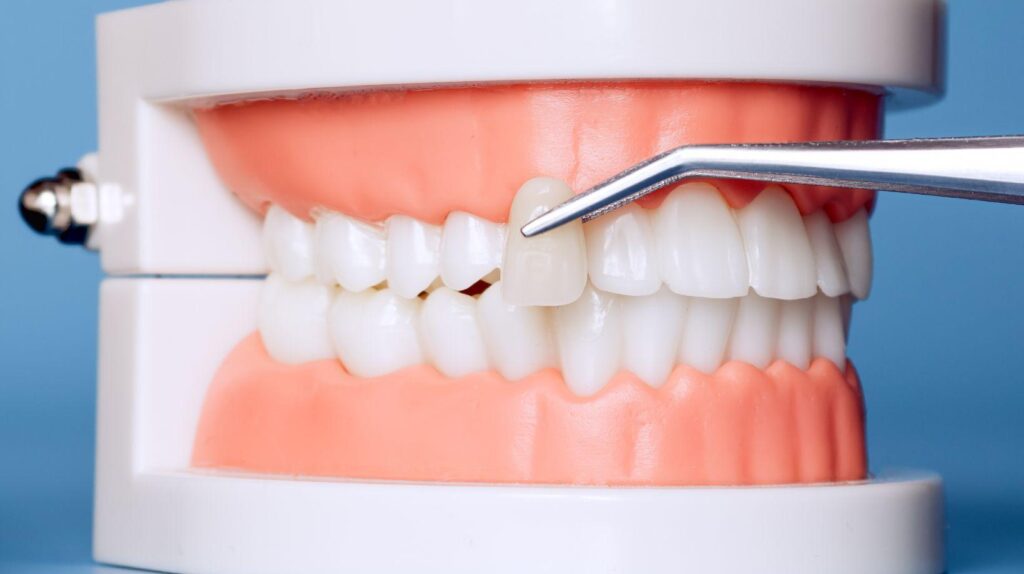
Your cosmetic options depend less on age alone and more on how your teeth, gums, bite, and goals have changed over time. You’ll find that younger mouths often need conservative, removable or minimally invasive fixes, while middle-aged and older adults may require restorative work combined with cosmetic improvements to address wear, past dental work, and gum health.
As you move through life, priorities shift from quick brightening and alignment to durability, function, and maintenance. A cosmetic dentist in Mauston, WI can help you match treatments to your current dental health, likely outcomes, and what to expect from consultation and long-term care.
Dental Health Variations Across Age Groups
Different life stages bring distinct dental priorities: growth and habit correction in youth, restorative and aesthetic balance in adulthood, and preservation of function and comfort in later years.
Common Oral Issues in Children and Teens
You’ll commonly see dental caries and enamel defects in children due to immature brushing habits and frequent exposure to sugary snacks and drinks. Fluoride varnish, sealants, and parent-supervised brushing reduce decay risk and protect erupting permanent molars.
Orthodontic concerns — crowding, spacing, and bite problems — emerge as jaws grow. Early evaluation (around age 7) lets your dentist recommend interceptive measures like space maintainers or timely braces.
Behavioral factors matter: thumb sucking, tongue thrusting, and sports without mouthguards increase risks. You should prioritize preventive visits, habit counseling, and timely orthodontic assessment to set a foundation for lifelong oral health.
Shifting Needs During Adulthood
In your 20s–40s, cosmetic priorities often center on whitening, minor reshaping, and orthodontics for alignment. Conservative veneer or bonding options work well if you have healthy gums and sufficient enamel.
By your 40s–50s you may contend with wear, existing restorations, and gum recession. Whitening won’t change the color of crowns or older fillings, so coordinate shade-matching or replace restorations when planning esthetic work.
Occlusal evaluation matters if grinding has worn teeth down. You also face increased need for restorative care: new crowns, onlays, or implant placement if you lose a tooth.
Discuss long-term maintenance, periodontal health, and treatment sequencing so your cosmetic goals align with structural needs.
Age-Related Dental Concerns in Seniors
As you enter your 60s and beyond, tooth loss, root caries, dry mouth from medications, and reduced bone density become primary concerns. These factors influence whether implants, fixed bridges, or removable prostheses are appropriate.
Gum recession and gingival inflammation expose root surfaces and change tooth proportions; conservative cosmetic options may include composite bonding or veneers where feasible. If you use dentures, esthetic adjustments often involve occlusion checks and reline or remake to restore facial support.
Medical history and healing capacity affect surgical choices. Your dentist will evaluate systemic conditions, medication-induced xerostomia, and bone quality before recommending implants or extensive restorative work.
Treatment Eligibility and Suitability
Your age influences which procedures are safe, effective, and likely to last. Consider tooth and jaw development, medical history, and the condition of bone and gum tissues when weighing options.
Physical Maturity and Tooth Development
You should avoid most permanent cosmetic treatments before dental and facial growth finishes. For girls this often occurs around 16–17 and for boys around 17–19, though individual variation matters.
Permanent veneers, crowns, and implant placement rely on a stable bite and jaw position. If growth continues after treatment, restorations can end up misaligned or require replacement.
Orthodontic work such as clear aligners or braces is commonly started earlier because it can guide development. If you’re a teen, temporary cosmetic changes (bonding, whitening) are usually preferable to irreversible procedures.
Always get a growth assessment — X-rays and bite records — before moving to permanent restorations.
Medical Considerations and Contraindications
You need an up-to-date medical history to confirm eligibility. Conditions like uncontrolled diabetes, active cancer treatment, certain bleeding disorders, or immunosuppression can increase risks for infection, poor healing, or implant failure.
Medications such as bisphosphonates or anticoagulants require planning; they can alter bone healing or raise bleeding risk. Share all prescriptions, supplements, and recent surgeries with your dentist.
They will coordinate with your physician when necessary and may recommend delays, alternative materials, or prophylactic measures (antibiotics, adjusted surgical technique) to reduce risk. Routine blood pressure and glucose checks may be required prior to surgeries or implant placement.
Bone Loss and Gum Recession Impact
If you have significant bone loss or receded gums, options narrow and require preparatory work. Dental implants need sufficient bone volume and density; otherwise you may need grafting or sinus lift procedures first.
Gum recession affects aesthetics and the feasibility of veneers or crowns because margins may expose root surfaces or create sensitivity. Your dentist will evaluate bone via radiographs or CBCT scans and measure pocket depths.
Treating active periodontitis is mandatory before cosmetic work. When grafting or periodontal therapy is successful, you regain more restorative choices and improve long-term outcomes for crowns, implants, and veneer margins.
Aesthetic Priorities and Expectations by Age
You want treatments that match your life stage, oral health, and how much maintenance you’re willing to commit to. Priorities shift from cosmetic immediacy and low cost in younger years to longevity, function, and stain resistance as you age.
Preferences in Younger Patients
You likely prioritize quick, minimally invasive fixes that improve appearance with low upfront cost. Common choices include in-office whitening, clear aligners for mild crowding, composite bonding for small chips, and conservative porcelain veneers when alignment and color issues persist.
You value speed and a natural look that doesn’t require heavy maintenance. Treatments that preserve enamel, like tooth-colored bonding or aligner-guided orthodontics, appeal because they keep future options open.
Budget and social factors matter. You may prefer procedures that fit a tight budget or can be staged over time.
You also expect digital tools—photos, mock-ups, and apps—to preview results before committing.
Evolving Cosmetic Goals in Middle Age
You focus on restoring wear and correcting changes from years of function, diet, and dental work. Crown replacements, porcelain veneers for worn or discolored teeth, and implant restorations for missing teeth become common.
You want durable materials that resist staining and match adjacent teeth precisely. You’re often balancing aesthetics with function—bite correction, eliminating sensitivity, and maintaining periodontal health are part of the plan.
Treatments that combine cosmetic and structural repair, such as crowns or veneers over teeth with existing large fillings, are typical choices. Longer-term planning matters more now.
You weigh cost-per-year, expected lifespan of restorations, and potential need for future maintenance like nightguards or periodic polishing.
Desired Outcomes in Older Adults
You seek predictable, low-maintenance solutions that restore comfort, chewing efficiency, and a natural appearance. Full-arch implant-supported prostheses, durable zirconia crowns, and well-fitting removable dentures or overdentures address missing teeth and bone loss.
You care about materials that resist fracture and staining, plus occlusal stability to prevent further wear. Minimally invasive periodontal therapy and management of dry mouth often accompany aesthetic plans.
Practical considerations influence choices: fewer appointments, simplified maintenance, and restorations that accommodate existing restorations or limited bone. You often accept slightly more conservative esthetics in exchange for reliability and comfort.
Procedure Options and Limitations
You’ll encounter trade-offs between durability, invasiveness, and future flexibility when choosing cosmetic dental procedures. Age, existing tooth structure, and long-term maintenance needs will drive which treatments are realistic and advisable for you.
Orthodontics and Age Factors
If your jaw growth is complete (typically late teens), you can still undergo comprehensive tooth movement with braces or clear aligners; treatment time may be slightly longer than for teenagers. Adults often present with previous restorations, missing teeth, or bone loss that can require combined care—gum therapy, implants, or restorations—before or during orthodontic work.
Clear aligners suit many adults because they’re removable and less visible. Fixed braces remain preferable for complex rotations or severe bite issues.
Expect pre-treatment imaging and possibly interproximal reduction or extractions to create space. Healing and bone remodeling slow with age, so realistic timelines and retention plans matter more for you now than they would in youth.
Veneers Versus Bonding
Veneers require removing a thin layer of enamel and commit you to long-term maintenance and eventual replacement—important if you’re in your 20s and want to avoid decades of repeat care. Porcelain veneers last longer (often 10–15+ years) and resist staining, while composite bonding is more conservative, repairs easily, and costs less upfront.
If you have worn, heavily restored, or discolored teeth from decades of wear, veneers may offer a more predictable esthetic result. For minor chips, small gaps, or temporary improvements—especially when you want to preserve enamel—bonding often makes more sense.
Discuss expected lifespan, repairability, and how future restorative needs (crowns, root canals) might change your plan.
Implants and Dentures for Different Life Stages
Dental implants provide fixed replacement but require sufficient jawbone and healthy gums; bone grafting can extend options for older patients who’ve experienced resorption. If you’re young and lose a tooth, planning is crucial: place implants after facial growth stabilizes to avoid alignment issues later.
Removable dentures remain practical for extensive tooth loss or when medical conditions contraindicate surgery. Implant-supported dentures combine stability with fewer dietary restrictions but involve surgery and higher cost.
Evaluate bone volume, medical history (e.g., uncontrolled diabetes or smoking), and long-term maintenance responsibilities when you choose between implants, implant‑retained prostheses, or conventional dentures.
Longevity and Maintenance of Cosmetic Treatments
Different treatments last different amounts of time depending on your age, oral health, and habits. Maintenance needs change as you age, so plan frequency of check-ups and likely replacement timelines accordingly.
Lifespan of Restorations by Age Group
- Young adults (18–35): Composite bonding and whitening respond well but are more prone to staining and chipping if you grind or smoke. Expect bonding to need touch-ups every 5–10 years; whiteners may require retreatment annually or biannually.
- Middle-aged adults (35–60): Porcelain veneers and crowns offer durable aesthetics. With good hygiene and no heavy occlusal forces, veneers/crowns commonly last 10–15 years; implants often exceed 20 years.
- Older adults (60+): Diminished enamel and root exposure increase risk of decay around restorations. Crowns and bridges may last 8–12 years depending on bone support and medical conditions like dry mouth.
You should discuss realistic timelines with your dentist based on bite forces, bruxism, and the materials chosen.
Preventive Strategies for Different Ages
- For young adults: Prioritize nightly occlusal guards if you grind, use a soft-bristled brush, and avoid staining agents. Schedule cleaning every 6 months and ask about fluoride varnish if enamel is thin.
- For middle-aged adults: Maintain periodontal care to prevent recession. Replace worn restorations before they fail; have occlusion checked annually.
- For older adults: Manage dry mouth with saliva substitutes and review medications with your physician. Increase professional visits to every 3–4 months if you have root exposure or implants.
Across all ages, keep records of materials used, take photos for monitoring, and follow a personalized maintenance plan with your dental team.
Psychological Perspectives and Patient Motivation
You will see that self-worth and social feedback shape interest in cosmetic procedures, while practical concerns like cost, pain, and information sources guide final choices.
Self-Esteem and Social Perceptions
Your self-esteem often drives whether you seek cosmetic dental work. If you feel anxious about how your smile affects first impressions at work or dating, you’re more likely to pursue treatments that visibly change appearance, such as veneers or whitening.
Younger patients frequently report appearance-related social pressure from peers and social media; this raises demand for quick, high-impact options. Older adults may seek improvements linked to confidence after life changes (retirement, divorce) and prefer discreet, durable solutions like crowns or implants.
Consider psychological screening when you show signs of body-image disturbance or unrealistic expectations. Addressing self-esteem in consultations helps match treatment goals to your emotional needs and reduces the risk of dissatisfaction.
Decision-Making Influences
Your treatment decisions hinge on a mix of personal values and practical considerations. Key factors you weigh include cost, recovery time, expected longevity of results, and perceived discomfort.
Information sources shape choices: endorsements from friends or social media can push you toward trending procedures, while detailed consultations, before-and-after photos, and validated questionnaires (e.g., PIDAQ-style assessments) foster informed consent.
Demographics matter: women and older patients statistically show greater willingness for elective esthetic work, while younger patients prioritize minimally invasive, immediate-results options. You should balance aesthetic desires with oral health needs and realistic timelines when deciding.
Consultation and Personalized Planning
Your consultation starts with a focused review of medical, dental, and lifestyle factors that influence treatment choice. Expect questions about medical history, oral habits, and what you want to achieve so the plan fits your life and health.
The dentist will perform a clinical exam and often take images—X-rays, photos, or 3D scans—to map tooth structure, gum health, and jaw relationships. These records reveal constraints such as existing restorations or bone loss that affect longevity.
You and your dentist will discuss aesthetic goals and practical limits. For example, whitening may not change crowns or old fillings.
Veneers require healthy enamel and realistic shade targets. Treatment sequencing gets tailored to your age and oral condition.
Younger patients may start with minimally invasive options. Older patients often need restorative work coordinated with cosmetic goals to ensure function and durability.
Use this checklist to prepare for the visit:
- Bring a list of priorities and budget range.
- Note past dental work and any sensitivity or bite issues.
- Prepare questions about recovery, maintenance, and expected lifespan of treatments.
Ask for visual mock-ups or digital simulations so you can see likely outcomes before committing.
About The Author

 Helpinus.net Self-Care: Simple Daily Routines For Busy People (2026 Guide)
  Haldinusbet: The AI Emotional Support Tamagotchi You’ll Actually Connect With In 2026
  Ageless Allure: 4 Practical Elegance Techniques To Look And Feel Timeless
  Why A Spa Gift Is The Perfect Present: Thoughtful Ideas And How To Choose In 2026
  Helpinus Contours & Confidence: How To Sculpt Your Look And Boost Self-Esteem In 2026
  Restorative Face & Body Enhancement: Practical Techniques With Helpinus (2026 Guide)