
Crowns for Severely Worn or Discolored Teeth: Restorative Options, Benefits, and What to Expect
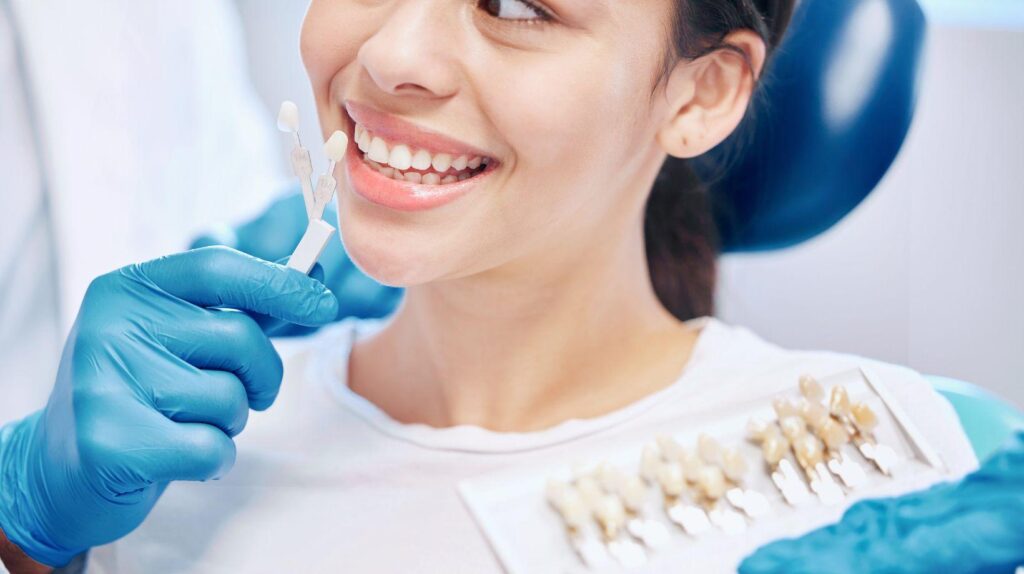
If your teeth look worn, uneven, or darkened, a dental crown in Salt Lake City can restore strength and appearance while protecting what remains of your natural tooth. Crowns cover and reinforce severely worn or discolored teeth, returning function and a natural look so you can eat, speak, and smile with confidence.
This article will walk you through how dentists evaluate wear and discoloration. You’ll learn what the crown procedure involves and how crowns compare with other options so you can decide what fits your goals, budget, and long-term oral health.
Expect clear guidance on materials, care, risks, costs, and what to expect from the patient experience and outcomes.
Understanding Dental Crowns
Dental crowns restore tooth shape, strength, and color while covering the entire visible portion of a damaged tooth. They repair function for chewing, protect weakened tooth structure, and can match surrounding teeth for a natural appearance.
What Are Dental Crowns?
A dental crown is a custom-made cap that fits over an entire tooth down to the gumline. Your dentist trims damaged or decayed tooth structure and takes impressions or digital scans so the crown fits precisely and aligns with your bite.
Crowns can be placed after root canal treatment, to finish a dental implant, or when a large filling would leave too little natural tooth. Crowns vary in how much natural tooth they replace; some preserve more tooth structure than others.
Expect two main clinical steps: tooth preparation and crown placement. Same-day CAD/CAM crowns let you get a final restoration in a single visit.
Types of Crown Materials
Common crown materials include porcelain-fused-to-metal (PFM), all-ceramic/porcelain, full metal (gold or alloys), and zirconia.
- Porcelain-fused-to-metal: offers a good balance of strength and aesthetics but may show a thin metal line at the gum with receding gums.
- All-ceramic/porcelain: provides the best color match for front teeth and is metal-free, but certain ceramics can fracture under heavy bite forces.
- Full metal (gold/alloys): extremely durable for back teeth; minimal risk of fracture but not tooth-colored.
- Zirconia: highly durable and tooth-colored; suitable for posterior crowns and bridges where strength and aesthetics both matter.
Your dentist will consider tooth location, bite forces, aesthetic goals, and any metal allergies when recommending a material.
How Crowns Protect Teeth
Crowns shield compromised tooth structure from further wear, fracture, and decay by distributing biting forces across the restored surface. When a tooth is worn down—by grinding, acid erosion, or previous restorations—a crown restores proper height and cusp anatomy so you can chew without stressing remaining tooth tissue.
Crowns also seal and protect teeth after root canal therapy, preventing bacterial contamination of the treated canal. For teeth supporting bridges or implants, crowns provide the necessary shape and strength to restore function and appearance.
With proper oral hygiene and routine dental visits, crowns commonly last 5–15 years or longer depending on material and care.
Causes and Assessment of Severe Wear and Discoloration
You will encounter mechanical, chemical, and biological causes that reduce tooth structure and change color. A focused history, oral exam, and targeted tests identify the driving factors and whether crowns are an appropriate restorative option.
Common Reasons for Tooth Wear
Bruxism (nighttime clenching or grinding) produces attrition that flattens cusps and shortens clinical crown height. Ask about sleep grinding, jaw pain, and partner reports; wear facets that match opposing teeth support this diagnosis.
Acid erosion from gastroesophageal reflux or frequent acidic drinks thins enamel and softens dentin. Look for smooth, cupped surfaces on palatal and occlusal areas and ask about heartburn, dietary acids, or chronic vomiting.
Abrasion from aggressive brushing or abrasive toothpaste creates V-shaped cervical notches. Inspect cervical areas and review brushing technique and hygiene products.
Abfraction lesions from occlusal overload show wedge-shaped cervical defects and may coexist with abrasion or erosion. Palpate for mobility and evaluate occlusal contacts to determine contribution to progressive loss.
Major Factors Behind Tooth Discoloration
Intrinsic staining arises from antibiotic exposure (e.g., tetracycline), fluoride during development, or pulpal necrosis. Colors vary from gray-brown to yellow and often do not respond to bleaching.
Extrinsic stains come from surface deposition of tobacco, coffee, tea, red wine, or chlorhexidine. These often respond to professional prophylaxis and polishing but may persist where enamel is rough or worn.
Age-related discoloration results from gradual enamel thinning and dentin darkening; the tooth appears more yellow or brown. Wear and restorative margins also accentuate staining at margins and interproximal areas.
Restoration-related discoloration occurs when old crowns, metal cores, or leaking margins darken underlying tooth structure. Radiographs and transillumination help determine whether internal staining or restorative failure drives the color change.
Evaluating Candidacy for Treatment
Take a comprehensive history: bruxism, reflux, diet, medications, childhood antibiotic use, and previous dental work. Record tooth sensitivity, functional limitations, and aesthetic concerns to prioritize treatment goals.
Perform a full-mouth exam with charting of wear patterns, periodontal status, remaining tooth structure, and occlusal vertical dimension. Use study casts, intraoral photos, and radiographs to assess root health and crown-to-root ratios.
Run targeted tests: bite splint trial for bruxism, endodontic testing for pulpal status, and acid exposure assessment for erosion. Evaluate restorative space—if the occlusal vertical dimension is collapsed, plan for staged rehabilitation or provisional restorations.
Discuss risks and benefits with the patient, including need for opposing or adjacent restorations, possible root canal treatment, and maintenance. Confirm patient expectations about aesthetics, longevity, and cost before proceeding to crown-based rehabilitation.
Treatment Process Overview
You will move from diagnosis to tooth preparation, then to crown fabrication and final placement. Expect imaging, shaping of the affected teeth, temporary crowns, and one or two follow-up visits for fit and bite adjustments.
Initial Consultation and Diagnosis
During your first appointment the dentist examines wear patterns, tooth structure, and color using clinical inspection and dental X-rays or CBCT when needed. They check for fracture lines, existing restorations, and underlying decay or root issues that could change the treatment plan.
You will discuss medical history, bruxism (teeth grinding), and esthetic goals. The dentist may take photographs and digital impressions to plan crown form and shade.
If you grind your teeth, they may recommend nightguard therapy before or after crowns. A treatment plan outlines which teeth need crowns, material options (porcelain-fused-to-metal, zirconia, or layered porcelain), estimated costs, and a timeline.
The plan also identifies whether you need additional procedures such as root canal therapy, periodontal treatment, or bite correction first.
Preparation of Damaged Teeth
The dentist numbs the area with local anesthesia to keep you comfortable during tooth reduction. They remove any decayed or loose filling material and reshape the tooth to create uniform margins and space for the crown material.
If a tooth is severely worn or short, the dentist may build up the core with resin or place a post and core after root canal therapy. They ensure sufficient ferrule (2 mm when possible) to improve crown retention and reduce fracture risk.
Once prepared, the clinician takes precise digital or physical impressions and records your bite. A temporary crown is placed to protect the tooth and maintain occlusion while the laboratory fabricates the final restoration.
Timeline and Procedure Steps
Typical treatment spans two to three appointments over two to four weeks for conventional lab-made crowns. Visit 1: consultation and diagnostics.
Visit 2: tooth preparation, impressions, and temporary crown placement. Visit 3: final seating and adjustments.
If your practice offers same-day CAD/CAM crowns, preparation and final milling can occur in one visit lasting two to four hours. This option suits single crowns when no complex occlusal changes are required.
At the final appointment the dentist removes the temporary, checks fit, contacts, and shade, then cements or bonds the crown using resin or glass ionomer cement. They confirm your bite and make fine adjustments.
You may need a short follow-up to refine occlusion or address sensitivity.
Aesthetic and Functional Benefits
Crowns can both rebuild the visible tooth surface and restore chewing mechanics. They protect remaining tooth structure and improve how your smile looks in photos and in person.
Restoring Tooth Appearance
You get a custom-shaped crown that matches tooth size and alignment, correcting chips, severe wear, and irregular contours. Materials like porcelain or zirconia let your crown mimic natural translucency and color; a shade guide and digital photos help your dentist match adjacent teeth precisely.
Crowns also cover deep stains that tooth whitening cannot fix, including intrinsic discoloration from trauma or root canal treatment. Your dentist will adjust shape and polish to blend margins smoothly with the gumline so the restoration looks like part of the natural dentition.
Improving Bite and Function
A crown rebuilds lost vertical height when teeth are severely worn, which restores proper contact with opposing teeth. That correction helps distribute chewing forces evenly and reduces overload on nearby teeth and the jaw.
Crowns protect weakened teeth from fracture under biting pressure, especially after large fillings or root canal therapy. When multiple crowns are used, they can re-establish occlusal planes and improve chewing efficiency, making it easier for you to eat a wider variety of foods without discomfort.
Boosting Patient Confidence
When your front teeth are even in shape and shade, you’re more likely to smile and speak without hiding your mouth. A well-matched crown reduces self-consciousness about discoloration, gaps caused by worn teeth, or irregular tooth contours.
Improved function also affects confidence: fewer food restrictions and less pain mean you participate more fully in social and professional settings. Knowing the restoration protects the underlying tooth can relieve anxiety about future dental problems.
Comparison With Alternative Restorative Options
This section contrasts crowns with two common conservative choices, highlighting durability, tooth preparation, cost, and aesthetic trade-offs. Read each part to decide which approach best matches the extent of wear, discoloration, and your long-term goals.
Veneers Versus Crowns
Veneers cover only the front surface of teeth and require minimal enamel removal. They work well if discoloration is superficial and tooth structure remains strong, but they offer limited protection against further wear or fractures on heavily abraded surfaces.
Crowns encircle the entire tooth and replace lost cusps and occlusal anatomy. That makes crowns more suitable when vertical dimension, significant enamel loss, or occlusal dysfunction needs correction.
Expect more tooth reduction and higher lab costs with crowns, but also greater long-term strength.
A practical way to compare:
- Veneer: less invasive, lower initial cost, limited structural reinforcement.
- Crown: more invasive, higher cost, superior mechanical protection and occlusal rebuilding.
Dental Bonding Solutions
Direct composite bonding uses tooth-colored resin applied in a single visit to restore shape and mask stains. You benefit from conservative preparation and lower cost, and repairs are straightforward.
Bonding performs poorly under heavy occlusal load and in bruxism cases; it stains and abrades faster than ceramic. Longevity typically ranges from a few years to about a decade depending on material, technique, and your oral habits.
Consider bonding when the wear or discoloration is moderate, localized, and you want a fast, cost-effective improvement. For generalized severe wear, bonding often requires frequent maintenance and may act as a temporary rather than final solution.
When a Crown Is the Optimal Choice
Choose crowns when tooth structure is compromised on multiple surfaces, when you need to restore vertical dimension, or when previous restorations keep failing. Crowns recreate cusps and occlusal morphology, which reduces stress concentrations and improves function.
Select crown materials based on strength and aesthetics: zirconia or metal-ceramic for posterior load-bearing teeth, and lithium disilicate or layered ceramics for anterior esthetics. Prepare for increased tooth reduction, higher laboratory fees, and longer treatment time compared with veneers or bonding.
You should also consider crowns if you grind your teeth, have large existing restorations, or require predictable long-term survival with fewer repairs.
Crown Longevity and Care
Crowns can last many years when placed and maintained correctly. You will need predictable care steps, routine checks, and prompt attention to problems to keep restorations functioning and looking natural.
Expected Lifespan of Restorations
A typical crown lasts between 5 and 15 years, though many last 20 years or more with ideal conditions. Material matters: gold and zirconia resist wear and fracture better than all-ceramic options, while porcelain-fused-to-metal balances strength and esthetics.
Tooth position affects longevity; molar crowns endure higher chewing forces than front-tooth crowns. Your bite, bruxism (teeth grinding), and oral hygiene strongly influence lifespan.
Proper cementation and a well-fitting margin reduce risk of decay under the crown. Ask your dentist which material and design fit your needs and how factors like smoking, diet, and acid reflux might shorten the crown’s functional life.
Best Practices for Maintenance
Follow a daily routine: brush twice with a fluoride toothpaste and floss once daily, cleaning under any bridgework with interdental brushes or floss threaders. Use a nightguard if you grind or clench; custom guards reduce stress and crack risk.
Avoid hard foods (ice, unpopped popcorn kernels) that can chip ceramics. Schedule dental cleanings and exams every 6 months, or more often if your dentist recommends monitoring margins and opposing teeth.
If you have a crown on an implant, maintain peri-implant health with chlorhexidine or prescribed rinses only as directed. Keep records of crown material and placement date for future decisions.
Signs of Crown Failure
Watch for persistent sensitivity to hot, cold, or biting pressure; these can indicate decay, a loose crown, or a cracked tooth beneath.
Look for visible chips, roughness, or discoloration at the crown margin.
A crown that feels high when you bite or causes jaw discomfort may be fractured or cement may have failed.
Recurrent bad breath or a bad taste can signal decay at the margin or a loose crown allowing bacterial leakage.
If you notice mobility in the crown or swelling and pain around the gum, contact your dentist promptly to avoid more extensive treatment.
Potential Risks and Considerations
You should expect specific short-term reactions and a few longer-term issues that may require follow-up.
Knowing common problems and practical ways to reduce them helps you protect the underlying tooth and the crown’s longevity.
Common Post-Treatment Issues
You may feel sensitivity to hot, cold, or pressure for days to weeks after crown placement.
This often stems from remaining tooth nerve irritation or a high bite; your dentist can adjust the crown if the bite feels uneven.
Loose or dislodged crowns occur when cement fails or decay develops at the margin.
If a crown feels loose, avoid chewing on that side and see your dentist promptly to recement it or assess for decay.
Gum irritation, inflammation, or a dark line at the gum with some porcelain-fused-to-metal crowns can appear.
Good oral hygiene and periodic professional cleanings reduce inflammation and mask staining; metal margins may require crown replacement for cosmetic reasons.
Rarely, tooth fracture or root infection develops under a crown if the remaining tooth structure is weak.
If you notice persistent pain, swelling, or drainage, you should seek evaluation for possible root canal treatment or crown replacement.
Minimizing Complications
Before treatment, discuss material options (all-ceramic, zirconia, PFM) and how each affects strength, wear to opposing teeth, and appearance.
Choose a material that balances durability with your esthetic needs and bite forces.
Ensure your dentist assesses and treats any active decay, cracks, or unstable restorations before crowning.
Preserving as much healthy tooth structure as possible and using a post/core only when necessary reduces fracture risk.
Practice meticulous home care: brush twice daily with a fluoride toothpaste, floss daily at the crown margin, and avoid biting hard objects or ice.
Schedule recalls every 6–12 months so your dentist can check cement integrity, margins, and occlusion.
If you clench or grind, ask about a nightguard to protect the crown and opposing teeth.
Promptly report sensitivity, looseness, or gum changes so your dentist can intervene early and avoid more extensive repair.
Cost Considerations and Insurance Coverage
You’ll face variable costs based on material choice, tooth location, and any preparatory work.
Insurance may cover part of a medically necessary crown but often limits benefits for cosmetic cases.
Factors Influencing Price
Material drives the base price: zirconia and porcelain-fused-to-metal (PFM) often cost more than full metal or basic porcelain.
Front-tooth crowns typically cost more when you request high-aesthetic ceramics and layered glazing.
Preparation affects totals.
If you need root canal therapy, core buildup, or gum treatment first, expect additional fees.
Labs and the dentist’s experience also change the fee—specialty labs and highly trained prosthodontists charge more.
Location matters.
Urban practices and specialist clinics usually list higher prices than smaller-town general dentists.
Ask for an itemized estimate showing lab fees, temporaries, and follow-up visits.
Navigating Dental Insurance
Verify whether your plan classifies crowns as restorative (often covered) or cosmetic (usually not covered).
Most plans apply a waiting period and cover crowns at a percentage (commonly 50%) of a negotiated fee, after your deductible.
Confirm preauthorization requirements.
Insurers often want X-rays and a treatment plan showing medical necessity—submit these before work begins to avoid denials.
If coverage is partial, request a predetermination that states the insurer’s expected payment and your out-of-pocket cost.
Consider alternatives to reduce expense: use in-network providers, ask about payment plans or financing through the dental office, and compare crown materials for long-term value versus upfront cost.
Patient Experience and Long-Term Outcomes
What to Expect During Recovery
Expect numbness for 1–4 hours after local anesthesia; full sensation returns the same day for most patients.
Mild soreness or gum tenderness can last 3–7 days; use over-the-counter analgesics as recommended and avoid very hard foods for the first week.
Temporary crowns may feel bulkier and require short-term chewing adjustments for 1–2 weeks.
You might notice increased sensitivity to hot or cold for up to a month; if sensitivity persists beyond 6–8 weeks, contact your dentist for evaluation.
Follow-up includes a 1–2 week check for fit and bite, then routine hygiene visits every 3–6 months initially.
Maintain daily brushing with a non-abrasive fluoride toothpaste and floss carefully around margins to reduce decay and gum inflammation.
Long-Term Satisfaction Statistics
Clinical studies report good long-term survival for crowns placed on severely worn teeth. Results vary by material and technique.
Randomized trials and long-term case series show that ceramic and metal-ceramic crowns commonly retain function and aesthetics for 5–10+ years when margins, occlusion, and oral hygiene are well controlled. Common causes of failure include fracture, loss of retention, recurrent decay at margins, and opposing-tooth wear.
Preservation rates at 5 years often exceed 80% in controlled studies. Long-term prospective data beyond 10 years are more limited and depend on patient factors such as bruxism and acid erosion.
You can improve outcomes by using a night guard if you grind. Attending regular maintenance visits and addressing parafunctional habits are also important.
Track any changes in fit, bite, or gum health. Report them promptly to reduce the chance of costly repairs.
About The Author

 Helpinus.net Self-Care: Simple Daily Routines For Busy People (2026 Guide)
  Haldinusbet: The AI Emotional Support Tamagotchi You’ll Actually Connect With In 2026
  Ageless Allure: 4 Practical Elegance Techniques To Look And Feel Timeless
  Why A Spa Gift Is The Perfect Present: Thoughtful Ideas And How To Choose In 2026
  Helpinus Contours & Confidence: How To Sculpt Your Look And Boost Self-Esteem In 2026
  Restorative Face & Body Enhancement: Practical Techniques With Helpinus (2026 Guide)