
Baking With Whole Grains: Easy Swaps, Techniques, and 2026 Tips for Flavorful, Healthier Bakes
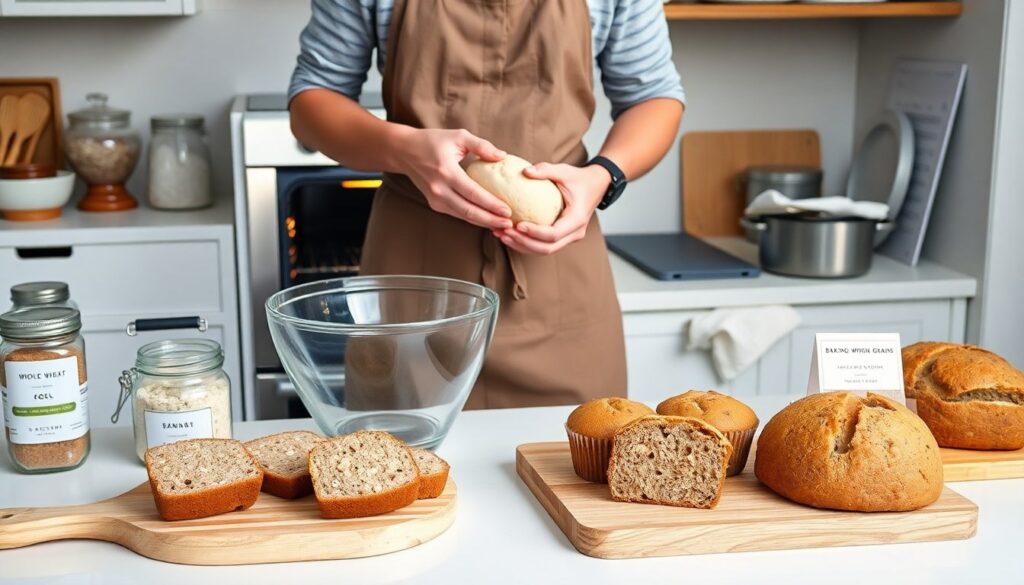
Baking with whole grains improves nutrition and boosts flavor. The writer explains clear steps and simple swaps. The reader learns how whole grains change texture and taste. The article shows practical tips, common pantry items, and easy recipes. The guide targets home bakers who want healthier bread, muffins, and cookies without sacrificing rise or moisture.
Key Takeaways
- Baking with whole grains enhances nutrition by adding fiber, vitamins, and minerals while boosting flavor with unique grain profiles.
- Adjust liquids and leavening to accommodate whole grains’ higher absorption and enzyme content for optimal texture and rise.
- Use techniques like dough resting, flour blending, and gentle handling to improve the moisture, rise, and crumb of whole-grain baked goods.
- Starting with simple swaps—such as replacing part of white flour with whole-wheat flour—and storing whole grains properly helps ease the transition to whole-grain baking.
- Incorporate pantry staples like whole-wheat, oat, rye, and spelt flours and try beginner-friendly recipes to explore whole grains without sacrificing taste or texture.
Why Choose Whole Grains for Baking: Benefits, Flavor Profiles, and How They Differ From Refined Flours
Baking with whole grains adds fiber, vitamins, and minerals. The grain retains bran and germ. The bran adds texture and the germ adds flavor. The reader gains steady energy from whole-grain bakes. Whole grains produce denser crumb than refined flours. Whole grains absorb more liquid than white flour. The baker will notice darker color and nuttier flavor. The taste varies by grain. Whole-wheat gives warm, toasted notes. Oat flour gives mild, sweet notes. Rye gives earthy, slightly tangy notes. Spelt gives a light, nutty taste. The baker must adjust liquids and leavening for each grain. Whole-grain flours contain more enzymes than refined flours. Those enzymes affect browning and shelf life. The baker can expect shorter shelf life for whole-grain bread. The baker can store flour in the fridge to slow rancidity. Whole-grain choices improve nutrition without drastic recipe changes. Baking with whole grains can reduce added sugar needs. The fiber softens blood sugar spikes after meals. The reader will get clear health benefits and a broader flavor range when they choose whole grains for baking.
Techniques To Improve Texture, Rise, and Moisture When Using Whole Grains
Bakers can use several techniques to improve whole-grain bakes. The first technique is hydration. Whole-grain flour soaks up more water. The baker increases liquid by 5 to 15 percent. The baker can also rest the dough. The rest allows bran and germ to soften. The baker will get a more tender crumb after a 20 to 60 minute rest. The second technique is blending flours. The baker mixes whole-grain flour with some white flour. The mix balances structure and nutrition. A 50:50 mix offers good texture for most breads. The third technique is sifting or milling fresh. The baker sifts coarse flour or mills grain finer. The finer flour produces lighter crumb. The fourth technique is using preferrments. The baker uses a sponge or sourdough starter. The sponge improves rise and flavor with whole grains. The baker adjusts yeast upward slightly to account for bran interference. The fifth technique is fat and egg addition. The baker adds oil, butter, or eggs to increase moisture and tenderness. The baker uses yogurt or buttermilk to add acidity. The acid helps gluten develop and improves rise. The sixth technique is gentle handling. The baker avoids over-kneading dense dough. The baker folds dough instead of aggressive kneading. The seventh technique is proper baking temperature. The baker preheats the oven fully and uses a hot initial oven for good oven spring. The baker reduces final bake temperature slightly to avoid over-browning. The eighth technique is steam. The baker adds steam for the first 10 minutes for better crust and rise in bread. The baker tests doneness by internal temperature for bread and by toothpick for quick breads. These techniques help the baker get improved texture, rise, and moisture when baking with whole grains.
Practical Swaps, Pantry Staples, and Beginner-Friendly Whole-Grain Recipes
The baker can make practical swaps to start baking with whole grains today. Swap one cup white flour for one cup whole-wheat in muffins and cookies. The baker uses a 3:1 swap for bread: three parts white to one part whole grain, then increase whole grain over time. The baker keeps these pantry staples: whole-wheat flour, oat flour, rye flour, spelt flour, rolled oats, and whole-grain baking powder. The baker stores flour in the fridge or freezer to extend shelf life. The baker also keeps vital items like active dry yeast, instant yeast, baking soda, and salt. The baker keeps honey or molasses for flavor and extra moisture. The article lists three beginner-friendly recipes the baker can try. Recipe one: Simple Whole-Wheat Muffins. The baker mixes one cup whole-wheat flour, one cup white flour, two eggs, one cup milk, half cup oil, half cup sugar, one tablespoon baking powder, and a pinch of salt. The baker folds in fruit and bakes at 375°F for 18 to 22 minutes. Recipe two: Oat and Banana Quick Bread. The baker blends one cup oat flour, one cup whole-wheat flour, two mashed bananas, two eggs, half cup yogurt, half cup sugar, one teaspoon baking soda, and a pinch of salt. The baker pours batter into a loaf pan and bakes at 350°F for 45 to 55 minutes. Recipe three: Rustic Whole-Grain No-Knead Bread. The baker mixes three cups whole-wheat blend, one teaspoon salt, one teaspoon instant yeast, and 1 1/2 cups water. The baker stirs until combined, covers, and rests 12 to 18 hours. The baker preheats a Dutch oven to 450°F, bakes loaf covered 30 minutes, then bakes uncovered 10 to 15 minutes. The baker uses seeds or oats on top for texture. The baker adjusts these recipes by swapping flours in small steps. The baker tastes often and refines recipes by changing hydration and rest time. These swaps and recipes let the baker explore flavor while keeping good texture and rise.
About The Author

 Feeding The Helpinus Active: A Practical Guide To Nutrition, Meals, And Care (2026)
  Fueling The Active Helpinus: A Practical 2026 Guide To Food For Endurance, Strength, And Recovery
  Overcoming Healthy Eating Challenges: 7 Practical Strategies To Stick With Better Food In 2026
  Fresh Vs Frozen: How To Choose The Healthiest, Tastiest, And Most Cost‑Effective Option In 2026
  Food Swaps That Work: Simple, Tasty Swaps To Eat Healthier In 2026
  Healthy Grilling: 10 Simple Strategies To Grill Cleaner, Leaner, And Tastier In 2026