
Dietary Diversity: How To Build A Healthier, More Nutrient-Rich Plate In 2026
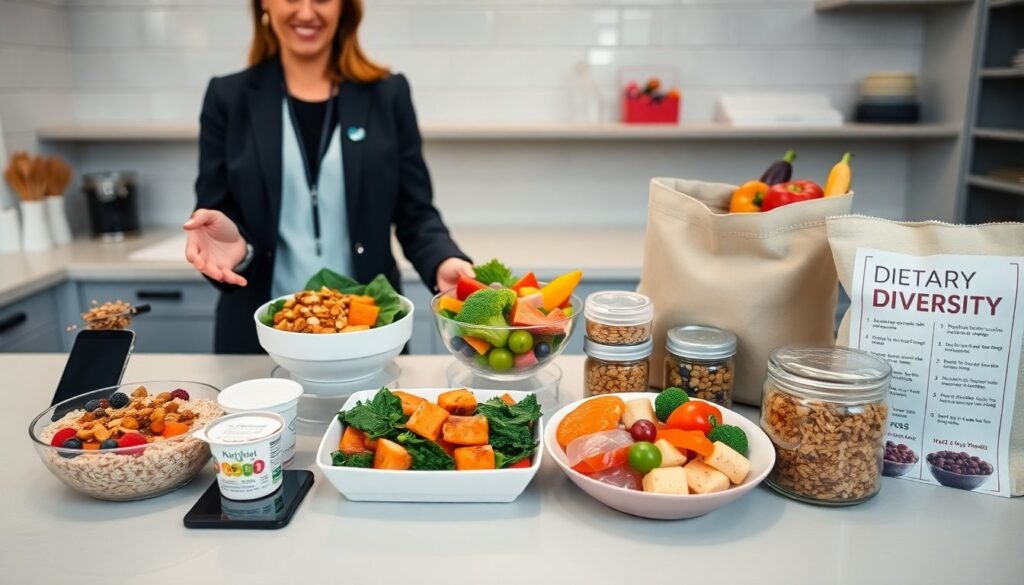
Dietary diversity helps people get more nutrients from food. It means they eat a wide mix of foods across groups. This approach reduces nutrient gaps and supports gut health, energy, and long-term disease prevention. The guide explains clear steps to add variety, choose smart swaps, and plan meals that fit busy 2026 lifestyles.
Key Takeaways
- Dietary diversity means consuming a wide variety of foods across different groups to ensure a full range of nutrients and health benefits.
- Incorporating diverse foods increases intake of essential vitamins, minerals, fiber, and supports gut health and disease prevention.
- Rotate core food groups like vegetables, fruits, proteins, grains, nuts, and seeds daily to enhance dietary diversity effectively.
- Simple meal planning and shopping strategies, such as choosing different colors and protein sources, help maintain dietary diversity with minimal prep time.
- Following dietary diversity leads to steadier energy, improved immunity, better mood, and reduced risk of chronic diseases.
What Dietary Diversity Means And Why It Matters
Dietary diversity means a person eats many different foods across food groups. It aims to supply a range of vitamins, minerals, fiber, and phytonutrients. Research links dietary diversity to lower risk of nutrient deficiency, improved immune function, and better gut microbial variety. Policy groups measure dietary diversity to track diet quality in populations. For individuals, dietary diversity reduces reliance on a few items and spreads nutrition risk. People who use dietary diversity find more flavor, fewer meal ruts, and steadier energy through the day.
Key Health Benefits And Nutrient Gains From Eating Diverse Foods
Dietary diversity increases intake of vitamins A, C, K, folate, and minerals like iron and zinc. It raises fiber intake and supports healthy digestion and blood sugar control. Diverse diets deliver different plant compounds that feed beneficial gut bacteria and reduce inflammation. People who practice dietary diversity often report better mood and sustained energy. Children and older adults benefit from varied textures and nutrient sources to support growth and maintenance. Overall, dietary diversity lowers risk factors for heart disease, some cancers, and micronutrient shortfalls.
How To Diversify Your Plate — Core Food Groups To Rotate
To apply dietary diversity, rotate core food groups across meals and days. Focus on vegetables, fruits, proteins, grains, nuts, seeds, and healthy fats. Spread colors, textures, and cooking methods. Use seasonal produce and local markets. Aim to include at least three different vegetable types and two different protein sources daily. Keep simple swaps on hand to vary meals without adding prep time.
Practical Tips, Shopping Strategies, And A Sample One-Day Meal Plan
Practical tips help people carry out dietary diversity with low friction. Use a shopping list that lists colors and protein types rather than exact items. Buy a new vegetable or grain each week. Prep batch vegetables and cook a few protein options for the week. Keep frozen fruit for smoothies and canned beans for quick meals. Sample one-day meal plan: Breakfast, oat porridge with berries, chopped nuts, and a spoon of flax: Lunch, mixed salad with spinach, roasted sweet potato, chickpeas, and grilled salmon: Snack, yogurt with kiwi and seeds: Dinner, stir-fry with tofu, broccoli, bell pepper, brown rice, and sesame oil. This plan shows simple swaps and encourages dietary diversity without long prep time.
About The Author

 Feeding The Helpinus Active: A Practical Guide To Nutrition, Meals, And Care (2026)
  Fueling The Active Helpinus: A Practical 2026 Guide To Food For Endurance, Strength, And Recovery
  Overcoming Healthy Eating Challenges: 7 Practical Strategies To Stick With Better Food In 2026
  Fresh Vs Frozen: How To Choose The Healthiest, Tastiest, And Most Cost‑Effective Option In 2026
  Food Swaps That Work: Simple, Tasty Swaps To Eat Healthier In 2026
  Healthy Grilling: 10 Simple Strategies To Grill Cleaner, Leaner, And Tastier In 2026