
The Solo Practitioner’s Blueprint: How to Structure Service Contracts on Used Medical Lasers for Sale
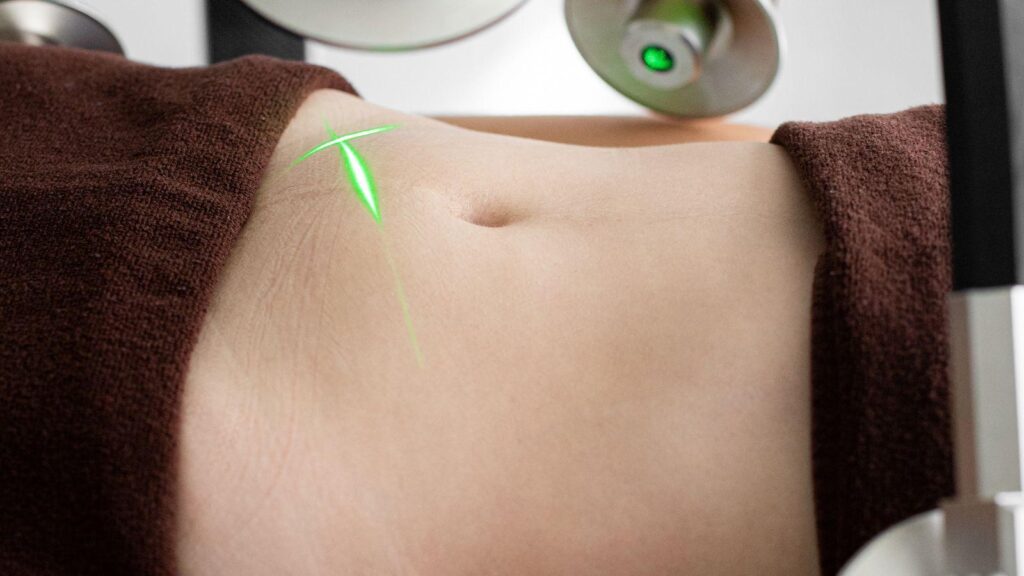
There comes a point where a solo practice with a used medical laser needs to answer a question that larger clinics handle differently. What happens when this machine goes down, and there is no backup, no in-house technician, and no second treatment room to absorb the lost revenue?
For a multi-provider practice, a laser going offline for a few days is disruptive. For a solo practitioner, it can mean a week or more of canceled appointments, lost income, and patients rescheduling with competitors. The financial exposure is disproportionate to the size of the practice.
A well-structured service contract is how you manage that risk. This guide covers how to evaluate, negotiate, and structure a service agreement on used medical lasers for sale that fits the realities of running a solo operation.
Why Solo Practitioners Need a Different Approach to Service Contracts
Most service contract templates are designed for multi-device clinics with higher treatment volume and deeper operational cushion. A solo practitioner operates under different constraints that change what matters in a contract.
What Makes Solo Practice Different
- One device, one revenue stream: When your only laser is down, 100% of that treatment line stops. There is no second machine to shift patients to.
- No in-house technical support: Larger clinics sometimes have staff trained to handle basic troubleshooting. A solo practice relies entirely on external service for everything beyond wiping the handpiece.
- Tighter budget with less room for surprises: A $4,000 emergency repair bill hits a solo practice harder than it hits a group practice splitting it across multiple revenue streams.
- Scheduling is personal: Your patients are your patients. A week of cancellations affects not just revenue but the trust and retention you have built directly.
These realities mean your service contract needs to prioritize speed of response, cost predictability, and coverage depth more aggressively than what a standard agreement offers.
Understanding the Contract Types Available
Service contracts for used aesthetic lasers come in several structures. Each one balances cost against coverage differently.
Contract Comparison
|
Contract Type |
What It Covers |
Best For |
Typical Cost Range |
|
Comprehensive (full coverage) |
Parts, labor, preventive maintenance, emergency repair |
Solo practices needing predictable costs and maximum protection |
10-15% of equipment value per year |
|
Labor-only |
Technician time for repairs and maintenance; parts billed separately |
Practices with newer equipment less likely to need major parts |
5-8% of equipment value per year |
|
Preventive maintenance only |
Scheduled PM visits at defined intervals; emergency repair billed separately |
Practices with reliable equipment and low repair history |
3-5% of equipment value per year |
|
Pay-per-call (no contract) |
Nothing until you call; everything billed at time of service |
Practices willing to accept unpredictable costs in exchange for no annual commitment |
$1,500+ per service call |
For most solo practitioners operating used cosmetic lasers for sale, the comprehensive contract delivers the best risk-adjusted value. The annual cost is higher, but it eliminates the financial surprise of an unplanned repair.
What to Negotiate Before You Sign
A service contract is not a take-it-or-leave-it document. Every term is negotiable, and the terms that matter most to a solo practitioner are often the ones that need the most attention.
Response Time
This is the single most important clause for a solo practice. A 24-to-48-hour response commitment is standard in the industry. For a solo practitioner, push for the tightest response time the provider will commit to in writing.
Ask specifically what “response” means. Does it mean a technician is on-site within that window? Or does it mean someone calls you back? The difference between those two definitions can cost you days of downtime.
Loaner Equipment
Some service providers and used laser dealers offer loaner units during extended repairs. For a solo practice, this clause is worth more than almost any other term in the contract.
If your machine needs a part that takes a week to arrive, a loaner unit keeps your schedule running and your revenue flowing. Ask whether a loaner is included in the contract or available for an additional fee. Either way, having the option documented before you need it saves critical time during a crisis.
Remote Diagnostics
Many modern laser platforms support remote diagnostic access. A technician who can log into your system remotely may be able to resolve software issues, reset error codes, or diagnose the problem without an on-site visit.
For a solo practitioner, this can mean the difference between a two-hour resolution and a two-day wait. Confirm whether your service provider offers remote support and whether it is included in the contract or billed separately.
Parts Coverage and Exclusions
Read the parts clause carefully. Some contracts cover all parts. Others exclude consumables like handpiece tips, flash lamps, and cooling components. Others cap the annual parts spend and bill overages separately.
For a solo practice on a predictable budget, knowing exactly what is and is not covered prevents the kind of surprise expense that a standard exclusion clause can create.
Consumable vs. Non-Consumable Definitions
This is where contract language gets tricky. Providers sometimes classify components as “consumables” to exclude them from coverage even when they are high-cost items.
Ask for a written list of what the provider considers a consumable. Compare it to the manufacturer’s parts classification. If a component that wears out regularly and costs several thousand dollars is classified as a consumable, it will not be covered. You need to budget for that cost separately outside the contract.
Matching the Contract to the Machine’s Age and Condition
The right contract structure depends on where the machine sits in its lifecycle.
Recently Refurbished or Low-Use Equipment
A machine that has been professionally refurbished or has a low shot count relative to its rated life is less likely to need emergency repair in the near term. A preventive maintenance contract or a labor-only agreement may be sufficient for the first year or two, with a plan to step up to comprehensive coverage as the machine ages.
Older Platforms or High-Use Equipment
A machine that has been in heavy clinical use or is past the midpoint of its expected lifespan carries higher repair risk. Comprehensive coverage is the stronger choice here because the likelihood of a major component failure increases with age and usage. The annual contract cost is offset by the protection it provides against a single repair that could cost more than the contract itself.
The First Year After Purchase
The first year with any used medical laser is when you learn the machine’s real condition. Even a thoroughly inspected unit can reveal issues that only surface during sustained clinical use. Starting with comprehensive coverage for year one and adjusting in subsequent years based on actual performance is a common and practical approach.
Building a Relationship with Your Service Provider
For a solo practitioner, the service provider is not just a vendor. They are a critical part of your business continuity.
The provider who knows your machine, your practice schedule, and your treatment volume is better positioned to prioritize your calls and anticipate your maintenance needs. That relationship takes time to develop, and it starts with choosing a provider whose communication style and responsiveness align with your practice’s requirements.
A few things to evaluate before committing:
- Do they specialize in your platform? Platform-specific expertise means faster diagnosis and fewer return visits.
- Can you reach a real person during business hours? A solo practitioner calling about a down machine should not be navigating a phone tree.
- Do they provide written reports after every visit? Documentation protects you for compliance purposes and adds value if you ever sell the device.
- Are they willing to adjust the contract annually? Your needs will change as the machine ages and your treatment volume grows.
What a Smart Contract Strategy Looks Like for a Solo Practice
The approach that protects most solo practitioners follows a simple framework:
- Start with comprehensive coverage in year one to absorb the unknowns of a new-to-you device
- Track the machine’s actual repair history and performance data through the first year
- Adjust the contract type in year two based on what the first year revealed
- Negotiate response time, loaner access, and remote diagnostics as non-negotiable terms
- Budget for consumable costs separately, since most contracts exclude them
- Review the contract annually against actual usage and repair frequency
This framework keeps costs predictable and protects against the kind of downtime a solo practice cannot absorb. It also gives you the data to make smarter coverage decisions as the machine’s history with your practice grows.
Your Service Plan Starts With the Right Device
A service contract can only protect a machine that was worth protecting in the first place. The inspection, documentation, and verified condition of the equipment you purchase determines whether your service plan is managing normal wear or chasing problems that existed before you signed the check.
The Laser Agent vets every device in our inventory before it reaches a buyer. We document shot counts, energy output, handpiece condition, and service history so your contract starts from a verified baseline. If you are a solo practitioner looking for used medical lasers for sale with a clear condition history and the support to keep it running, reach out to our team.
About The Author

 How Vehicle Damage Can Help Establish What Happened in a Collision
  Save On Comfort: Helpinus Shoe Sole Addon Promo — How To Claim Your Discount In 2026
  HelpInUs.net: How To Navigate, Use, And Get Support Quickly In 2026
  HelpInUs.net: The Practical Guide To Finding Help Online In 2026
  HelpInnUS.net: How To Use The U.S. Assistance Portal Safely And Effectively (2026 Guide)
  HelpinUSs.net Review 2026: The Fast Guide For English-Speaking Visitors To Find Local US Help