
Is a Root Canal Painful? Debunking the Myth for Inglewood Patients — What to Expect and How Modern Care Minimizes Discomfort
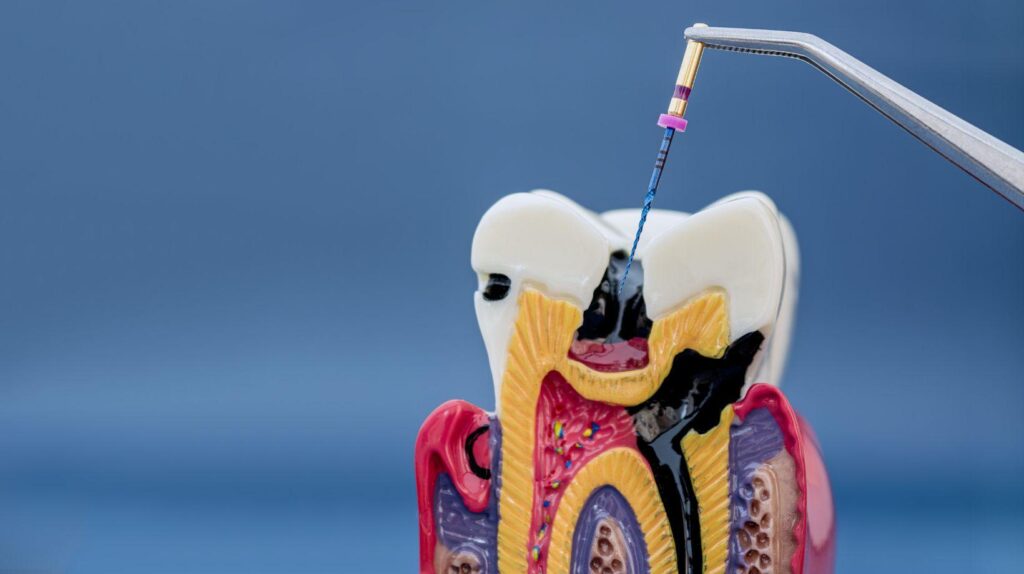
You don’t have to fear a root canal. Modern techniques and anesthesia make the procedure comfortable for most patients, and the real goal is to relieve pain and save your tooth.
If you’ve delayed treatment because of horror stories, this article explains what root canal treatment in Inglewood, CA actually involves. You’ll learn how clinicians manage pain before and after the appointment and what patients in Inglewood typically experience.
Expect clear facts about sensations during recovery, common myths debunked, and practical steps you can take to avoid future problems.
Understanding Root Canal Therapy
Root canal therapy removes infected tissue inside a tooth, stops pain and spread of infection, and lets you keep the natural tooth rather than extract it. The following subsections explain how the procedure works, why dentists recommend it, and how it compares to other dental treatments.
How Root Canals Work
A root canal treats the tooth’s pulp—the soft tissue inside the crown and down the roots—that contains nerves and blood vessels. Your dentist or endodontist first numbs the area with local anesthesia, then isolates the tooth with a rubber dam to keep it dry and clean.
They create a small access opening and remove inflamed or infected pulp. The root canals are shaped with tiny files.
The canals get disinfected with irrigating solutions, then filled with a biocompatible material (usually gutta-percha) to seal the space. Most procedures take one to two visits depending on infection severity.
After root canal therapy, your dentist typically restores the tooth with a filling and often a crown to protect structure and restore chewing function.
Common Reasons for Treatment
You may need a root canal if decay reaches the pulp, if a tooth suffers a deep crack or fracture, or if repeated dental work has stressed the pulp. Symptoms that often prompt treatment include persistent tooth pain, prolonged sensitivity to hot or cold, swelling near the tooth, or a recurring pimple on the gum.
X-rays and clinical tests confirm pulp inflammation or infection and assess bone involvement. Early treatment prevents abscess formation and bone loss.
Choosing a root canal preserves the tooth’s function and appearance while avoiding the complications of extraction and replacement.
Comparison to Other Dental Procedures
Root canal therapy differs from a tooth extraction because it saves the tooth rather than removing it. Extraction eliminates the source of infection but creates gaps that may require a bridge, denture, or implant to restore chewing, speech, and alignment.
Compared with routine fillings, a root canal addresses internal pulp disease. Fillings repair enamel and dentin but do not treat pulp infection.
Crowns commonly follow root canals to restore strength, whereas fillings alone suffice for smaller cavities. When deciding between root canal plus crown versus extraction plus implant, consider long-term costs, recovery time, and preservation of natural tooth structure.
Your dentist will evaluate tooth restorability, bone health, and overall treatment goals to recommend the best option for you.
Modern Pain Management Techniques
Precise anesthesia, modern instruments, and clinic comfort measures work together to keep discomfort minimal during and after treatment. These approaches target the tooth, nervous system, and environment to reduce pain and anxiety.
Local Anesthesia and Sedation
Your dentist numbs the tooth and surrounding tissues using a targeted local anesthetic, typically lidocaine or articaine. This is delivered via a handheld syringe or computer-assisted device for gentler injection.
You should expect profound numbness of the tooth and lip. Technicians verify this before starting to ensure you feel no pain during root canal cleaning and shaping.
If you have dental anxiety or need multiple canals treated, your provider may offer conscious sedation options. These include oral sedatives (e.g., low-dose benzodiazepine), nitrous oxide (laughing gas), or IV sedation for deeper relaxation.
Sedation choices depend on your medical history and the procedure length. Your dentist reviews risks and obtains consent beforehand.
Post-procedure pain control includes short courses of over-the-counter analgesics (ibuprofen or acetaminophen). Rarely, a short prescription for stronger pain relief may be needed.
Follow-up checks ensure the anesthetic effect has worn safely and that post-op pain remains manageable.
Advancements in Technology
Your clinician uses digital X-rays and cone-beam CT when indicated to map canal anatomy precisely. This reduces exploration time and tissue trauma.
Magnification with surgical loupes or an operating microscope improves visualization of tiny canals. This lowers the chance of missed anatomy that can cause persistent pain.
Rotary nickel-titanium instruments mechanically shape canals faster and more evenly than old hand files. This reduces procedure duration and mechanical stress on the tooth.
Irrigation systems deliver antimicrobial solutions more effectively to disinfect the canal system and minimize postoperative inflammation. Single-visit protocols or well-planned staged treatments rely on these technologies to finish work efficiently and limit repeated anesthetic injections.
All of these tools together translate to shorter chair time and less postoperative sensitivity for you.
Patient Comfort Protocols
Clinics routinely apply simple protocols that improve your comfort from check-in to dismissal. Staff screen for anxiety and medical risks, review your pain history, and adjust anesthetic or sedation plans accordingly.
They also offer amenities like warm blankets, noise-cancelling headphones, or calming music to lower stress before anesthesia takes effect. During the procedure, providers use topical anesthetic to numb the injection site, aspirate to reduce pressure, and inject slowly to minimize discomfort.
They check sensitivity periodically and pause if you report any sensation. Clear communication—telling you what to expect at each step—reduces surprises that can trigger pain perception.
Aftercare instructions include how to manage bite changes, what foods to avoid, and signs of complications that require prompt attention. A scheduled follow-up call or visit helps address any lingering discomfort and confirms healing is on track.
Typical Patient Experiences in Inglewood
Most patients in Inglewood report that modern root canal visits focus on pain control, step-by-step explanation, and quick recovery. You can expect local anesthetic, targeted treatment of the infected tissue, and aftercare instructions to manage mild post‑procedure soreness.
What to Expect During a Visit
You arrive and complete paperwork. The dentist reviews your symptoms and X‑rays to confirm infection or pulp damage.
The team gives a local anesthetic; you should feel numbness in the tooth and surrounding gum before the dentist begins. The dentist isolates the tooth with a rubber dam, then removes infected pulp using small instruments and irrigation.
Expect intermittent suction and brief pauses for X‑rays or to change instruments. A temporary or permanent filling is placed at the end.
Typical appointment length ranges from 60 to 90 minutes for a single canal tooth. Multi‑rooted teeth may take longer or require a second visit.
You leave with written aftercare steps and contact info in case of unusual pain or swelling.
Pre-Procedure Consultation
You meet with the dentist to discuss diagnosis, treatment options, and local anesthetic choices. Expect a review of your medical history, possible antibiotics if there is active spreading infection, and clear reasons why a root canal preserves the tooth versus extraction.
The dentist explains risks like reinfection or need for a crown and outlines costs and insurance estimates. You can ask about sedation options, X‑ray images, and what to expect immediately after the appointment.
If you have anxiety, request nitrous oxide or oral sedation. Many Inglewood practices offer these to improve comfort.
You should receive pre‑op instructions for eating, current medications, and transportation if sedation is planned.
Feedback From Local Patients
Many patients in Inglewood report that the worst pain was the infection, not the procedure itself. Several note that numbness eliminated pain during treatment and that soreness afterward was manageable with over‑the‑counter ibuprofen.
You’ll find comments praising clear explanations, gentle technique, and prompt follow‑up calls from offices. A few patients mention needing a crown after root canal treatment and appreciate when the practice coordinates that next step.
If you search local reviews, focus on mentions of pain control, appointment length, and post‑op support to gauge how well a clinic manages the full process.
Addressing Post-Treatment Sensations
You can expect some tenderness, short-lived sensitivity to biting or temperature, and clear signs that the tissues around the tooth are healing. Most reactions resolve within days to weeks when you follow aftercare steps and monitor changes.
Normal Recovery Timeline
Expect the first 24–48 hours to bring the peak of soreness from the procedure itself and local anesthesia wearing off. Pain at this stage is usually mild-to-moderate and responds to OTC analgesics.
Swelling should be minimal if the infection was well controlled. By day 3–7 you should notice steady improvement in pain and lighter sensitivity when chewing.
Some patients feel ache or pressure from the periodontal ligament for up to two weeks, especially after extensive cleaning or instrumentation. If the tooth was very infected before treatment, numbness or a dull ache can persist longer as surrounding bone and soft tissue recover.
Keep a daily log of symptoms—intensity, triggers, and any new signs—to help your dentist evaluate progress.
Managing Mild Discomfort at Home
Use ibuprofen 200–400 mg every 4–6 hours as directed, or acetaminophen if you cannot take NSAIDs. Alternate these medications only when recommended by your dentist or physician.
Apply cold packs to the cheek for 10–15 minutes during the first 24 hours to reduce swelling and throbbing. Eat soft, lukewarm foods and avoid chewing on the treated side until sensitivity subsides.
Maintain gentle oral hygiene: brush with a soft brush and rinse with warm salt water (½ teaspoon salt in 8 ounces of water) 2–3 times daily. Skip vigorous rinsing and hard or sticky foods until the permanent restoration is placed.
When to Contact Your Dentist
Call your dentist within 24 hours if you experience severe, increasing pain that does not respond to prescribed or OTC pain relief. Also contact them for persistent or worsening swelling, fever, or difficulty breathing or swallowing.
Seek prompt care if you detect new or worsening drainage, a bad taste that won’t go away, or numbness that persists beyond the expected local anesthetic window. Mention any changes in bite, sharp pain when biting, or signs that the temporary filling has come loose.
Bring your symptom log and any questions about medications or follow-up appointments when you call. Specific details help your dental team decide whether a simple office visit or urgent specialist referral is needed.
Dispelling Common Myths and Fears
You’ll read why root canals developed a negative image, what facts contradict common beliefs, and how inaccurate sources amplify fear. Expect clear, specific points about pain control, outcomes, and where misinformation spreads.
Why Root Canals Have a Bad Reputation
People often link root canals to intense pain because older techniques lacked effective local anesthetics and gentle instruments. Before modern anesthesia and rotary instruments, procedures could be prolonged and uncomfortable; those stories persist in personal memories and word-of-mouth.
Media and anecdotes also shape reputation. A single vivid account from a family member can outweigh dozens of routine, uneventful treatments you don’t hear about.
Historical associations with extractions and infection further reinforce the idea that the procedure equals harm rather than tooth preservation. You should know that contemporary endodontics focuses on pain control and preserving your natural tooth.
Newer techniques, like targeted local anesthesia, rubber dam isolation, and digital imaging, reduce complications and discomfort compared with past generations of care.
Separating Fact From Fiction
Myth: “Root canals are unbearably painful.” Fact: providers use effective local anesthesia and many patients report immediate relief from the toothache that led them to seek care.
The procedure removes infected or inflamed pulp, which is the real source of pain in most cases. Myth: “Root canals cause illness elsewhere in the body.” Fact: well-done root canal therapy eliminates infection; high-quality sterilization and filling materials prevent spread.
There’s no reliable scientific evidence linking root canal treatment to chronic systemic diseases. Myth: “Extraction is simpler and better.” Fact: extracting a tooth creates long-term issues—shifting teeth, bite changes, and bone loss—that often require implants or bridges.
A successful root canal preserves your natural tooth and usually avoids those downstream procedures.
Role of Misinformation in Patient Anxiety
Social media, outdated blogs, and sensationalized videos often replay dramatic experiences without context. Those sources lack clinical detail about anesthesia, sterilization, and modern success rates, so they amplify fear rather than inform you.
Marketing from nonclinical voices can exaggerate risks to sell alternatives. You should weigh claims against peer-reviewed studies and guidance from professional bodies like endodontic associations.
Ask your dentist for specifics: expected anesthesia plan, number of visits, and success rates for your tooth type. Clear communication from your provider reduces anxiety.
Request explanations of each step, potential sensations during recovery, and pain-management options so you enter treatment with realistic expectations and tangible reassurances.
Benefits of Professional Care in Inglewood
Choosing a licensed endodontist or dental practice in Inglewood gives you access to specialized training and experience that directly improves outcomes. Specialists focus on saving teeth with techniques that reduce complications and the need for repeat treatment.
You benefit from modern technology that speeds diagnosis and enhances comfort. Digital imaging, microscopes, and local anesthesia make the procedure more precise and markedly less painful than older methods.
Professional care includes infection control and tailored aftercare instructions to support healing. Your provider will monitor recovery, prescribe appropriate medications if needed, and advise on when to return for follow-up or permanent restoration.
Many Inglewood clinics offer same-day or urgent appointments when pain or swelling strikes. Quick access to care helps stop infection sooner and lowers the risk of more invasive procedures like extractions or surgeries.
Cost and insurance navigation is another practical benefit. Your dental team can explain treatment options, estimate costs, and help coordinate with your insurer so you can make informed choices without surprise bills.
If you’re experiencing persistent tooth pain, seek a professional evaluation in Inglewood to learn which option best protects your oral health.
Preventive Steps to Avoid Root Canal Therapy
You can reduce the chance of needing a root canal by keeping bacteria and trauma away from the tooth pulp. Catching cavities early and protecting teeth from cracks are also important.
The steps below give clear, practical actions you can take at home and with your dentist.
Oral Hygiene Best Practices
Brush twice daily for two minutes with a fluoride toothpaste to remove plaque before it demineralizes enamel. Use a soft-bristled brush and angle it 45 degrees to the gum line.
Replace the brush every three months or sooner if bristles splay. Floss once daily to clean between teeth where a brush can’t reach.
Consider interdental brushes or a water flosser if floss is difficult to use or you have wide spaces around crowns or implants. Rinse with a fluoride mouthwash after brushing if your dentist recommends it.
Limit sugary and acidic snacks. Choose water, plain dairy, or whole fruits instead.
Wait 30 minutes after acidic foods before brushing to avoid brushing softened enamel.
Routine Dental Screenings
Schedule dental exams and cleanings every six months or as your dentist advises based on your risk. Professional cleanings remove hardened tartar that at-home care cannot.
Bring up any tooth sensitivity, swelling, or a tooth that feels different at the appointment. Dentists use visual exams, periodontal probing, and bitewing X-rays to detect early cavities and cracks.
If you grind your teeth, ask about a nightguard. If you play contact sports, get a custom mouthguard.
These protective devices reduce fracture risk that can expose the pulp.
Early Detection of Decay
Watch for persistent sensitivity to cold, heat, or sweets. Any localized pain when biting can also signal enamel or dentin damage before pulp involvement.
Report these symptoms promptly instead of waiting for pain to escalate.
Request bitewing X-rays at intervals your dentist recommends—typically every 12–24 months. This helps small interproximal cavities show up while they remain easily treatable.
Ask for targeted periapical X-rays if a specific tooth feels abnormal.
When a small cavity appears, choose conservative restoration such as a composite filling or onlay quickly to stop bacteria progression. Early, minimal treatment keeps the nerve healthy.
About The Author

 Win Warmth: Helpinus Medical Heating Tube Socks Giveaway — How To Enter & Why They Work (2026)
  5G Headache Remedies That Work: Practical Relief And When To Seek Help (2026)
  Stone Age Calisthenics: Helpinus Recap — What Worked, What Didn’t (2026)
  Thynaril Vorkyn: What It Is, How It Works, and What To Know In 2026
  Jay Stallings’ Health Guide: Practical, Evidence‑Backed Steps To Better Health With Helpinus (2026)
  Helpinus: Jay Stallings’ Practical Health Guides For Everyday Wellness (2026 Update)