
How to Even Out Your Skin Tone and Feel More Confident

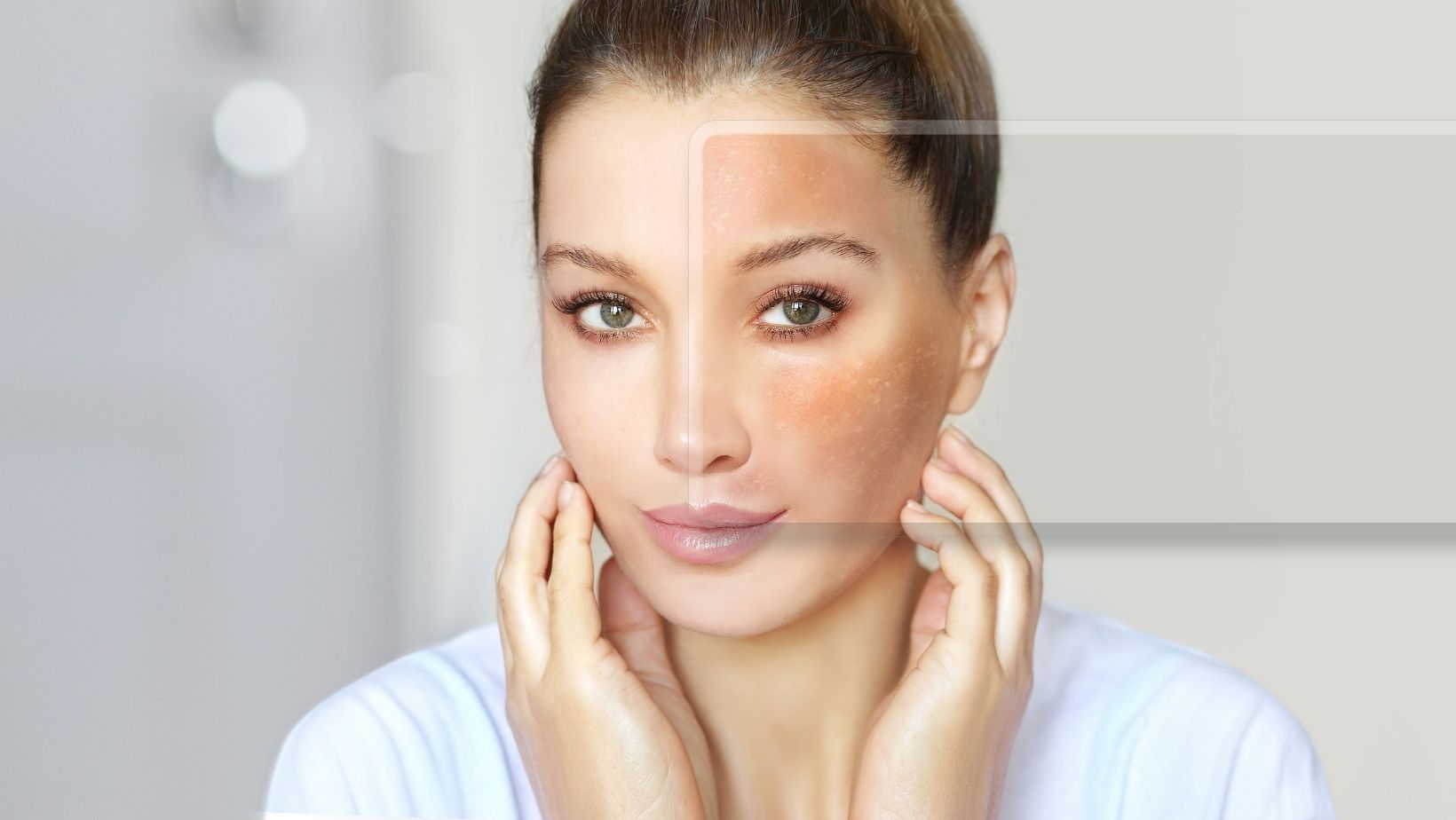
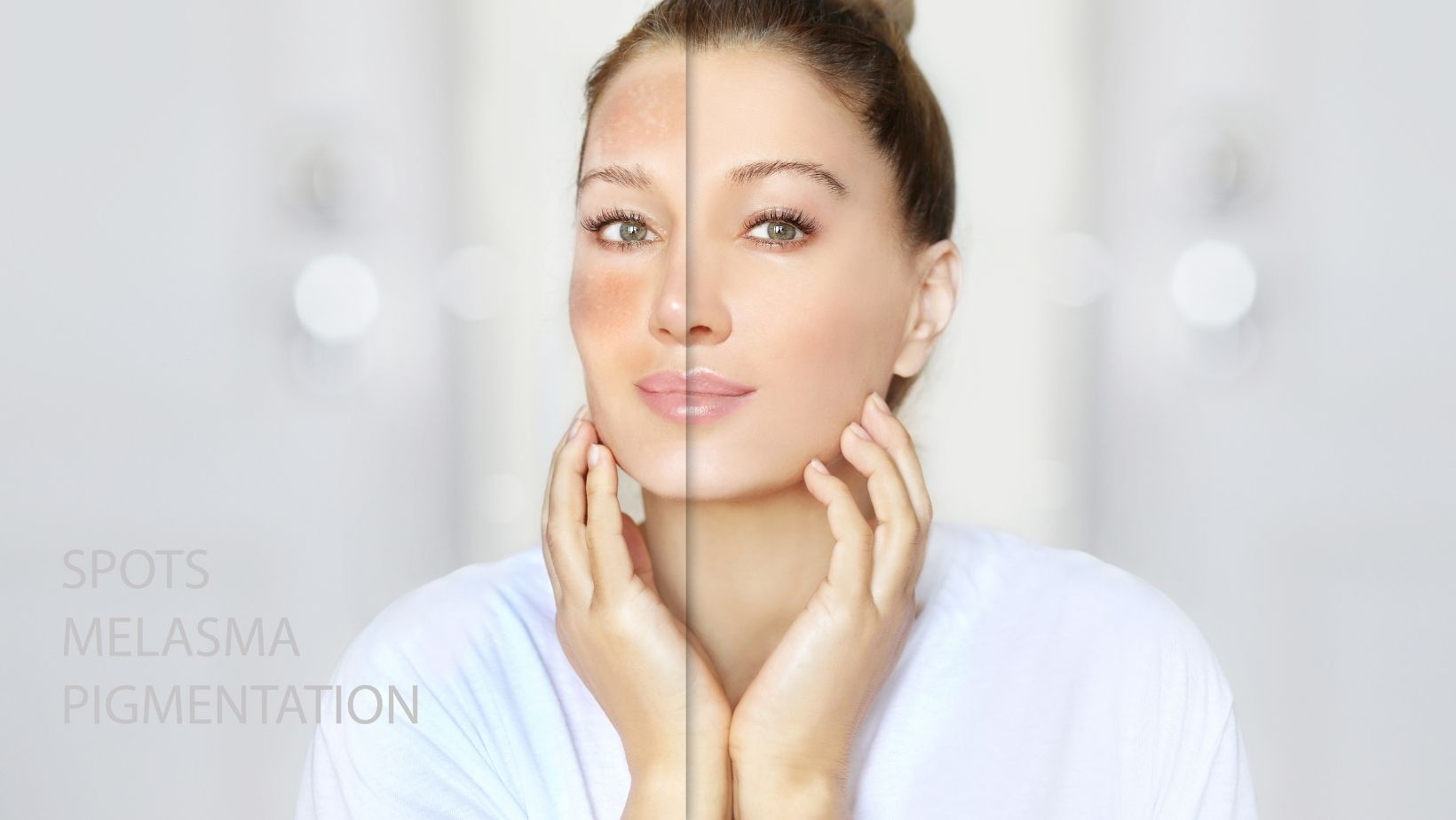
Dealing with uneven skin tone can really mess with your confidence. Plenty of us have dark spots, redness, or hyperpigmentation that make us feel a bit self-conscious. These things can pop up from sun damage, acne scars, hormones, or just plain old genetics.
You can absolutely even out your skin tone with some patience and the right products. Keeping up with a gentle routine—think exfoliation, targeted serums, and daily sunscreen—can genuinely change your skin over time. A lot of people start to see results after a few weeks of sticking with it.
You don’t need to get fancy or spend a fortune to see your skin improve. Making a few smart changes to your habits and what you put on your face can go a long way. As your skin looks more even, you might actually start to feel a little more at ease in your own skin and maybe even more outgoing.
Understanding Skin Tone and Its Causes
Skin tone is all over the map from person to person, and it can shift as you age or deal with different life stuff. Figuring out what’s behind your uneven patches helps you tackle them more effectively.
What Determines Skin Tone
Melanin does most of the heavy lifting when it comes to your skin’s color. If you’ve got more melanin, your skin’s darker; less melanin means lighter skin. The amount you have is all about:
- Genetics: Your DNA sets your natural skin color
- Melanocytes: These cells crank out melanin
- Melanosomes: Little structures that spread pigment through your skin cells
When you’re out in the sun, your skin makes extra melanin to protect itself, which is why you tan. There are undertones too—warm (yellow/golden), cool (pink/blue), or neutral. No matter what you do, your undertone doesn’t really change.
Common Reasons for Uneven Skin Tone
Everyday stuff can throw your skin tone off:
Sun exposure is the biggest culprit. UV rays mess with melanin, leaving you with things like:
- Sunspots
- Dark patches
- Early wrinkles and other aging signs
Hormonal changes can set off melasma—those brown or gray-brown patches, usually on your face. Pregnancy, birth control, and hormone therapy can all play a part.
Post-inflammatory hyperpigmentation happens when your skin darkens after it’s been hurt or inflamed. Think acne, burns, cuts, or even harsh products—sometimes those marks stick around for a while.
Aging doesn’t help either. As you get older, your skin just gets less consistent with melanin production.
Underlying Skin Conditions
Some medical stuff can mess with your skin tone too:
- Vitiligo makes patches of skin lose pigment, so you get lighter spots. It’s an autoimmune thing, and it affects about 1% of people worldwide.
- Rosacea shows up as redness and visible blood vessels, mostly on your face. It tends to flare up with triggers like spicy foods, alcohol, or temperature swings.
- Eczema and psoriasis can leave you with red, inflamed areas that look lighter or darker than the rest of your skin.
- Tinea versicolor is a fungal infection that gives you patches that don’t match your normal skin tone.
These conditions usually need specific treatments, so it’s smart to check with a doctor if you’re dealing with something more than just sunspots.
Pigmentation Treatment
Pigmentation treatment want to focus on both prevention and fixing what’s already there:
Sunscreen (SPF 30 or higher) is a must every day, rain or shine. If you’re outside, reapply every couple of hours to keep new spots from showing up.
Topical treatments you might reach for include:
- Vitamin C: Brightens skin and fights off free radicals
- Niacinamide: Calms inflammation and fades dark spots
- Alpha hydroxy acids: Help shed dead skin cells
- Retinoids: Speed up how fast your skin renews itself and fade spots
Professional treatments go a bit deeper:
- Chemical peels strip away damaged skin layers
- Microdermabrasion buffs the skin’s surface
- Laser therapy targets dark spots directly
- Intense pulsed light (IPL) helps clear up discoloration
If you mix these treatments with good sun habits and give it time, you’ll probably notice your skin tone evening out—just don’t expect overnight miracles.
Effective Strategies to Even Out Your Skin Tone
If you want a more even skin tone, you’ll need to stick with it and use the right stuff. There are a handful of methods that actually work to fade discoloration and smooth things out.
Building a Consistent Skincare Routine
Your routine really matters here. Wash your face twice a day to clear away dirt and oil that can make uneven tone worse. Pick a gentle cleanser that won’t dry you out. After that, an alcohol-free toner helps reset your skin’s pH and gets it ready for whatever you put on next.
Exfoliating makes a big difference by getting rid of dead skin cells. Chemical exfoliants like AHAs (glycolic acid) or BHAs (salicylic acid) work better for most people than rough scrubs. Moisturizer keeps your skin barrier strong.
Look for stuff with niacinamide, ceramides, or hyaluronic acid—these ingredients help without making your skin angry.
For a simple routine, you’ll want:
- A gentle cleanser
- Alcohol-free toner
- Chemical exfoliant a couple times a week
- Hydrating moisturizer
Targeted Treatments for Hyperpigmentation
Certain ingredients target dark spots and patchy areas. Vitamin C is a favorite—it brightens and helps stop melanin from overproducing. Retinoids help your skin turn over faster, so dark spots fade more quickly. If you’re just starting out, go for lower strengths to avoid irritation.
Alpha arbutin and tranexamic acid are also solid choices for fading pigmentation, and they’re usually gentler. They block the enzyme that makes your skin produce extra pigment.
Spot treatments that get results:
- Vitamin C serums (10-20%)
- Retinoids, either prescription or over-the-counter
- Products with alpha arbutin, kojic acid, or azelaic acid
- Tranexamic acid creams or serums
Give these time—usually you’ll need 8 to 12 weeks of steady use before you see big changes.
Sun Protection and Its Importance
The sun is just brutal on uneven skin tone. Both UVA and UVB rays kick melanin into overdrive and can make dark spots worse. Put on a broad-spectrum SPF 30 to 50 every morning, even if it’s cloudy or you’re mostly inside. When you’re out, reapply every couple of hours.
Physical sunscreens with zinc oxide or titanium dioxide work right away and bounce UV rays off your skin.
To boost your sun protection, try:
- Wide-brim hats
- UV-blocking sunglasses
- Sticking to the shade from 10 AM to 4 PM
- UPF clothing if you’re outside for a long time
If you skip sunscreen, nothing else you use will really work. Sun protection is the non-negotiable piece—no serum can undo daily sun damage.
Lifestyle Habits That Boost Skin Clarity
What you eat really shapes your skin. Antioxidant-packed foods, for example, help your body fight off those pesky free radicals that mess with your complexion.
Skin-supporting foods include:
- Colorful fruits and vegetables
- Fatty fish with omega-3s
- Green tea
- Foods loaded with zinc and selenium
Getting enough sleep gives your skin time to repair itself. Most adults do best with somewhere between seven and nine hours of solid rest each night, though it’s not always easy to hit that sweet spot.
Managing stress can really help balance out hormones that sometimes lead to pigmentation problems. Things like yoga, meditation, or even just slowing down to breathe deeply can make a difference. Don’t forget to drink water regularly—hydration keeps your skin functioning and helps maintain its natural barrier. It sounds simple, but it honestly works.
About The Author

 Helpinus.net Self-Care: Simple Daily Routines For Busy People (2026 Guide)
  Haldinusbet: The AI Emotional Support Tamagotchi You’ll Actually Connect With In 2026
  Ageless Allure: 4 Practical Elegance Techniques To Look And Feel Timeless
  Why A Spa Gift Is The Perfect Present: Thoughtful Ideas And How To Choose In 2026
  Helpinus Contours & Confidence: How To Sculpt Your Look And Boost Self-Esteem In 2026
  Restorative Face & Body Enhancement: Practical Techniques With Helpinus (2026 Guide)