
Time-Rich Travel: Why Modern Luxury Is No Longer About Showing Off
Travel was about bigger rooms, louder photos, and fuller itineraries. Basically, more things were squeezed into less time. However, that old version of luxury now feels a bit tired. Now, people are not only asking where they can go, but they are also asking what the trip will give back to their body, schedule, and headspace.
For many travellers, luxury is also about making the experience feel effortless. All inclusive holidays can offer that balance by taking care of the practical details while leaving more time to relax, explore and enjoy the destination.
In that sense, premium travel has moved from display to control. It is more like choosing fewer frictions. Therefore, the real upgrade is not always the marble lobby or the rare wine list. Rather, it is a smoother arrival and a quieter morning. It is about experiencing enough room in the day to actually feel somewhere.
Convenience Has Become Emotional
The modern traveler is not necessarily lazy. Actually, the opposite seems true. Many people are overstretched and overbooked. Also, they are still trying to keep life moving. So, when travel planning begins, convenience starts to feel emotional. This way, it becomes less about shortcuts and more about preserving energy.
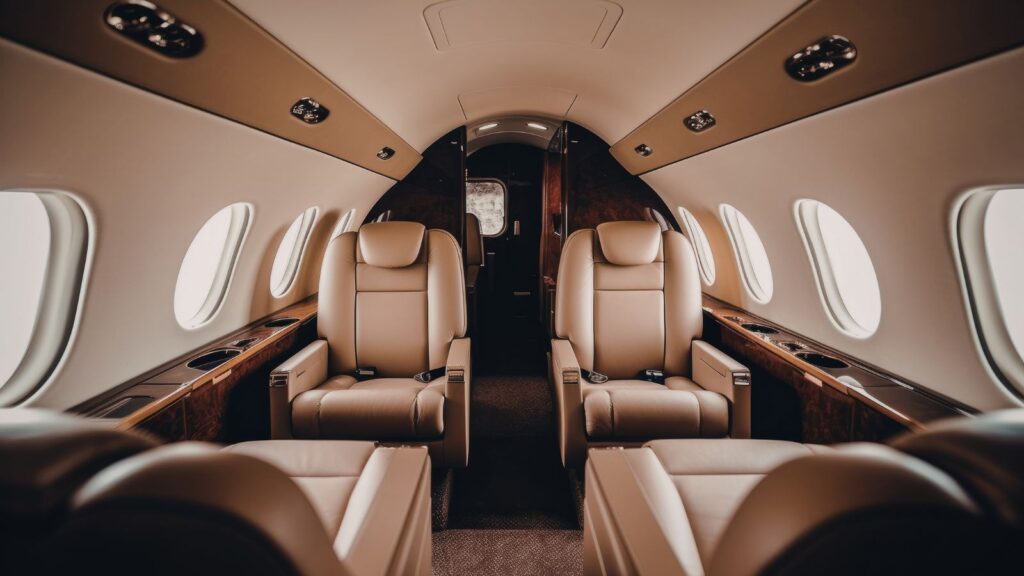
That is why services built around privacy, flexibility, and comfort keep gaining attention. For certain high-pressure schedules, luxury private jet hire is helpful. This is because it does the following:
- Protects time
- Reduces waiting
- Gives travelers a calmer route into business, family commitments, or long-planned leisure.
Still, the value sits in function, not flash.
What Travelers Are Really Buying
| Travel Priority | Old Luxury View | New Luxury View |
| Time | A nice extra | The main asset |
| Privacy | Status symbol | Mental space |
| Comfort | Soft bedding, better seats | Less strain across the whole journey |
| Planning | Full itinerary | Selective, flexible structure |
| Experience | More activities | Better recovery and meaning |
The Shift Toward Fewer, Better Moments
Moreover, the strongest travel experiences are more curated. For instance, a person may skip three tourist spots and choose one long waterfront lunch instead. Another may book a slower countryside stay rather than race through five cities. Consequently, the trip becomes more memorable because it has breathing space.
This is also where hospitality, wellness, and culture begin to overlap. For instance, a good hotel is not only a bed. Also, a good restaurant is not just a place for a meal. Likewise, a good destination is not only a checklist.
Instead, each part works together and quietly asks: Did this make life feel lighter, richer, or more grounded?
Personalization Matters More Than Excess
Now, travelers expect choices that fit their actual lives, not some glossy idea of what a trip should look like.
For instance, a family with children may need space, predictability, and less chaos. Meanwhile, a founder flying between meetings may need privacy and silence more than champagne. Moreover, a retired couple may want slower transfers, local food, and no pressure to “do everything.”
Therefore, personalization has become the smarter face of luxury travel. Sometimes, it looks like dietary details are handled properly, luggage transferred without drama, or a schedule that leaves one afternoon completely open.
Although these things sound small, taken together, they change the emotional texture of a journey.
Practical Luxury Is Still Luxury
In some cases, luxury loses meaning when it becomes only expensive convenience. A premium choice should solve a real problem. Otherwise, it just becomes decoration with a receipt. Therefore, travelers need to judge upgrades by usefulness, not by how impressive they sound in conversation.
A simple test helps:
- Does this choice save meaningful time?
- Can it reduce stress before or after the trip?
- Does it improve rest, privacy, or decision-making?
- Does it support the actual purpose of the journey?
If the answer is yes, then the upgrade has weight. If not, maybe it is just noise wearing a nice jacket. However, adding a bouquet of flowers to the deck will only enhance the essence of your journey.
Sustainability Is Part of the New Conversation
At the same time, premium travel can no longer ignore responsibility. People still want comfort, naturally. However, they also notice waste, overconsumption, and careless planning. As a result, the more thoughtful traveler may choose the following:
- Longer stays
- Fewer transfers
- Local operators
- Experiences that respect the place rather than treating it as a backdrop.
This does not mean every trip must become a moral lecture. Rather, luxury has to grow up a little. Better decisions, clearer purpose, and less pointless excess can sit comfortably beside comfort.
Better Travel Now Means Less Friction
Ultimately, the future of high-end travel looks quieter than expected. It is about less performance and more intention. Also, it is about less rushing, more recovery. Moreover, it is about feeling less guilty about choosing comfort when it serves a purpose.
As a result, travelers who understand their limits may design better trips than those chasing the most impressive ones.
Good travel now respects time, mood, health, and attention. That may sound simple. Yet in a world that keeps making everything feel urgent, simplicity has become a rare privilege.
About The Author

 Belize’s Clear, Lush Jungles: The Traveler’s Guide To Exploring And Protecting A Tropical Treasure In 2026
  HelpInUs.net Travel: How To Use Helpinus.net To Plan, Book, And Save In 2026
  Why Digital Detox Holidays Are Attracting More Travellers
  Culture & Travel Helpinus: How To Travel Smarter And Connect Deeper In 2026
  Survival Knife Selection for Travel: Field Checklist Essentials
  Tahiti Tours Explained: Choosing Activities by Interests