
Ergonomic Chairs for Elderly: Enhance Comfort and Mobility
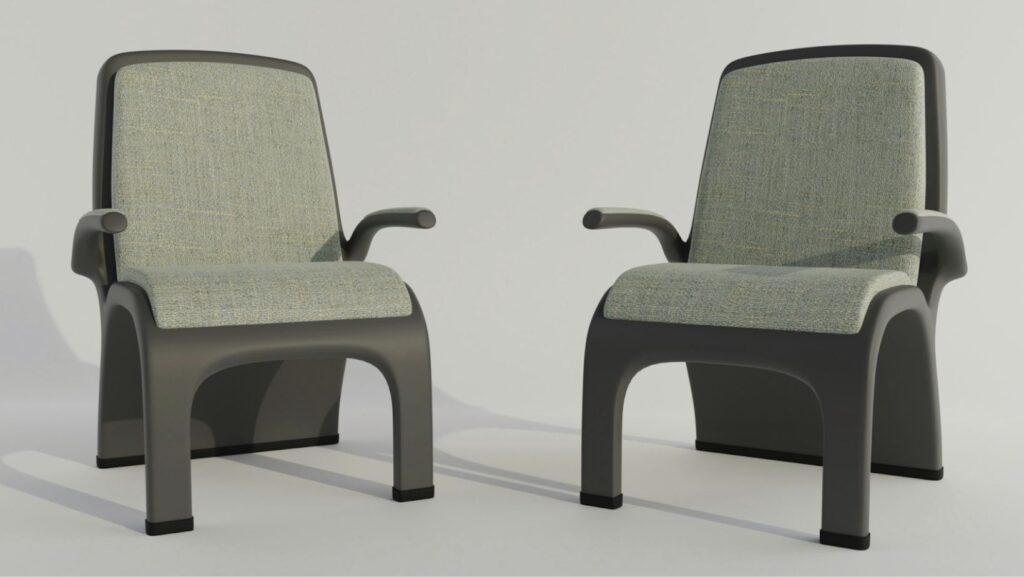
Want to know the secret to keeping your elderly loved ones comfortable and mobile?
It’s not some expensive medical device or complicated therapy routine. The answer might be sitting right in your living room… or more accurately, it’s what they’re sitting ON.
Over 14 million older adults in the United States fall each year, and here’s the kicker — many of these falls happen because they’re struggling to get up from poorly designed chairs.
Here’s the problem:
Regular chairs aren’t built for aging bodies. They’re too low, too soft, or don’t provide the right support. When you’re 75 and dealing with arthritis, getting out of your favorite recliner becomes a dangerous daily battle.
But ergonomic chairs? They’re game-changers.
Behind the Scenes:
- Why Standard Chairs Fail Elderly Users
- The Science Behind Better Seating
- Essential Features That Actually Matter
- How to Choose Without Breaking the Bank
- Real Results From Real People
Why Standard Chairs Fail Elderly Users
By 2030, more than 1 in 5 Americans will be over the age of 65. Most furniture manufacturers are still designing for 30-year-olds.
Think about it…
When you’re younger, you don’t think twice about sinking into a low sofa or jumping up from a dining chair. Your muscles are strong, your joints are flexible, and balance isn’t a concern.
But aging changes everything. It is estimated that 90% of adults over age 65 experience one or more chronic condition. Arthritis affects your joints. Muscle weakness makes standing difficult. Balance issues increase fall risk.
Standard chairs make these problems worse by:
- Forcing awkward positions that strain already painful joints
- Providing inadequate support for weakened muscles
- Creating transfer difficulties that increase fall risk
- Ignoring postural needs that affect breathing and circulation
The result? Elderly people become prisoners in their own homes, avoiding activities because their furniture works against them.
The Science Behind Better Seating
Here’s where things get interesting…
Researchers have spent decades studying exactly what makes seating work for aging bodies. The findings are eye-opening.
Mobility and independence are maintained if a person is able to get in and out of a chair with relative ease, without having to wait or ask for assistance. When you can’t get up from your chair independently, everything changes.
The science is clear:
Proper seating affects far more than just comfort. It impacts:
- Respiratory function — better posture means easier breathing
- Circulation — proper support prevents blood pooling
- Muscle strength — easier transfers maintain mobility
- Mental health — independence boosts confidence
- Social interaction — comfortable seating encourages participation
But here’s the catch…
Unfortunately, however, some of the factors that make it more difficult to rise from a chair: lowered seat height, increased posterior seat tilt and increased back recline, tend to be the same features that make the chair more comfortable to sit in for extended periods.
That’s why finding the right balance is crucial. You need comfort AND functionality.
Essential Features That Actually Matter

When you’re shopping for chairs for the elderly, focus on these proven features:
Height Adjustability
This isn’t negotiable. The ability to adjust seat height means the difference between struggling to stand and rising with confidence.
Firm Edge Support
Soft, cushy edges that sink when you sit? Terrible for elderly users. You need firm, stable edges that provide support during transfers.
Proper Armrests
Not just any armrests — they need to be the right height and positioned correctly. Good armrests should support your forearms when sitting and provide leverage when standing.
Lumbar Support
Lower back pain is almost universal among elderly users. Adjustable lumbar support can mean the difference between pain-free sitting and constant discomfort.
Stable Base
Forget about chairs that roll or swivel unless they have excellent locking mechanisms. Stability is paramount for safe transfers.
Easy-Clean Materials
Let’s be practical here. Incontinence issues are common, and chairs need to be easy to clean without losing their supportive properties.
How to Choose Without Breaking the Bank
Think ergonomic chairs are expensive? Think again.
You don’t need to spend thousands on a medical device. Many excellent options exist for every budget.
Start with these questions:
- What’s their primary limitation? (Strength, balance, pain, etc.)
- How much time do they spend sitting?
- Do they need help transferring?
- What’s their living situation?
Once you know their specific needs, you can find suitable chairs for the elderly that actually work for their situation.
Here’s a pro tip most people miss…
Test before you buy. Many retailers offer trial periods or return policies. Use them. What looks perfect in a showroom might be wrong for your loved one’s needs.
Real Results From Real People
Want to see the difference good seating makes?
Take Mrs. Johnson, an 82-year-old with arthritis. She’d been avoiding social activities because getting up from chairs was painful and embarrassing. After switching to an ergonomic chair with proper height and armrests, she’s back to playing bridge twice a week.
Or consider Mr. Wilson, who fell three times in six months trying to get out of his recliner. A stability-focused chair with firm edges and supportive armrests eliminated his falls completely.
These aren’t isolated cases. 24% of adults age 65 and older reported mobility device use in 2011, and proper seating is often the first step toward maintaining independence.
The transformation isn’t just physical — it’s psychological. When elderly people can move confidently from sitting to standing, they maintain their dignity and independence.
The Hidden Costs of Poor Seating
Here’s what most people don’t realize…
Bad chairs cost more than good ones. Really.
In 2020, non-fatal older adult falls totaled about $80 billion in health care costs. Many of these falls happen during transfers from poorly designed furniture.
When you factor in:
- Emergency room visits from falls
- Physical therapy costs
- Loss of independence
- Caregiver expenses
- Reduced quality of life
That expensive ergonomic chair suddenly looks like a bargain.
Plus, good chairs last longer. While you might replace a cheap chair every few years, a quality ergonomic chair can last decades.
Making the Right Choice
The perfect ergonomic chair doesn’t exist. But the right chair for your specific situation absolutely does.
Consider these factors:
- Physical limitations — What specific challenges need addressing?
- Daily routine — How will the chair be used?
- Living space — Where will it be placed?
- Budget — What’s realistic for your situation?
Don’t make the mistake of buying based on price alone. The cheapest option often ends up being the most expensive when you factor in replacements and health costs.
The Bottom Line
Ergonomic chairs aren’t luxury items for elderly people — they’re essential tools for maintaining independence and dignity.
With the aging population growing rapidly, the demand for proper seating will only increase. The earlier you address seating needs, the better the outcomes.
Remember these key points:
- Proper seating affects far more than comfort
- Height adjustability is non-negotiable
- Firm support beats soft cushioning
- Testing is crucial before buying
- Good chairs are investments, not expenses
The right chair can literally change someone’s life. It’s the difference between struggling daily and living comfortably. Between dependence and independence. Between fear and confidence.
Don’t wait until after a fall to address seating needs. Be proactive. Your loved ones — and your wallet — will thank you.
Final Takeaway
Your elderly loved ones deserve better than struggling with furniture that works against them. Ergonomic chairs designed for aging bodies can restore independence, reduce fall risk, and improve overall quality of life.
The investment in proper seating pays dividends in health, safety, and happiness. And by 2050, one in six people in the world will be over age 65, this isn’t just a personal issue — it’s a societal one.
Make the change today. The difference will be immediate, and the benefits will last for years to come.
About The Author

 Managing Loose Skin After Significant Weight Loss
  Emotional Well-being Amidst Sexual Harassment Challenges
  Enhancing Emotional Self-Care for Stronger Personal Connections
  Leading Myths About Laser Hair Removal in Toronto Busted
  Tanning: The Secret To Clear Skin
  Legal Support and Self-Care for Abuse Survivors