
Cultural Influences on Dietary Habits: Navigating Health and Nutrition Across Traditions

Table of Contents
- Introduction: Why Culture Shapes Our Relationship with Food
- Understanding Cultural Norms Around Food
- Common Conflicts Between Cultural Diets and Weight Loss Advice
- Adapting Weight Loss Strategies to Honor Cultural Values
- The Role of Mindful Wellness in Supporting Diverse Lifestyles
- Practical Tips for Navigating Cultural Food Traditions While Managing Weight
- Overcoming Social and Family Pressures Related to Food
- The Importance of Education and Awareness in Cultural Nutrition
- Addressing Myths and Misconceptions About Cultural Foods and Weight
- Technology and Cultural Adaptation: Using Apps and Tools
- Long-Term Benefits of a Culturally Respectful Weight Loss Approach
- Conclusion
- FAQs
-
Introduction: Why Culture Shapes Our Relationship with Food
Let’s start with a simple question: Why do we eat the way we eat? The answer goes far beyond hunger or nutrients. Our food choices are deeply rooted in cultural dietary habits, shaped by tradition, heritage, and identity. Whether it’s sharing biryani at a family gathering, enjoying tacos during a fiesta, or offering mooncakes at the Mid-Autumn Festival, food and culture are inseparable.
And yet, when it comes to health and weight, these traditions are often overlooked. Generic diet plans rarely consider the emotional, communal, and cultural significance behind what we eat.
Key Takeaways
- Food is tied to culture, identity, and community.
- Conventional weight loss advice can feel culturally irrelevant.
- Mindful Wellness emphasizes a respectful, personalized approach.
- Adapting to culture improves sustainability and emotional well-being.
- The goal is balance, not deprivation.
2. Understanding Cultural Norms Around Food
Across the globe, eating isn’t just a personal activity—it’s a shared experience. In many Asian cultures, for example, communal meals are a daily ritual. In Mediterranean societies, long lunches and celebratory dishes are the norm. These traditional diets aren’t just about sustenance; they reflect values like family, hospitality, and respect.
There’s also the psychological bond we form with food through our culture. That Sunday roast, that Eid sweet, or that Diwali snack? They’re comfort foods rooted in our identity. Cultural food habits influence not only what we eat but also how much and when we eat.
Meal timing, portion sizes, and food preparation are all shaped by cultural influences on eating. Some cultures prioritize late dinners, while others begin their day with a hearty breakfast. This connection between food psychology and tradition is vital to understand when promoting health and nutrition.
3. Common Conflicts Between Cultural Diets and Weight Loss Advice
Imagine telling an Italian to stop eating pasta or asking someone from Pakistan to give up parathas. Not only is it impractical—it can feel like a rejection of one’s identity. Many weight-loss programs, unfortunately, adopt a one-size-fits-all approach, leading to diet challenges with cultural differences.
These programs often recommend foods that aren’t locally available or push meal plans that contradict longstanding food customs. This leads to weight loss obstacles rooted in culture, where individuals feel alienated or discouraged.
The issue isn’t just nutritional—it’s social. People face food and social pressure, especially during festivals or family events. The pressure to eat traditional foods “out of love” or to avoid offending elders can derail even the most committed health goals.
However, modern weight loss treatments, give you flexibility as per cultural convenience, offering culturally adapted nutrition that respects the individual’s background while helping them thrive.
4. Adapting Weight Loss Strategies to Honor Cultural Values
Instead of forcing people to abandon their roots, let’s meet them where they are. Culturally sensitive diet plans embrace food traditions and tweak them subtly. It’s about adapting diets for culture, not replacing them.
For example, traditional recipes can be modified using healthier oils, less sugar, or grilled instead of fried methods. There’s a world of healthy traditional recipes waiting to be explored—think of baked samosas or air-fried plantains.
A successful plan integrates culturally familiar foods in balanced proportions. When people see their favorite dishes honored rather than vilified, they’re far more likely to commit long-term.
6. Practical Tips for Navigating Cultural Food Traditions While Managing Weight
Let’s get practical. Managing weight in a culturally rich environment isn’t about avoidance—it’s about strategy.
Speaking to Dr. Vivek, a professional weight loss treatment doctor explains that; “During holidays and family gatherings, mindful eating at cultural events means savoring smaller portions, chewing slowly, and honoring hunger cues. It’s okay to enjoy grandma’s signature dish—just be aware of your body’s signals.
From integrating mindfulness during meals to tracking emotional eating tied to cultural rituals, this approach enhances awareness. It’s not just about counting calories—it’s about behavior, context, and compassion. Culturally aware weight loss means seeing the whole person, not just their food log.
There are countless success stories where individuals, through culturally tailored support, managed to lose weight and gain confidence without giving up their heritage. The mindful wellness approach empowers people to change from within, not from pressure.
Also, communicate. Tell your family about your health goals. You might be surprised at their willingness to support you. Managing weight during holidays requires clarity and gentle boundaries.”
Ultimately, balancing culture and health is a mindset shift: enjoying food without guilt, respecting tradition without excess.
7. Overcoming Social and Family Pressures Related to Food
Let’s be real—no one wants to upset their elders or look ungrateful at a celebration. But social pressure and diet can’t coexist peacefully without planning.
Use polite refusals or focus on small tastings instead of full servings. Say, “That smells amazing, I’ll start with a little bit,” or bring a healthier version of a traditional dish. These tactics help manage family support during weight loss with diplomacy.
Creating a supportive network—whether it’s a friend, coach, or online group—can also keep you grounded when cultural obligations challenge your goals.
8. The Importance of Education and Awareness in Cultural Nutrition
Knowledge is power. But in many cultures, discussions around nutrition are limited or based on outdated myths. That’s why cultural nutrition education is crucial.
When people understand how certain oils affect the heart or why fiber matters, they can make informed choices—without abandoning tradition. Community health awareness campaigns can change lives when they’re rooted in respect and relatability. For example, the CDC’s Nutrition Resources offer culturally relevant insights that support informed decision-making across diverse communities.
Health professionals must also understand the nutritional knowledge and cultural impact—a well-meaning but tone-deaf suggestion can do more harm than good.
9. Addressing Myths and Misconceptions About Cultural Foods and Weight
Let’s bust some myths. No, all desi foods aren’t unhealthy. No, rice isn’t the enemy. The truth? Many cultural food myths arise from generalizations, not science.
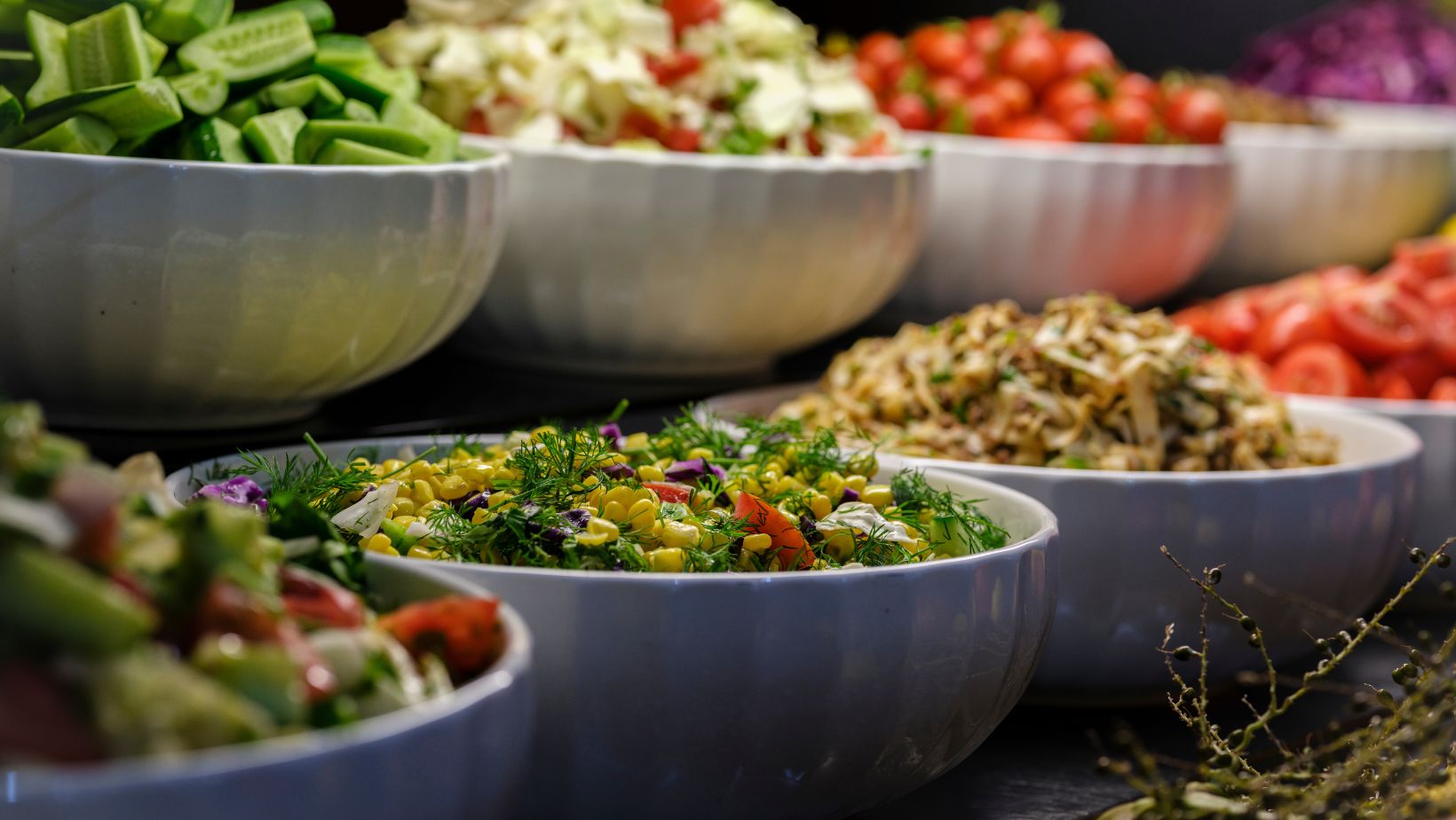 For instance, fermented foods, lentils, and spices used in many cultures offer immense health benefits. The trick is preparation and portioning. By debunking diet misconceptions and presenting facts, we encourage more people to embrace a healthy traditional food lifestyle. For reliable facts and myth-busting around nutrition, resources like the National Institutes of Health – Nutrition Myths provide science-backed clarity.
A well-made traditional meal, balanced with vegetables, lean proteins, and whole grains, is often more nutritious than ultra-processed “diet” alternatives.
10. Technology and Cultural Adaptation: Using Apps and Tools
Technology is a powerful ally in personalized nutrition. Today, cultural diet apps are available that let users log meals in local languages, track traditional dishes, and suggest modifications.
These tools aren’t just convenient—they’re empowering. Nutrition technology helps bridge the gap between modern health tracking and ancestral food patterns.
Virtual coaching also allows for personalized weight loss tools that factor in one’s background, beliefs, and lifestyle, making wellness accessible and inclusive.
11. Long-Term Benefits of a Culturally Respectful Weight Loss Approach
When people feel respected, they thrive. A cultural respect in wellness plans improves adherence and fosters self-trust. No more shame, guilt, or confusion—just clarity and consistency.
That translates to sustainable weight loss, as individuals stick with routines that feel natural and authentic. Emotional well-being also improves—when you don’t have to choose between health and heritage, the process feels empowering.
Ultimately, the result is long-term diet success—not just pounds lost, but identity honored.
12. Conclusion
Culture and health don’t have to be at odds. With awareness, compassion, and the right tools, anyone can navigate the journey of wellness without giving up who they are. By understanding cultural dietary habits, embracing culturally adapted nutrition, and recognizing the nuances of weight loss and culture, we can move toward a more inclusive and sustainable model of health.
13. Frequently Asked Questions (FAQs)
- How can I lose weight without giving up my cultural foods?
By modifying preparation methods and portion sizes, and choosing healthier versions of traditional ingredients. - What if my family doesn’t support my dietary changes?
Open communication and gradual changes can help. Invite them to try healthier versions of familiar dishes. - Are traditional diets unhealthy or outdated?
Not at all. Many are rich in nutrients and only need minor adjustments for better health alignment. - How do I balance social eating with my health goals?
Plan ahead, use moderation, and focus on portion control during social gatherings. - Can mindfulness help me enjoy cultural foods without overindulging?
Yes! Mindful eating helps you stay present and savor each bite, reducing the urge to overeat. - How does Mindful Wellness tailor programs for different cultural backgrounds?
By incorporating cultural preferences, cooking styles, and emotional eating patterns into personalized plans. - How can I handle family pressure to eat traditional foods that don’t fit my diet?
Respectfully explain your goals and offer to help prepare or bring healthier alternatives. - Are there healthier ways to prepare cultural dishes without losing their flavor?
Yes! Baking instead of frying, using herbs instead of heavy sauces, and portion adjustments help retain taste and health. - How can I stay motivated to follow my weight loss plan during cultural festivals?
Set realistic expectations, plan meals ahead, and remember that one meal doesn’t define your journey. - Can I still enjoy cultural celebrations without feeling guilty about my food choices?
Absolutely! Mindful indulgence and balance are key—enjoying traditions without going overboard is entirely possible.
About The Author

 The Case for Refurbished Medical Imaging Equipment Is Stronger Than Ever
  How a Weight Loss Clinic Can Transform Your Health
  When Should You Consult A Professional For A Custom Meal Plan In Hong Kong?
  How to Choose the Right 7OH Brand to Make a Purchase?
  CLL Treatment Options: Targeted Therapy, Chemo, Immunotherapy, and More
  The Essential Guide to Maintaining Better Vaginal Health