
Aging: What PBMCs Reveal About Our Immune System Throughout the Years
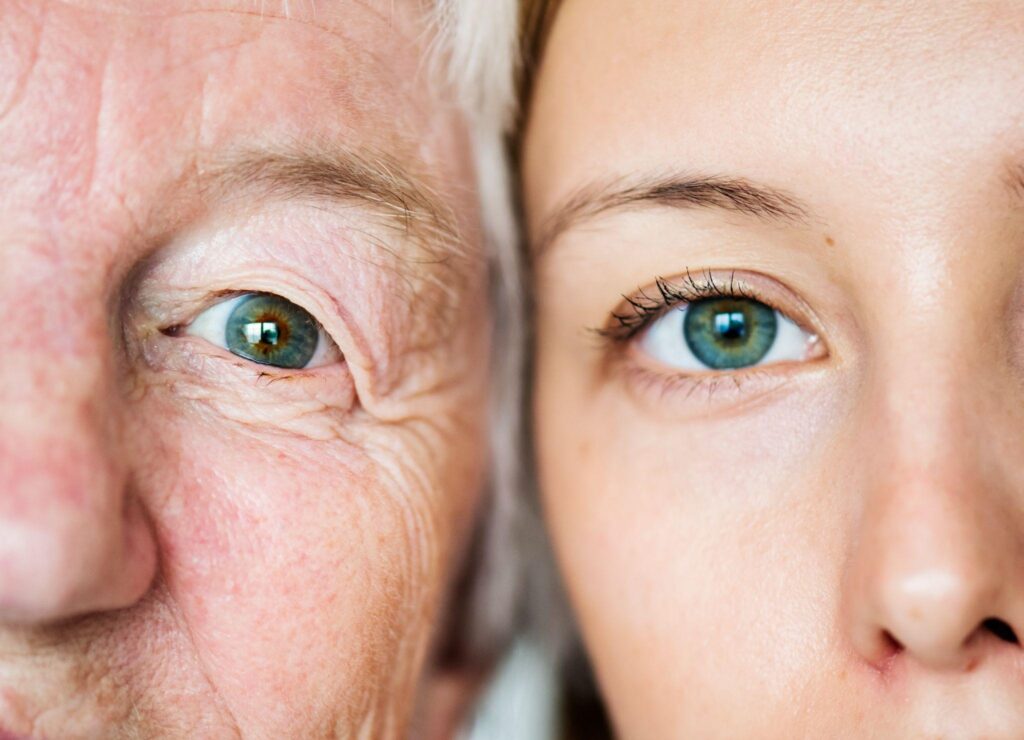
Once you turn 50, your body might feel different. That’s because in the sixth decade of your life, the immune system undergoes many changes. Unfortunately, they’re not positive: the human body continues losing the ability to battle illnesses and diseases, from simple colds to cancer and lupus. Wounds don’t heal as fast, and you might recover a lot longer if you break a bone. And these functions garner a lot of attention in scientific fields.
Researchers have always shown interest in age-related processes. As scientists try to discover new ways to treat age-related complications, they order PBMCs online collected from older individuals. They study the system’s response to therapies and vaccines, showing how important it is to track the immunity dynamics over the years.
What PBMCs Are
Every drop of human blood has white cells — those responsible for our immunity. They are also called peripheral blood mononuclear cells, or PBMCs for short. These biological assets include:
- lymphocytes (T cells, B cells, and NK cells);
- monocytes;
- dendritic cells.
PBMCs are commonly used in clinical research to see how the body might respond to various treatments. Laboratories invest in samples from suppliers like Preci to study immune mechanisms involved in cancer, autoimmune disorders, infection, and aging.
Importance of Tracking the Immunity Dynamics
Researching the changes in the immune system throughout the years is essential for understanding how the aging organism reacts to infections, diseases, and vaccines. Although no aging process is the same and it’s a spectrum rather than a binary, the function of the PBMCs is always dictated by time.
Monocytes, the innate immune cells, are responsible for quick responses within hours and days, while T and B, the adaptive immune cells, change more slowly within years and decades. The latter also have more durable memory responses. This dynamic has a clear link to the context of infections, vaccination, and homeostasis, which are all extremely important in staying healthy and lowering the mortality rate.
How Our Immune System Changes With Time
Aging has a straightforward effect on the immune system. Yet, how the immune cell programming changes from one human to another is still unclear without further research. All we know is that it’s not a linear process. For example, age-associated conditions like cardiovascular or neurodegenerative diseases do not impact older people at the same rate and do not progress in the same way.
Through research, scientists revealed that early differentiated T cells were mostly involved in immune aging. Some memory T-cell populations show relatively limited changes during earlier stages of aging, with more pronounced alterations appearing at advanced ages. These transitions might happen at a more advanced age. Scientific discoveries showcase that getting older is not a steady decline as many imagine, and the process is often shaped by both inner and outer factors.
The body’s response to vaccination also changes with time. Younger people are commonly more responsive to vaccinations of many kinds, no matter what they are, as the immune responses are generally better in healthy adults. But it’s not the same for older people. When scientists studied influenza vaccine responses, they realized it was reduced in aged PBMCs.
These weaker protective responses may be based on age-related transcriptional programming in T cells. Additionally, the same T cells are responsible for immune dysregulation and increased risk for autoimmune diseases.
Immunity-Related Therapies: Considering Your Age
As we age, our bodies constantly change, including the immune system. Although the process of getting old is not linear, our immune response declines nonetheless, allowing for more diseases and a worse reaction to vaccines. Further PBMC research and age considerations are important when creating vaccination and therapy strategies for healthy aging.
About The Author

 Win Warmth: Helpinus Medical Heating Tube Socks Giveaway — How To Enter & Why They Work (2026)
  5G Headache Remedies That Work: Practical Relief And When To Seek Help (2026)
  Stone Age Calisthenics: Helpinus Recap — What Worked, What Didn’t (2026)
  Thynaril Vorkyn: What It Is, How It Works, and What To Know In 2026
  Jay Stallings’ Health Guide: Practical, Evidence‑Backed Steps To Better Health With Helpinus (2026)
  Helpinus: Jay Stallings’ Practical Health Guides For Everyday Wellness (2026 Update)