
What to Do After an Asbestos-Related Diagnosis: A Step-by-Step Guide
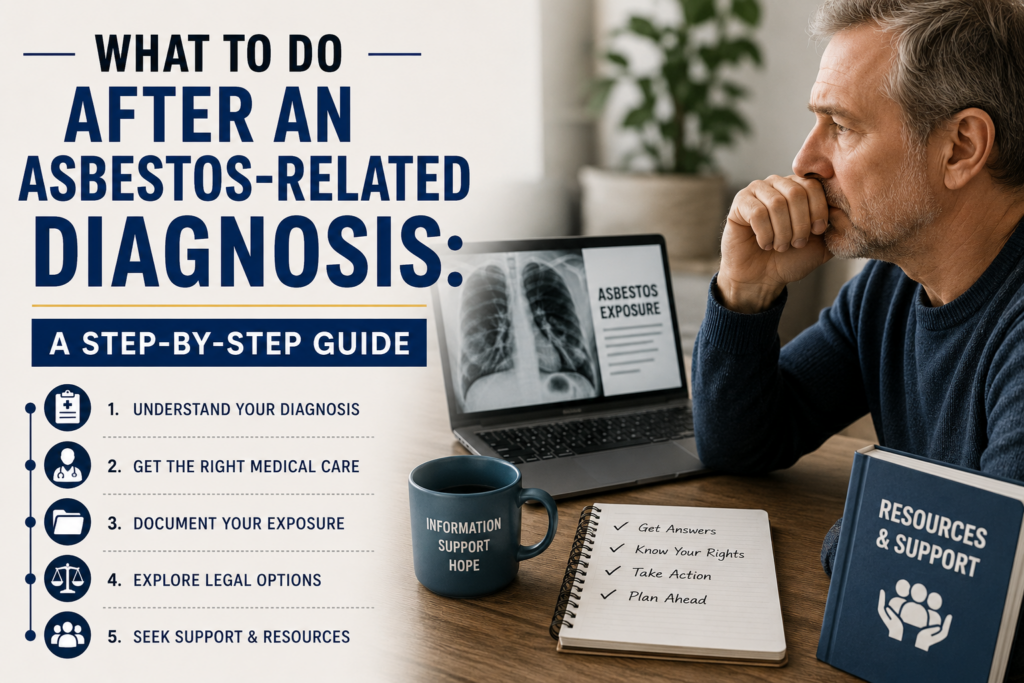
An asbestos-related diagnosis can leave you shocked, confused, and unsure where to begin. You may face medical appointments and questions about how the exposure happened. Taking one step at a time can make the situation be manageable.
You do not have to handle everything alone. Doctors, family members, support groups, and legal professionals can help you make informed choices. Speaking with a madison mesothelioma attorney may also help you understand whether financial compensation could be available.
Every case is different, so your next steps should match your diagnosis, health needs, and situation. The guide below covers practical actions that can help you protect your health, organize important information, and prepare for decisions ahead.
Step 1: Understand Your Diagnosis
Ask your doctor to explain the diagnosis in plain language. Asbestos exposure can cause several illnesses, including mesothelioma, asbestosis, and certain lung cancers. These conditions are different, so knowing the exact diagnosis matters.
Write down the disease name, where it is located, and whether it has spread. Ask what stage it is in and what that means for treatment.
Questions to Ask Your Doctor
Bring a notebook or trusted person to appointments. Useful questions include:
- What tests confirmed the diagnosis?
- What treatment options are available?
- What side effects should I expect?
- Should I see a specialist?
- How quickly must treatment begin?
Step 2: Get a Second Opinion
A second opinion can confirm the diagnosis and may introduce treatment options you have not heard about. This is especially helpful with rare diseases such as mesothelioma because not every doctor has experience treating them.
Look for a specialist who has handled asbestos-related illnesses. The specialist may review scans, biopsy results, and your medical history. In some cases, another doctor may recommend a different treatment plan or clinical trial.
Getting another opinion does not mean you distrust your current doctor. It gives you more information before making major choices.
Step 3: Build a Care Team
Your care team may include an oncologist, lung specialist, surgeon, nurse, radiologist, or pain management provider. Ask who will coordinate your care and answer questions between appointments.
You may also need support with daily tasks. Friends and relatives can help with transportation, meals, childcare, or household work. Accepting help can leave you with more energy for treatment and rest.
Step 4: Gather Important Records
Start collecting copies of your medical documents. Keep them in one folder, binder, or secure digital file.
Important records may include:
- Imaging and scan reports
- Biopsy and pathology results
- Treatment plans
- Medication lists
- Medical bills
- Insurance letters
- Doctors’ contact information
Organized records make it easier to get another opinion, apply for benefits, or speak with a lawyer. They also reduce the chance of losing important details.
Step 5: Think About Past Exposure
Asbestos-related illnesses often appear decades after exposure. You may need to look back at your work history, military service, home renovations, or a family member’s job.
Create a detailed list of every place where asbestos exposure may have occurred. Include employers, job sites, employment dates, job titles, and any products or materials you remember. Small details may become useful later.
Common Exposure Settings
Asbestos exposure was common in construction, shipbuilding, manufacturing, power plants, automotive repair, and insulation work. Family members were sometimes exposed when workers carried asbestos dust home on clothing.
Step 6: Review Financial Support
Treatment may create medical bills, travel costs, and time away from work. Contact your insurance company to learn what is covered and whether approvals are needed.
Ask the hospital about financial counselors or patient advocates. They may help you find payment plans, transportation support, disability benefits, or other programs.
Step 7: Learn About Legal Options
Some people with asbestos-related diseases may qualify for compensation through trust funds, settlements, lawsuits, workers’ compensation, or veterans’ benefits. Eligibility depends on how and where exposure occurred.
Legal deadlines may apply, so it is helpful to learn about your options early. A consultation does not require you to file a claim. It simply helps you understand possible paths.
Step 8: Care for Your Emotional Health
Fear, anger, sadness, and worry are normal after a serious diagnosis. Your emotions may shift from feeling calm one day to feeling overwhelmed the next.
Consider talking with a counselor, social worker, faith leader, or support group. Speaking with people who understand the experience can reduce isolation.
Simple routines may also help. Regular meals, restful sleep, short walks, and time with loved ones can help you feel more grounded.
Conclusion
An asbestos-related diagnosis can change your life, but practical steps can help you regain control. Learn about the illness, seek experienced medical care, organize your records, explore financial help, and understand your legal rights.
You do not need to solve everything at once. Focus on the next decision, ask for help when needed, and surround yourself with people who support your health and peace of mind.
Frequently Asked Questions
How soon should treatment begin?
Timing depends on the illness, stage, symptoms, and treatment plan. Ask your doctor how quickly you need to act.
Should I seek a second opinion?
Yes, especially for a rare illness. A specialist may confirm the diagnosis and explain more treatment choices.
What records should I save?
Keep medical reports, bills, insurance notices, employment history, military records, and notes about possible exposure.
Is compensation guaranteed?
No. Each case depends on the diagnosis, exposure history, responsible companies, location, and legal deadlines.
About The Author

 Win Warmth: Helpinus Medical Heating Tube Socks Giveaway — How To Enter & Why They Work (2026)
  5G Headache Remedies That Work: Practical Relief And When To Seek Help (2026)
  Stone Age Calisthenics: Helpinus Recap — What Worked, What Didn’t (2026)
  Thynaril Vorkyn: What It Is, How It Works, and What To Know In 2026
  Jay Stallings’ Health Guide: Practical, Evidence‑Backed Steps To Better Health With Helpinus (2026)
  Helpinus: Jay Stallings’ Practical Health Guides For Everyday Wellness (2026 Update)