
Touch-Up vs. Full Redo: How Long Cosmetic Dental Work Really Lasts in Raleigh, NC — Lifespan, Cost, and Maintenance Guide
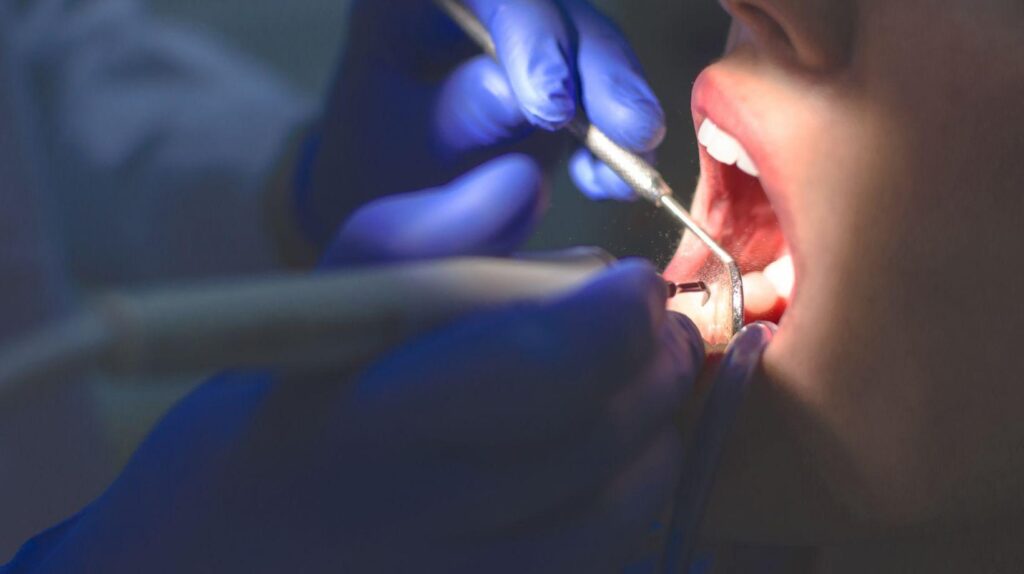
You want a smile that looks natural and lasts, and the choice between a quick touch-up and a full redo matters more than you think.
A touch-up can fix color, small chips, or minor gaps for a few years, while a complete redo—veneers, crowns, or full-mouth restorations—often delivers longer-lasting, more comprehensive results when matched with proper care. This is where cosmetic dentistry in Raleigh, NC offers options tailored to both approaches.
Expect the article to break down which procedures suit short-term fixes versus lasting transformations.
Learn how local factors in Raleigh can influence longevity, and what maintenance or red flags determine when you need a simple refresh or a full replacement.
Fundamentals of Cosmetic Dental Procedures
You’ll learn which treatments address discoloration, shape, alignment, or tooth loss.
Find out what realistic results to expect, and which materials affect longevity and maintenance.
Types of Cosmetic Treatments
Common cosmetic options include teeth whitening, porcelain veneers, composite bonding, Invisalign or clear aligners, crowns, and dental implants.
Whitening brightens natural teeth and typically requires periodic touch-ups.
Veneers cover fronts of teeth to correct color, shape, and minor alignment; they usually replace enamel with a thin ceramic shell.
Composite bonding repairs chips and gaps with tooth-colored resin applied directly and shaped chairside.
Crowns restore severely damaged teeth and can be cosmetic when matched for color and contour.
Implants replace missing teeth with a titanium post plus a ceramic crown, providing both function and a cosmetic result.
Clear aligners move teeth gradually and often serve as a long-lasting alternative to braces for cosmetic alignment.
Purpose and Expected Outcomes
You choose treatments to improve color, proportion, symmetry, or to replace missing teeth.
Expect whitening to lighten natural enamel by several shades but not change restoration color.
Veneers and crowns will alter tooth shape and mask intrinsic stains; they generally give predictable, immediate aesthetic change.
Bonding provides a conservative fix for minor defects but can stain and chip over time.
Implants restore chewing function and prevent bone loss while maintaining adjacent teeth.
Clear aligners produce permanent alignment only if you wear retainers afterward.
Expect a staged treatment timeline and maintenance plan.
Materials Used in Treatments
Ceramic (porcelain and lithium disilicate) and zirconia dominate for veneers, crowns, and implant crowns due to strength and lifelike translucency.
Porcelain offers superior aesthetics; zirconia offers higher fracture resistance for back teeth or thin veneers.
Composite resin used in bonding is less durable and more prone to staining, but it conserves tooth structure and is repairable in-office.
Whitening uses peroxide-based gels delivered in-office or via take-home trays; concentration and exposure time determine longevity.
Implant fixtures use titanium or titanium alloys for osseointegration.
Implant crowns use ceramics bonded to metal or full ceramic, chosen for strength and color match.
Defining Touch-Ups Versus Complete Redos
You’ll learn how small repairs differ from full reconstructions, when each is appropriate, and which clinical and personal factors push a provider toward one choice.
Common Scenarios for Each Approach
A touch-up fits when a single element shows wear: a chipped porcelain veneer, a loosened composite bond on a front tooth, or a stain after bleaching.
These jobs often take one visit and use minimal material.
Costs and chair time stay low compared with replacing an entire restoration.
A complete redo applies when multiple teeth or supporting structures fail: widespread recurrent decay under crowns, ill-fitting crowns that cause bite problems, or aging veneers with margin breakdown.
Redos require full planning, possible impressions, lab work, and several appointments.
Expect higher cost, longer treatment time, and more tooth preparation when you opt for a redo.
How Treatment Goals Influence Choice
If your goal is cosmetic refinement—matching shade, smoothing an edge, or filling a small gap—a touch-up preserves most existing work and focuses on appearance.
You keep existing margins and retain more natural tooth structure if the underlying restoration remains sound.
If your goal is function, longevity, or correcting compromised margins, choose a redo.
Redos address recurring decay, worn occlusion, or structural failure.
They let your dentist redesign contours, replace subpar materials, and reset bite relationships for long-term success.
Patient Assessment and Treatment Selection
Your dentist will evaluate: radiographs for decay beneath restorations, margin integrity, periodontal health, occlusion, and esthetic alignment.
They’ll also review your dental history, habits (bruxism, staining foods), and expectations for lifespan and cost.
Decision-making often follows a simple rule: repair when the substrate and margins are healthy; replace when structural integrity, fit, or function is compromised.
Expect diagnostic photos, study models, and a clear estimate of longevity and maintenance for either path.
Longevity of Dental Work in Raleigh’s Climate
Raleigh’s hot, humid summers and mild winters affect restoration materials, staining risk, and how often you should schedule maintenance.
Local humidity, seasonal diet choices, and typical outdoor activities influence how long crowns, veneers, and whitening results last.
Impact of Local Environmental Factors
Raleigh averages high humidity and summer temperatures often above 85°F.
High humidity can accelerate marginal breakdown for some dental cements and increase microbial growth around restorations if oral hygiene is inconsistent.
That raises your risk of recurrent decay at restoration margins.
Air temperature swings between indoor air conditioning and outdoor heat can cause small dimensional changes in composite and ceramic materials.
Repeated thermal cycling over years may stress bond interfaces, especially on older restorations.
If you spend a lot of time outdoors, consider more frequent checks.
Pollen and airborne particulates don’t harm materials directly, but they can worsen allergies that make you breathe through your mouth.
Chronic mouth-breathing dries enamel and soft tissues, increasing sensitivity and staining that may shorten perceived cosmetic longevity.
Average Lifespan of Materials
Porcelain veneers typically last 10–15 years with good care; high-quality lithium disilicate can reach 15–20 years in many patients.
Composite bonding generally lasts 5–7 years before needing polish, repair, or replacement due to wear and staining.
Crowns vary by material: all-ceramic crowns often last 10–15 years, while well-made zirconia or porcelain-fused-to-metal crowns commonly last 15–20 years.
Dental implants’ prosthetic teeth may need servicing at intervals, though the implant fixture itself can last decades with proper care.
Teeth whitening is the shortest-lived cosmetic treatment—professional in-office results often require touch-ups every 6–24 months depending on your habits.
Ask your dentist about material-specific warranties and typical maintenance timelines for your chosen restoration.
Influence of Diet and Lifestyle
Frequent consumption of coffee, tea, red wine, or dark sodas accelerates extrinsic staining of both natural teeth and composite materials.
If you drink these daily, expect whitening touch-ups more often and faster discoloration of resin-based bonding.
Smoking and vaping speed degradation of resin restorations and deepen stains on porcelain margins.
Tobacco use also impairs healing and raises the chance of gum recession, exposing restoration margins and shortening their effective lifespan.
Bruxism, chewing ice, and opening packages with your teeth apply excessive force that chips ceramic and wears down composite.
If you grind at night, using a custom occlusal guard can extend the life of crowns and veneers substantially.
Regular dental exams let you catch wear patterns early and choose targeted maintenance.
Key Factors Affecting Procedure Durability
Durability depends mainly on the procedure chosen, who performs it, and how you care for the result afterward.
Each factor influences lifespan in concrete ways you can control or verify before treatment.
Treatment Type and Technique
Different procedures carry different lifespans.
Porcelain veneers and well-made crowns typically last 10–15+ years when bonded correctly; composite bonding often needs refurbishment every 5–7 years due to staining and wear.
Professional whitening usually requires touch-ups within 6–24 months depending on your diet and stain exposure.
Technique matters as much as material.
Proper tooth preparation, accurate impressions or digital scans, and correct bonding protocols reduce microleakage and debonding risk.
Ask about the exact materials (e.g., feldspathic vs. e.max vs. zirconia) and cementation method the practice uses so you know what to expect.
Practitioner Skill in Raleigh
Your provider’s experience directly affects outcome longevity.
Look for a dentist who documents case histories, shows before-and-after photos of similar work, and uses a local lab with verifiable standards.
In Raleigh, ask if the practice treats a high volume of cosmetic cases and whether specialists (prosthodontists or cosmetic dentists) consult on complex cases.
Clinical precision—occlusion adjustment, margin fit, and bite equilibration—prevents premature fractures and gum problems.
Confirm continuing education, accreditation, and patient reviews to gauge consistency and complication management.
Maintenance and Follow-Up
Your daily habits determine how long results last.
Brush with a non-abrasive toothpaste, floss daily, and avoid habits like biting ice or opening packages with your teeth.
If you clench or grind, get a custom nightguard; untreated bruxism is a leading cause of veneer and crown failure.
Regular professional checkups matter.
Schedule hygiene visits every 3–6 months if you have restorations prone to staining or decay at margins.
Ask your Raleigh dentist for a written maintenance plan and warranty terms so you understand scheduled touch-ups and what repairs the practice will cover.
Comparing Maintenance Requirements
You will need daily care and scheduled professional appointments tailored to the type of work you have.
Some treatments demand only routine hygiene and occasional touch-ups, while others require stricter protection and more frequent professional oversight.
Daily Oral Hygiene Expectations
Brush twice daily for two minutes using a soft-bristle brush and fluoride toothpaste to protect both natural teeth and restorations.
Floss or use interdental brushes once daily to prevent decay at margins where crowns, veneers, or bonding meet tooth structure.
Avoid abrasive whitening toothpastes and hard scrubbing; they can dull porcelain and wear composite.
Rinse after staining foods and drinks (coffee, red wine, berries).
If you have whitening, expect periodic at-home maintenance trays or touch-up pens depending on initial treatment.
If you grind or clench, wear a nightguard to prevent fractures or accelerated wear on crowns, veneers, and composites.
Don’t use teeth as tools; avoid opening packages or biting hard objects.
For implants, clean around the abutment with a soft brush and low-abrasive paste to prevent peri-implantitis.
Recommended Professional Visits
Schedule a dental exam and prophylaxis every six months unless your dentist prescribes a different interval based on risk.
Hygienist visits remove biofilm and surface stains that at-home care can’t fully address and let the dentist inspect margins and occlusion for early problems.
For whitening, plan a professional retreatment every 6–24 months depending on staining habits and the system used.
Veneers and crowns typically need assessment annually; expect repairs or rebonding if margins show decay or bonding fails.
Implants require periodic peri-implant checks and radiographs—commonly every 6–12 months—to monitor bone levels and soft tissue health.
If you have restorations like composite bonding, anticipate touch-ups every 3–7 years for polishing or partial repairs rather than full replacement.
Signs It’s Time for a Touch-Up or Replacement
Watch for visible surface changes, bite or speech shifts, and any new pain or sensitivity.
These signs help you decide between a simple cosmetic touch-up and a full replacement.
Visible Wear or Discoloration
If your veneers, crowns, or bonding show chipped edges, gray lines at the gum, or surface pitting, you should act before damage worsens.
Small chips or minor surface stains on composite bonding often respond well to a touch-up that resurfaces and re-polishes the material.
When shade mismatch develops—your restoration no longer blends with surrounding teeth after whitening or staining from coffee and wine—touch-up staining or re-shading can fix it.
Choose replacement if you see large fractures, recurrent darkening at the margin (suggesting cement breakdown), or if porcelain has lost integrity.
These require a new prosthesis to restore strength and esthetics.
Functional Changes
Pay attention if chewing feels different, your bite shifts, or food traps form around a restoration.
These functional changes indicate that margins, contacts, or occlusion may be compromised.
Minor contact issues or open margins can sometimes be corrected with adjustments, recontouring, or relining—procedures that count as touch-ups.
Opt for replacement when you repeatedly break restorations, the crown loses retention, or an implant prosthesis shows abutment problems.
Replacing the entire unit restores proper function and prevents further damage to adjacent teeth.
Patient Comfort and Sensitivity
New or worsening sensitivity to hot, cold, or pressure often signals decay beneath a restoration or gum recession exposing margins.
If sensitivity follows a small adjustment or polish, a brief desensitizing treatment or small repair usually resolves it.
Seek full replacement when you experience persistent pain, recurrent infection, or if the restoration irritates soft tissue continuously.
Those symptoms often mean the underlying tooth structure or root needs definitive treatment along with a new restoration.
Typical Costs and Timeframes
Expect modest costs and quick visits for touch-ups, while full redos require larger budgets and multiple appointments.
Insurance, materials, and the complexity of work shift both price and timeline significantly.
Average Investment for Touch-Ups
Touch-ups commonly address tooth shade, small chips, or minor gaps.
In Raleigh, expect in-office teeth whitening at $300–$800, dentist-supervised take-home trays at $150–$400, and composite bonding repairs around $150–$600 per tooth depending on size and location.
Appointments usually take one visit of 30–90 minutes for whitening or 30–60 minutes per bonded tooth.
You may need a short follow-up if sensitivity or bite adjustments occur.
Touch-ups typically last 1–3 years for whitening and 5–10 years for bonding with good care.
Cost Ranges of Full Redos
Full smile redos combine several procedures and range widely by scope.
Expect single crowns at $800–$2,500 each, implants at $2,000–$5,000+ per tooth (including abutment and crown), and veneers at $900–$2,500 per tooth.
A comprehensive makeover often totals $8,000–$50,000+ depending on number of teeth and implant needs.
Timelines run from a few weeks for veneer cases to 6–12+ months for implant-based reconstructions.
Multiple visits include diagnostics, lab fabrication, surgical healing (for implants), and final fittings.
Ask your Raleigh provider for a phased treatment plan and a written timeline.
Insurance Coverage Insights
Dental insurance often covers preventive care fully or at low cost, but cosmetic procedures receive limited coverage.
Policies may pay for medically necessary work—crowns or root canals—up to 50%, subject to annual caps (commonly $1,000–$2,000).
Purely cosmetic services like veneers and whitening are usually excluded.
Confirm coverage before treatment.
Get preauthorization for larger redo plans, itemized estimates, and check waiting periods for major procedures.
Financing options and in-office payment plans frequently bridge gaps when insurance falls short.
Choosing a Cosmetic Dentist in Raleigh, NC
Look for a dentist who combines the right credentials, positive patient experiences, and clear answers during consultations.
Prioritize documented training, consistent local reviews, and specific questions that reveal technique, materials, and follow-up care.
Evaluating Dentist Credentials
Verify state licensure first.
Check the North Carolina State Board of Dental Examiners to confirm the dentist’s license is active and free of sanctions.
Look for advanced training in cosmetic procedures.
Search for memberships or continuing education in organizations like the American Academy of Cosmetic Dentistry (AACD) or coursework in veneers, bonding, and implant restorations.
Ask about experience with the exact procedure you need.
Request before-and-after photos or case studies from the practice showing outcomes on patients with issues similar to yours.
Confirm in-office technology and lab partnerships.
Digital scanners, intraoral cameras, and relationships with reputable dental labs improve accuracy and shade matching.
Importance of Patient Reviews
Read multiple review sources: Google, Yelp, and local sites like ThreeBestRated or CityVetted provide different perspectives.
Compare recent reviews for patterns about longevity, follow-up care, and comfort.
Focus on comments about longevity and touch-ups.
Reviews that mention how long veneers, whitening, or bonding lasted give practical insight beyond single-procedure success.
Watch for clinic-level trends: communication, appointment scheduling, and post-procedure support.
A clinic that responds promptly to complications or offers warranties and touch-up policies scores higher for long-term care.
Balance quantity and quality.
A few detailed reviews from long-term patients weigh more than many brief five-star comments.
Questions to Ask During Consultations
Ask specifically which materials they use and why — e.g., porcelain veneer brands, composite types, or ceramic crowns.
Different materials affect durability and aesthetics.
Request a treatment timeline and maintenance plan.
Ask how often you’ll need polishing, re-gluing, or shade touch-ups, and what voids warranty coverage.
Clarify the experience level of the person doing the work.
Will the primary dentist place and finish the restoration, or will an associate or lab technician handle critical steps?
Get a written estimate and a list of risks and alternatives.
Ask about contingency plans for complications and whether the practice documents consent and photographs before treatment.
If needed, inquire about financing, sedation options, and follow-up appointment frequency.
These logistics affect your real-world experience and the likelihood of a successful long-term result.
Best Practices for Prolonging Results
Focus on daily habits, targeted food choices, and the right preventive products to extend the life of veneers, crowns, bonding, implants, and whitening.
Small, consistent actions—both at home and when you see your dentist—make the biggest difference.
Protective Habits
Wear a custom nightguard if you grind or clench; this prevents fractures and wear on veneers, crowns, and composite bonding.
Ask your dentist in Raleigh for an occlusal guard molded to your bite rather than an over-the-counter device.
Avoid using your teeth as tools.
Cut tape, open packages, or crack shells with scissors or pliers instead of biting them.
This reduces chipping risk for porcelain and composite restorations.
If you play contact sports, use a fitted athletic mouthguard.
Replace it when it shows wear.
Schedule regular checkups every 6 months or sooner after any dental trauma so small problems get fixed before they require full redo.
Dietary Recommendations
Limit acidic drinks like soda, citrus juices, and energy drinks to protect bonding and the surface glaze of veneers and crowns.
When you do consume them, rinse with water and wait 30–60 minutes before brushing to avoid brushing softened enamel or restorative margins.
Reduce staining agents: coffee, black tea, red wine, and tobacco.
If you can’t cut them out, drink through a straw for beverages and rinse with water afterward.
Consider touch-up whitening every 6–12 months rather than frequent at-home bleaching that can weaken restorations.
Eat crunchy raw fruits and vegetables for natural cleaning, but avoid extremely hard items like ice, hard candy, or unpopped popcorn kernels.
These items can fracture porcelain and dislodge bonded material.
Use of Preventive Products
Use a soft-bristled toothbrush and a non-abrasive toothpaste labeled “low abrasion” or with an RDA under 70. Abrasive toothpastes wear down composite margins and polish on veneers faster.
Choose a fluoridated toothpaste. If your dentist recommends it, apply a prescription-strength fluoride gel or varnish to strengthen tooth structure around restorations.
Use an alcohol-free antiseptic mouthwash to reduce dry mouth and bacterial load without degrading bonding agents.
Consider a mineral-replenishing product such as a calcium/phosphate rinse or casein phosphopeptide-amorphous calcium phosphate (CPP-ACP) paste if your dentist advises it. These can help remineralize margins and slow decay that leads to restoration failure.
About The Author

 Win Warmth: Helpinus Medical Heating Tube Socks Giveaway — How To Enter & Why They Work (2026)
  5G Headache Remedies That Work: Practical Relief And When To Seek Help (2026)
  Stone Age Calisthenics: Helpinus Recap — What Worked, What Didn’t (2026)
  Thynaril Vorkyn: What It Is, How It Works, and What To Know In 2026
  Jay Stallings’ Health Guide: Practical, Evidence‑Backed Steps To Better Health With Helpinus (2026)
  Helpinus: Jay Stallings’ Practical Health Guides For Everyday Wellness (2026 Update)