
Dental Botox in Las Vegas: What It Treats and Who It’s Right For — Expert Uses, Benefits, and Patient Guide
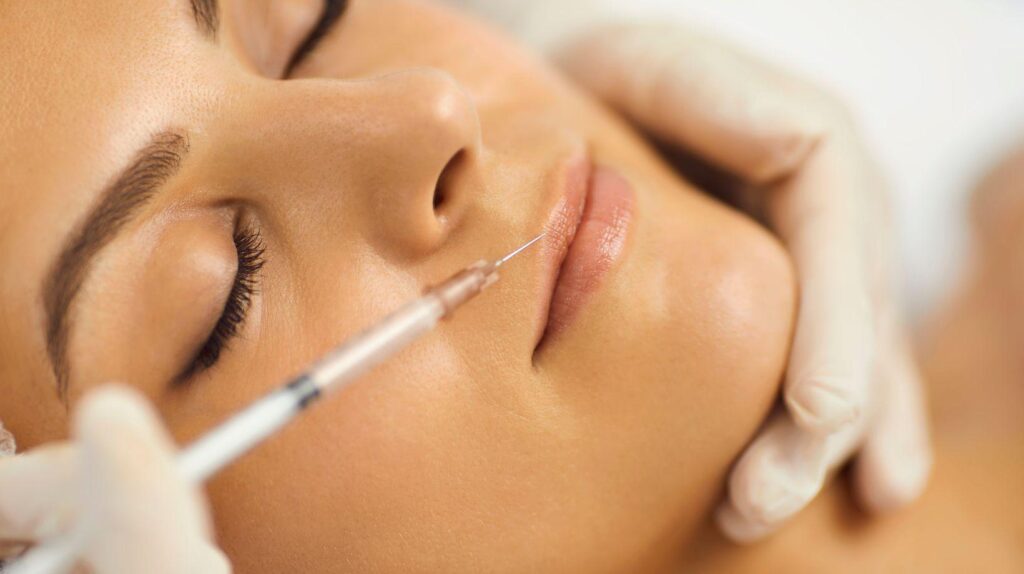
If you struggle with jaw pain, teeth grinding, or unwanted facial lines, dental botox in Las Vegas can offer targeted relief and aesthetic improvement with minimal downtime.
You can expect muscle-relaxing injections that reduce TMJ pain and bruxism while also smoothing wrinkles and balancing facial proportions when performed by a qualified dental professional.
This article will explain how dental Botox works, which medical and cosmetic issues it treats, who makes a good candidate, what to expect during treatment, and how to choose a trusted Las Vegas provider.
Understanding Dental Botox
Dental Botox reduces muscle overactivity and relieves pain from conditions like bruxism and TMJ.
It also alters facial lines and muscle resting position, with effects that are temporary and dose-dependent.
How Dental Botox Differs from Cosmetic Botox
Dental Botox targets masticatory and perioral muscles to change function rather than primarily to change appearance.
You receive injections into muscles such as the masseter, temporalis, or lateral pterygoid to reduce clenching, reposition the jaw, or decrease bite force.
Cosmetic Botox typically targets forehead, glabellar, and crow’s feet muscles mainly for wrinkle reduction.
Dosing and injection patterns differ: dental treatments use lower or more precisely placed units per muscle compared with some cosmetic protocols.
Your dentist evaluates bite, muscle bulk, and pain patterns to map injection sites, not just skin creases.
Follow-up often focuses on functional outcomes — less pain, fewer headaches, and reduced tooth wear — rather than solely aesthetic changes.
Mechanism of Action
Botulinum toxin blocks acetylcholine release at the neuromuscular junction, which reduces muscle contractions.
You’ll notice muscle relaxation starting within a few days and peaking around two weeks; effects usually last 3–4 months depending on dose and muscle size.
Reduced contraction lowers abnormal loading on the TMJ and teeth, which can decrease pain, muscle tenderness, and enamel wear from grinding.
The treatment does not change joint structure; it modifies muscle forces to allow healing and symptom relief.
You may require repeat injections to maintain functional benefits, and clinicians titrate doses based on your symptom response and any side effects.
Types of Botulinum Toxin Used
Several botulinum toxin formulations are available; the most commonly used in dental settings are onabotulinumtoxinA (Botox®) and abobotulinumtoxinA (Dysport®).
Each product differs in unit potency, diffusion characteristics, and recommended dosing, so units are not interchangeable between brands.
Your provider chooses a formulation based on clinical experience, desired diffusion, and dosing precision.
They document brand, lot number, and units used.
If you switch products between sessions, expect dose adjustments and careful monitoring for efficacy and side effects.
Medical Conditions Treated with Dental Botox
Dental Botox can reduce muscle overactivity, ease pain from repetitive clenching or chewing, and decrease frequency of muscle-related headaches.
Providers target specific facial and masticatory muscles to produce measurable changes in muscle tension, bite force, and pain signals.
TMJ Disorders
You may experience TMJ (temporomandibular joint) symptoms from muscle hyperactivity, joint inflammation, or abnormal joint loading.
Botox injections into the masseter, temporalis, or lateral pterygoid muscles can reduce excessive muscle contraction that worsens joint compression and clicking.
Typical goals for treatment include lowering muscle tone to reduce joint pressure and decreasing frequency of painful jaw movements.
Improving mouth opening and closing comfort is also a goal.
Expect effects to appear within several days and peak at 2–4 weeks.
Results last about 3–4 months for most patients, so repeat injections are commonly scheduled every 3–6 months depending on symptom recurrence and functional response.
Bruxism and Teeth Grinding
If you grind or clench your teeth, Botox can weaken the overactive muscles that generate high bite force.
Targeting the masseters and sometimes the temporalis lowers contraction intensity and can reduce tooth wear, sensitivity, and enamel fracture risk.
You should consider Botox when traditional measures—nightguards, behavior modification, or stress management—haven’t sufficiently controlled damage or pain.
Clinicians typically inject measured units into bilateral masseters and adjust dose based on muscle size, strength, and prior response.
Monitor for modest changes in chewing strength and speak with your provider about balancing functional needs with symptom relief.
Chronic Jaw Pain
Chronic jaw pain often stems from persistent muscle spasm, referred myofascial pain, or combinations of muscular and joint sources.
Botox interrupts the pain cycle by decreasing sustained muscle contraction and reducing nociceptive input from trigger points in the masticatory muscles.
Treatment targets include masseter, temporalis, and accessory muscles identified on exam.
You may notice reduced pain at rest and during use of the jaw, and fewer headache days when muscular sources are involved.
Discuss comorbid factors—dental occlusion, sleep bruxism, or central pain sensitization—with your provider to ensure Botox fits into a broader, multimodal management plan.
Aesthetic Solutions with Dental Botox
Dental Botox offers targeted ways to refine how your smile and lips look and move, using small injections to relax specific muscles and change the position or exposure of soft tissues.
Gummy Smile Correction
If your upper gums show too much when you smile, Botox can reduce the elevation of the upper lip by weakening the levator labii superioris and related muscles.
Providers typically inject small doses into precise points above the lip; you’ll notice reduced gum exposure within 3–14 days and results lasting about 3–4 months.
You should expect a conservative dosing strategy to avoid an overly drooped lip.
Treatment plans often start with a low dose and add more at a follow-up if needed.
Risks include temporary asymmetry, mild bruising, or weakened smile strength; an experienced dental injector minimizes these by using anatomical landmarks and incremental dosing.
Lip and Smile Adjustments
Botox can soften tightness that pulls the corners of your mouth down (marionette lines) or reduces a hyperactive upper lip that causes asymmetry.
For downturned corners, small injections near the depressor anguli oris relax downward pull, allowing elevating muscles to restore a more neutral mouth angle.
You’ll receive a tailored injection map based on your facial muscle activity and dental occlusion.
Effects emerge within days and last several months.
Possible side effects include temporary firmness or mild weakness; proper placement and dosing by a dentist experienced in facial anatomy reduces these issues.
Ideal Candidates for Treatment
Dental Botox often suits patients with muscle-related dental problems and those seeking targeted cosmetic smoothing.
You should consider your specific symptoms, medical history, and treatment goals when deciding if it fits your needs.
Who Benefits Most
You are a strong candidate if you have chronic jaw muscle pain, frequent teeth grinding (bruxism), or TMJ-related headaches that have not responded well to oral appliances or conservative therapies.
Dentists use Botox to reduce masseter and temporalis muscle activity, which can lower clenching force and relieve muscle-triggered pain.
Patients with asymmetric jaw contours from hypertrophic masseters can expect measurable slimming effects after a series of injections.
Results usually appear within 1–4 weeks and last 3–6 months.
You should also be considered when you want minimally invasive cosmetic improvement for dynamic lines around the lower face that relate to muscle contraction.
Candidates must have realistic expectations and be willing to follow post-treatment instructions, such as avoiding massage of the area for 24 hours.
Contraindications and Precautions
Do not receive dental Botox if you have a known allergy to botulinum toxin or any formulation components, or if you have an active infection at the intended injection site.
Tell your provider if you are pregnant, breastfeeding, or planning pregnancy; many practitioners avoid treating during pregnancy due to limited safety data.
Neuromuscular disorders—like myasthenia gravis or Lambert-Eaton syndrome—raise the risk of systemic weakness from toxin exposure, so Botox is typically contraindicated or requires specialist consultation.
Review your medications with your dentist, especially aminoglycoside antibiotics, anticoagulants, or drugs that affect neuromuscular transmission, which can alter Botox’s effects or bleeding risk.
If you have prior adverse reactions to cosmetic injectables or an autoimmune condition, schedule a detailed medical evaluation and informed consent discussion before treatment.
The Treatment Process
You will have a focused evaluation, a quick in-office injection visit, and a predictable short recovery.
Each step targets your specific symptoms—jaw pain, teeth grinding, or facial muscle overactivity—and aims to reduce muscle hyperactivity while preserving function.
Consultation and Evaluation
Your first visit will include a medical history review and a focused orofacial exam.
Expect questions about prior Botox use, medications (especially blood thinners), neuromuscular disorders, and pregnancy status.
The clinician will palpate your masseters, temporalis, and surrounding muscles to locate areas of hypertrophy or tenderness.
They may ask you to clench or open wide while observing muscle bulk and dental wear patterns.
Some clinics use photos and measurements of jaw width or EMG in complex cases.
You should bring a list of current medications and recent dental records.
This visit defines treatment goals, injection sites, dose ranges, and any contraindications.
Procedure Overview
You will receive injections in targeted facial muscles while seated in the dental chair.
The provider marks injection points—commonly the masseter for bruxism and lateral pterygoid or temporalis for TMJ-related pain—and uses a fine needle to deliver small doses of Botox.
A typical session lasts 10–30 minutes depending on the number of sites.
Providers generally start with conservative dosing (e.g., 20–50 units per masseter, adjusted per muscle size and symptoms).
You may feel brief stinging or pressure; topical anesthetic or ice can reduce discomfort.
Treatment plans often schedule a follow-up at 2 weeks to assess effect and adjust dosing.
Repeat treatments are commonly offered every 3–6 months based on symptom return and functional needs.
Aftercare and Recovery
You can usually resume normal activities immediately, but avoid rubbing or massaging injection sites for 24 hours.
Skip strenuous exercise and saunas for the first 24–48 hours to reduce spread of toxin.
Expect initial changes within 3–5 days and peak effects by 2 weeks.
Mild side effects include localized bruising, temporary weakness in nearby muscles, or slight asymmetry; these typically resolve within days to weeks.
Report persistent swallowing or speech changes, difficulty breathing, or progressive facial droop promptly.
Your provider will document dosing and plan maintenance visits to monitor long-term outcomes and adjust treatment intervals.
Benefits and Considerations
Botox in a dental setting can reduce jaw muscle activity, relieve pain from clenching or TMJ, and soften facial lines that affect your smile.
You should weigh likely functional improvements against temporary effects and possible adverse reactions.
Expected Results
You can expect reduced masseter or temporalis muscle strength within 3–14 days after injections, with peak effect around two weeks.
That reduction often lessens teeth grinding, decreases jaw soreness, and can lower the frequency of tension-type headaches linked to muscle hyperactivity.
Cosmetic improvement—subtle narrowing of a wide lower face and softer perioral lines—appears gradually and may require touch-ups.
Most patients notice benefits lasting 3–6 months.
Your dentist will typically start with conservative dosing and target specific muscles to balance function and appearance.
Documented improvements are individual: factors such as dose, injection sites, muscle mass, and metabolic rate affect outcome.
Potential Risks and Side Effects
Common side effects are usually mild and short-lived: localized bruising, injection-site soreness, temporary weakness of nearby muscles, or mild asymmetry.
These typically resolve within days to a few weeks.
Less common risks include difficulty chewing if the toxin spreads to unintended muscles, transient smile or lip asymmetry, and dry mouth.
Rare systemic reactions—such as allergic response or generalized muscle weakness—are uncommon but require immediate medical attention.
You should disclose medical history, medications (especially neuromuscular blockers or anticoagulants), pregnancy status, and prior adverse reactions before treatment.
Choosing a licensed dental professional experienced in facial anatomy reduces risk and helps ensure proper dosing and injection technique.
Selecting a Dental Botox Provider in Las Vegas
Choose a provider who combines licensed training with hands-on experience and clear communication.
Focus on credentials, procedure setting, and specific answers to questions about safety, outcomes, and aftercare.
Credentials and Experience
Verify that the injector is a licensed dentist or medical professional with documented Botox training for facial and therapeutic uses.
Look for certificates in orofacial pain, TMJ management, or cosmetic facial injections from recognized organizations.
Check how long the provider has offered dental Botox and ask how many similar procedures they perform monthly.
Experience with masseter injections, TMJ-related protocols, and peri-oral treatments matters more than generic cosmetic experience.
Confirm the clinic setting: dental office accreditation, emergency protocols, and proper sterile technique reduce risk.
Read patient reviews that mention realistic results and follow-up care.
Request before-and-after photos of cases like yours.
Questions to Ask Your Dentist
Ask if they will perform a face and bite exam, including assessment of muscle activity, joint function, and dental occlusion. This helps determine whether Botox addresses the root issue or only masks symptoms.
Request specifics on the product and dosing: which botulinum toxin brand, total units per muscle, and rationale for those doses. Ask how they customize dosing for female vs. male musculature or bruxism severity.
Clarify risks, side effects, and the expected timeline for onset and duration of effect. Ask about follow-up visits, cost per treatment area, and their policy on touch-ups or complications.
If you have TMJ pain, request conservative alternatives. Ask for evidence supporting Botox efficacy in your exact diagnosis.
About The Author

 Win Warmth: Helpinus Medical Heating Tube Socks Giveaway — How To Enter & Why They Work (2026)
  5G Headache Remedies That Work: Practical Relief And When To Seek Help (2026)
  Stone Age Calisthenics: Helpinus Recap — What Worked, What Didn’t (2026)
  Thynaril Vorkyn: What It Is, How It Works, and What To Know In 2026
  Jay Stallings’ Health Guide: Practical, Evidence‑Backed Steps To Better Health With Helpinus (2026)
  Helpinus: Jay Stallings’ Practical Health Guides For Everyday Wellness (2026 Update)