
7 Things to Know Before Getting Dental Implants in Cleveland, Ohio — What to Expect, Costs, and Recovery
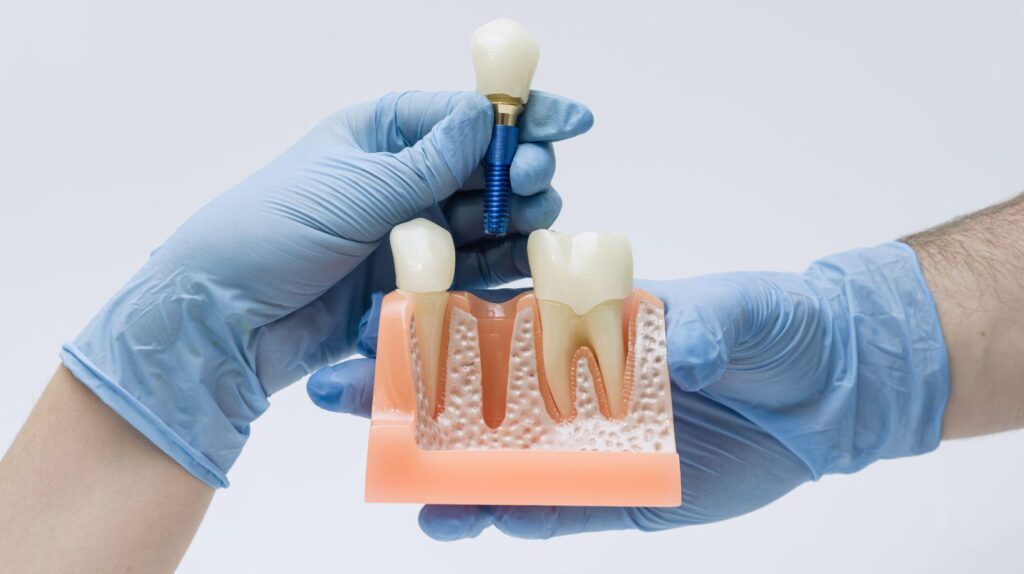
Getting dental implants in Cleveland can restore your smile and chewing ability. You need clear facts to decide whether the procedure fits your health, budget, and lifestyle.
Know whether you qualify, what the surgery and recovery will involve, and how costs and local specialists shape your options before you commit. If you’re weighing your choices, affordable dental implants in Lyndhurst, Ohio offer nearby patients the same quality of care found in Cleveland’s broader dental community.
This article walks through evaluating candidacy, understanding the surgical steps and aftercare, comparing costs and financing, picking a qualified implant value, comparing costs and financing, picking a qualified implant team in Cleveland, and weighing risks and long-term maintenance. You can make a confident, practical choice.
Evaluating Your Candidacy
You need to know whether your overall health, jawbone strength, and age align with predictable implant success. These factors determine the tests, referrals, and preparatory treatments you may need before implant placement.
Common Health Requirements
Your general health affects healing and long-term implant stability. Conditions that impair healing—uncontrolled diabetes, recent heart attack, or active cancer treatment—often require medical clearance or delay of implant work.
Smoking and heavy alcohol use increase risk of implant failure. Quitting at least several weeks before surgery and during healing improves outcomes.
Medications matter too: bisphosphonates and certain immunosuppressants can complicate bone healing and might prompt a specialist consult. Your dentist will review medical records, take blood pressure, and possibly order labs.
Be prepared to provide a complete medication list and contact information for any treating physicians.
Assessing Jawbone Density
Adequate bone volume and quality are critical because implants rely on osseointegration with the jaw. Your clinician will use 3D imaging—usually a cone beam CT—to measure bone height, width, and density at the intended implant site.
These scans reveal whether you need bone grafting, sinus lift, or narrower implants. If your jaw shows atrophy from long-term tooth loss, grafting with autograft, allograft, or synthetic material can rebuild volume.
This adds months to treatment. Expect the imaging appointment to yield a clear treatment plan with timelines and alternatives, such as angled implants or shorter fixtures when grafting isn’t feasible.
Age Considerations for Implants
Age alone rarely excludes you from implants. Healing capacity and bone quality matter more than chronological years.
Younger patients must have finished facial growth—typically after the late teens—to avoid implant position changes over time. Your dentist may request hand-wrist X-rays or growth assessments if growth is a concern.
For older adults, common concerns include medication interactions, slower bone remodeling, and higher prevalence of chronic conditions. These issues require careful coordination with your physician but do not automatically disqualify you.
If you manage chronic disease well and maintain good oral hygiene, implants remain a reliable option at most ages.
Understanding the Procedure
You’ll learn how implants are placed step-by-step. 3D imaging guides exact positioning, and your Cleveland dentist may recommend specific implant types based on bone and smile goals.
Stages of Implant Placement
The process usually starts with a consult and CBCT scan to evaluate bone volume and nerve locations. Your clinician will plan implant size and position from those images before scheduling surgery.
On surgery day, a local anesthetic or IV sedation is used. The implant (a titanium post) is placed into the jawbone through a small incision; you may receive a temporary crown or healing cap depending on the case.
Osseointegration — the implant fusing to bone — typically takes 3–6 months. After adequate healing, an abutment is attached and a custom crown, bridge, or denture is secured.
If bone grafting or sinus lift is required, expect additional healing time and staged procedures.
Role of 3D Imaging and Planning
CBCT (cone-beam CT) gives a 3D view of your jaw, sinuses, and nerve canals so implant position avoids vital anatomy. Your surgeon uses this data to select implant length, diameter, and angulation tailored to your bone.
Digital planning lets the team fabricate a surgical guide that fits over your teeth and directs the drill for precise placement. That reduces surgical time, improves prosthetic fit, and lowers the chance of complications like nerve injury or sinus penetration.
For complex cases, clinicians perform virtual restorative planning first, then place implants to support the final crown shape. This “restorative-driven” approach helps ensure the implant supports an esthetic, functional tooth.
Types of Dental Implants Offered
Endosteal implants (titanium screws placed in bone) are the most common option in Cleveland practices. They work for single crowns, implant-supported bridges, and fixed or removable dentures.
Zirconia implants provide a metal-free alternative for patients with metal sensitivities or specific esthetic preferences. Discuss long-term data and case selection with your dentist, as availability and suitability vary by provider.
For patients with low bone height in the back of the upper jaw, sinus lift plus standard implants is common. In severely resorbed jaws, your clinician may recommend bone grafting, zygomatic implants, or All-on-4/All-on-X concept to support a full-arch prosthesis.
Anticipating Costs and Financing
Expect single implants in Cleveland to commonly fall between several thousand dollars and higher for more complex care. You’ll also encounter additional fees for imaging, grafts, and temporary restorations that affect the final bill.
Average Price Range in Cleveland
A single implant (implant + abutment + crown) typically ranges from about $3,000 to $5,000 in Ohio markets. Cleveland providers often fall near that band.
Full-arch solutions such as All-on-4 or All-on-6 usually start around $20,000+ per arch. Some practices advertise lower bundled prices when they control lab work in-house.
Ask clinics for an itemized estimate that separates:
- implant fixture,
- abutment,
- crown,
- imaging (CBCT/X-ray), and
- preparatory procedures (extraction, bone graft, sinus lift).
This breakdown helps you compare true costs between offices rather than headline prices.
Insurance and Financing Options
Most dental insurance plans do not fully cover implants. They may cover portions like extractions or crowns.
Confirm with your insurer whether they consider implants “major restorative” and what percentage they reimburse. Common financing routes in Cleveland include:
- CareCredit or medical credit cards (3–24 month no-interest offers sometimes),
- In-house payment plans offered by some implant-focused clinics, and
- Third-party dental lenders that spread payments over 36–84 months.
Request written financing terms, including APR, monthly payment, and penalties. Ask the clinic about promotional pricing, what’s included, and whether financing requires a down payment.
Factors Affecting Total Cost
Pre-treatment needs—extractions, bone grafts, sinus lifts, and periodontal therapy—can add $200 to several thousand dollars per procedure. Complex anatomy or need for a CT scan increases planning costs and operative time.
Material and lab choices matter: titanium or zirconia implants and stock versus custom abutments/crowns change pricing. Surgeon experience and whether the practice uses an in-house lab or outsources prosthetics will affect both price and timeline.
Location and clinic model also influence cost. Practices that perform full workflows (surgery to final prosthetic) under one roof can offer bundled discounts, while referral-based care may split bills across providers.
Get a written treatment plan with timelines and a clear list of possible add-on charges.
Choosing a Qualified Specialist
You should pick a clinician whose training, credentials, and case history match the complexity of your treatment. Focus on verifiable qualifications, documented outcomes, and how the practice handles planning, imaging, and complications.
Credentials to Look For
Look for an oral and maxillofacial surgeon, periodontist, or prosthodontist for implant placement and restoration. These specialists complete additional residency or fellowship training beyond dental school that concentrates on implants, bone grafting, and soft-tissue management.
Verify board certification or membership in professional organizations such as the American Board of Oral and Maxillofacial Surgery, American Board of Periodontology, or American Board of Prosthodontics. Ask to see continuing education records for courses in implant systems, digital planning, and guided surgery.
Request copies of licenses and malpractice history if available. Confirm the clinic uses advanced imaging (CBCT) and CAD/CAM workflows; those technologies reduce surprises and improve prosthetic fit.
Experience With Complex Cases
Ask how many implant surgeries the specialist performs monthly and for examples of cases like full-arch restorations, sinus lifts, and ridge augmentation. Request before-and-after photos, 3D imaging records, and patient references for similar procedures.
Confirm the clinician manages complications such as implant failure, peri-implantitis, nerve proximity, or insufficient bone volume. Inquire whether they perform staged treatments (grafting then implants) versus same-day protocols and the success rates for each approach.
Check whether the practice collaborates with restorative dentists and labs for final crown, bridge, or denture design. Integrated workflows—shared planning, surgical guides, and coordinated follow-up—reduce rework and improve long-term outcomes.
Recovery and Aftercare Expectations
Expect a staged recovery: initial bleeding and swelling for 24–72 hours, gradual bone and gum healing over months, and stepwise diet and hygiene changes. Follow your surgeon’s written instructions, attend scheduled follow-ups, and contact your provider for worsening pain, fever, or heavy bleeding.
Typical Healing Timelines
Your mouth will show the fastest change in the first week. Bleeding and most swelling peak 24–48 hours and usually subside by day 3 to 7.
Stitches (if used) often dissolve or are removed within 7–14 days. Soft-tissue (gum) healing completes in roughly 2–4 weeks, but the implant’s osseointegration—the bone fusing to the implant—takes longer.
Expect 3–6 months for reliable bone integration in standard cases. If you had bone grafting or sinus lift, plan for 4–9 months before final restoration.
Your provider will schedule interim checks and a final appointment to place the crown or prosthesis after confirmed integration. Smoking, uncontrolled diabetes, or poor oral hygiene can extend these timelines.
Essential Post-Op Instructions
Follow these basics for the first 72 hours: rest, keep your head elevated, and avoid vigorous rinsing or spitting. Bite gently on gauze to control bleeding; change gauze every 30–60 minutes until bleeding slows.
Use prescribed antibiotics and pain medication exactly as directed. Apply cold packs to reduce swelling for 15 minutes on/15 minutes off during the first 48 hours.
Start gentle saltwater rinses (½ teaspoon salt in 8 oz of warm water) 24 hours after surgery, 3–4 times daily. Avoid smoking, drinking through a straw, heavy lifting, and hard or crunchy foods for at least 1–2 weeks.
Maintain a soft-food diet (yogurt, mashed potatoes, smoothies without straws) and keep adjacent teeth clean with careful brushing and interdental cleaning per your clinician’s guidance.
Managing Temporary Discomfort
You will feel soreness, pressure, and numbness as anesthesia wears off. Use recommended NSAIDs or prescribed analgesics; take the first dose before the local anesthetic completely fades if advised by your surgeon to preempt pain.
Swelling and bruising are normal—ice first 48 hours, then warm compresses after 72 hours if needed. If you notice increasing pain, spreading redness, fever >100.4°F (38°C), pus, or numbness that worsens, contact your Cleveland dental surgeon immediately.
For sensitivity or minor bleeding while chewing, avoid the area and choose bland, cool foods. Follow any temporary prosthesis care instructions to prevent pressure on the implant site.
Potential Risks and Complications
Dental implants carry specific risks you should know: early signs that require prompt attention, and measures you can take before and after surgery to lower infection chances. Understanding these points helps you respond quickly and protect your investment.
Recognizing Early Warning Signs
Watch for persistent pain that does not improve with prescribed pain medication after 72 hours; this can indicate failed osseointegration or an infection. Sudden loosening of the implant, swelling that worsens instead of subsiding, or worsening bite alignment are other red flags that need prompt evaluation.
Bleeding that continues beyond 24 hours or develops anew after initial healing warrants a call to your surgeon. Numbness, tingling, or altered sensation in the lip, chin, or tongue after placement suggests possible nerve involvement and should be assessed immediately.
Also monitor for chronic bad taste or pus discharge from the implant site—signs consistent with peri-implantitis. Document symptoms with photos and timestamps, then contact your dental office or oral surgeon right away.
Early intervention often allows conservative treatment like antibiotics, debridement, or adjustment rather than implant removal.
Reducing the Risk of Infection
Follow pre-op instructions precisely: stop smoking as advised, complete any prescribed antibiotics if your surgeon recommends them, and disclose medical conditions such as diabetes or immunosuppression. These factors raise infection risk and change your surgeon’s approach.
Maintain strict oral hygiene after surgery: use a soft-bristled brush, prescribed antiseptic mouth rinse (e.g., chlorhexidine if given), and avoid disrupting sutures. Attend scheduled follow-ups so your clinician can remove sutures, check soft-tissue healing, and intervene early if inflammation appears.
Limit activities that increase blood pressure or risk of trauma during the first week—no heavy lifting, no vigorous rinsing, and avoid hard or crunchy foods. If your surgeon places bone grafts or sinus lifts, expect a slightly higher infection risk and a longer antibiotic or monitoring plan; follow those specific instructions closely.
Long-Term Results and Maintenance
Dental implants commonly last many years and often decades when you maintain them properly. Expect high success rates, but understand implants are not maintenance-free and can fail if neglected.
You should follow a daily routine: brush twice a day with a soft-bristled brush, floss or use interdental cleaners around the implant, and avoid hard or sticky foods that could stress the restoration. Tobacco use and uncontrolled diabetes raise the risk of complications like peri-implantitis, so address those risk factors with your provider.
Plan regular professional care. See your dentist or periodontist for checkups and cleanings every 3–12 months depending on your oral health.
Professionals monitor bone levels, gum health, and implant stability with clinical exams and occasional X-rays. Common long-term issues include peri-implant mucositis (inflamed gums) and peri-implantitis (bone loss).
Early detection improves outcomes, so report swelling, bleeding, or mobility promptly.
Maintenance checklist
- Daily: brush, clean between teeth/implant, avoid tobacco
- Every 3–12 months: professional exam and cleaning
- As needed: X-rays to assess bone and implant position
Costs and repairs can arise over time. Prosthetic parts (crowns, abutments) may need replacement after years of wear, while the implant fixture often remains stable if bone and gum health are preserved.
Unique Considerations in Cleveland, Ohio
Cleveland offers advanced implant technology, a dense network of specialists for follow-up, and local resources that can help you manage costs and recovery. Knowing where to find 3D imaging, same-day labs, and patient support groups will make planning simpler.
Local Dental Technology Advancements
Cleveland dental practices widely use cone-beam CT (CBCT) imaging for implant planning, which improves accuracy for implant placement and sinus-lift assessments. Many clinics in the metro area also offer guided-surgery templates based on CBCT and CAD/CAM workflows, reducing chair time and improving prosthetic fit.
Look for practices that maintain in-office milling or partner with local labs offering same-day restorations; that can shorten your treatment timeline. Cleveland Clinic-affiliated and several private specialty practices advertise full digital workflows and implant systems from major manufacturers.
Ask which brand and digital protocol your surgeon uses. Confirm whether your clinic provides intraoral scanning, digital occlusion checks, and immediate provisional options if you want quicker functional results.
Access to Follow-Up Care
Cleveland’s concentration of oral surgeons, periodontists, and prosthodontists means you can usually schedule post-op checks and emergency visits within a few days. If you live in suburbs like Lyndhurst, Brecksville, or Fairview Park, check whether your chosen specialist has multiple offices or partners with local general dentists for routine maintenance.
Confirm the typical follow-up schedule up front: implant checks, suture removal timelines, and prosthesis try-ins. Ask about weekend or after-hours contact for complications and whether your surgeon handles peri-implantitis treatment or refers to a periodontist.
Also verify which local imaging centers your clinic uses for post-op CBCT or radiographs. Having nearby imaging reduces travel and accelerates decision-making if issues arise.
Regional Support Groups and Resources
Cleveland-area resources can lower financial and emotional barriers during treatment. Look into hospital-affiliated patient financial counselors (Cleveland Clinic and local hospitals) who can explain payment plans and medical financing.
They can also determine whether part of your treatment might qualify for medical billing. Some private practices and dental schools in the region offer lower-cost options through supervised resident care.
Search for local patient forums and Facebook groups focused on dental implants in Northeast Ohio to read real experiences about specific clinics and prosthetic labs. Regional oral-health nonprofits and senior centers often host informational sessions on dental care for older adults.
Attending one can help you compare providers and learn about transportation or post-op care services in Cuyahoga County.
About The Author

 Win Warmth: Helpinus Medical Heating Tube Socks Giveaway — How To Enter & Why They Work (2026)
  5G Headache Remedies That Work: Practical Relief And When To Seek Help (2026)
  Stone Age Calisthenics: Helpinus Recap — What Worked, What Didn’t (2026)
  Thynaril Vorkyn: What It Is, How It Works, and What To Know In 2026
  Jay Stallings’ Health Guide: Practical, Evidence‑Backed Steps To Better Health With Helpinus (2026)
  Helpinus: Jay Stallings’ Practical Health Guides For Everyday Wellness (2026 Update)