
Fresh Vs Frozen: How To Choose The Healthiest, Tastiest, And Most Cost‑Effective Option In 2026
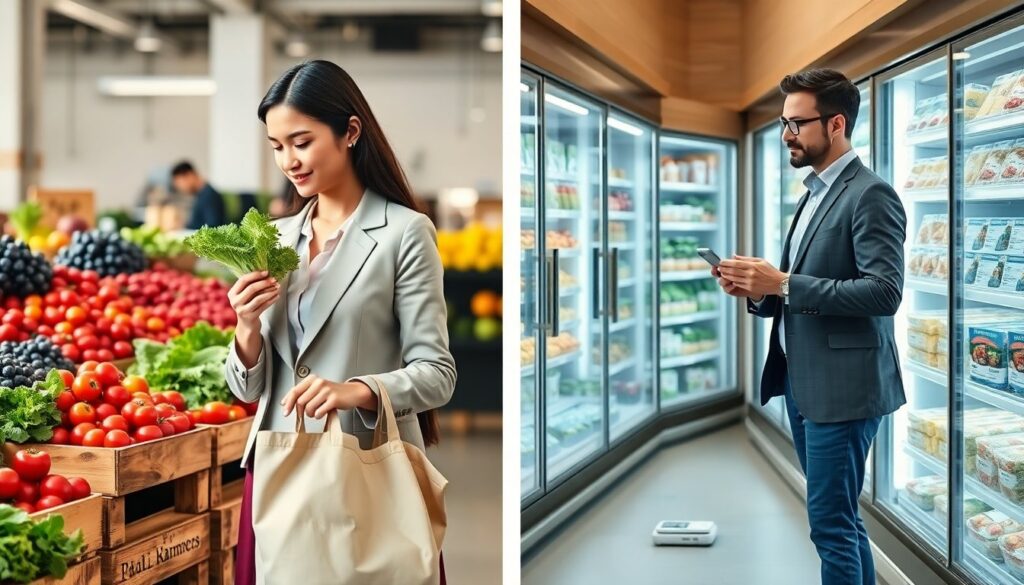
The debate over fresh vs frozen starts with one simple question: which choice gives more nutrition, taste, and value? This article compares fresh vs frozen food across processing, nutrition, taste, safety, cost, and the environment. The reader will learn how to pick the best option for meals, storage, and budgets. The guidance uses clear facts and practical examples for everyday shopping and cooking.
Key Takeaways
- Fresh vs frozen refers to different supply methods, with fresh produce sold without freezing and frozen foods preserved by blanching or flash-freezing soon after harvest.
- Freezing preserves most vitamins and minerals, often retaining more vitamin C than fresh produce that sits for several days, while frozen items also have a much longer shelf life.
- Taste and texture differ between fresh and frozen foods, with fresh produce offering crisper textures raw and frozen items performing better in cooked dishes or smoothies.
- Freezing halts microbial growth and extends safe storage time, reducing food waste compared to fresh items that spoil faster without proper refrigeration.
- Frozen foods generally cost less per serving and offer convenience with portion control, while fresh items are more expensive out of season and can have a lower environmental impact if locally sourced.
- Balancing seasonality, local fresh produce, and planned frozen portions helps reduce costs, food waste, and environmental harm effectively.
What “Fresh” And “Frozen” Really Mean (Processing And Supply Chain Differences)
Fresh vs frozen describes two supply methods. Fresh produce moves from farm to market without a freezing step. Frozen produce gets blanched or flash-frozen soon after harvest. Fresh food uses refrigeration and fast transport to keep quality. Frozen food uses low temperatures to stop spoilage and enzyme action. Fresh items often travel through regional distribution or local markets. Frozen items travel in cold chains that lock in state at the time of freezing. Fresh goods can age during transport. Frozen goods keep the nutrient and flavor state from the moment of freeze.
Nutrition Comparison: Vitamins, Minerals, And Shelf‑Life Changes
People compare fresh vs frozen for nutrition. Freezing preserves most vitamins and minerals. Vitamin C and some B vitamins can decline in fresh produce during storage. Frozen food often retains more vitamin C than fresh items that sit for days. Minerals remain stable in both forms. Shelf life differs greatly. Fresh food lasts days to a few weeks. Frozen food can last months to a year in standard home freezers. Loss of nutrients depends on time and temperature. Proper handling improves outcomes for both fresh and frozen choices.
Taste, Texture, And Culinary Uses
Taste and texture drive many fresh vs frozen choices. Fresh fruit and leafy greens offer crisp textures when eaten raw. Freezing can soften cell walls and change mouthfeel. Frozen berries or peas often lose crunch but keep sweetness. Cooking methods can hide texture changes. Heat can restore flavor in frozen vegetables. Fresh ingredients may shine in salads and raw applications. Frozen items can perform better in cooked dishes and smoothies. The decision should match the recipe and the desired mouthfeel.
Food Safety, Storage Life, And Waste Reduction
Food safety affects fresh vs frozen choices. Freezing stops microbial growth but does not sterilize food. Fresh food spoils faster and can develop pathogens if mishandled. Proper refrigeration slows spoilage in fresh items. Freezing extends safe consumption windows and reduces the chance of tossing food. Waste drops when people buy frozen portions or use bulk-frozen items. Consumers who plan meals and portion frozen goods cut waste. Safe thawing and cooking practices keep both fresh and frozen items safe to eat.
Cost, Convenience, And Environmental Impact: A Practical Comparison
Cost and convenience affect choices in fresh vs frozen decisions. Fresh items cost more out of season and when supply chains stretch long distances. Frozen items often cost less per serving and reduce trips to the store. Convenience favors frozen food for quick meals and portion control. Environmental impact varies. Local fresh produce cuts transport emissions. Frozen food uses energy for freezing and storage. But frozen supply chains can cut food waste and lower overall resource use. Buyers who balance seasonality, local sourcing, and portion planning can reduce both cost and environmental harm.
About The Author

 Feeding The Helpinus Active: A Practical Guide To Nutrition, Meals, And Care (2026)
  Fueling The Active Helpinus: A Practical 2026 Guide To Food For Endurance, Strength, And Recovery
  Overcoming Healthy Eating Challenges: 7 Practical Strategies To Stick With Better Food In 2026
  Food Swaps That Work: Simple, Tasty Swaps To Eat Healthier In 2026
  Healthy Grilling: 10 Simple Strategies To Grill Cleaner, Leaner, And Tastier In 2026
  Vegan Substitutes: 20 Easy Swaps For Cooking, Baking, And Everyday Meals (2026 Guide)