
Nutrient-Rich Meals: Simple, Balanced Recipes And Weekly Plans For Busy People (2026)
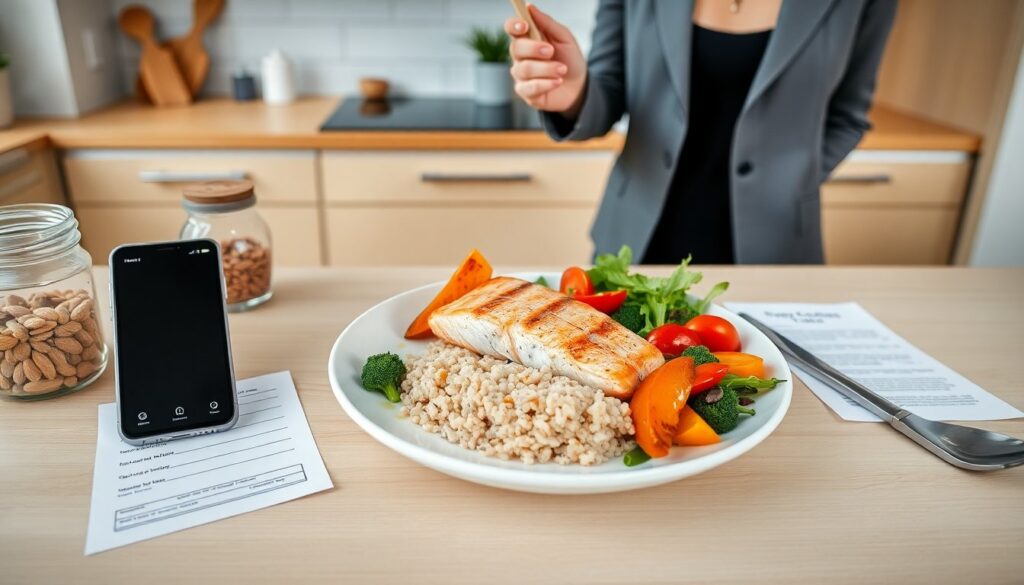
Nutrient rich meals help people get needed vitamins, minerals, protein, and fiber without extra time. This guide explains what makes a meal nutrient rich, gives a clear method to build balanced plates, and offers a practical 7-day meal plan with a shopping list. Readers will find simple rules and ready-to-use examples they can follow on busy days.
Key Takeaways
- Nutrient rich meals provide essential vitamins, minerals, protein, healthy fats, and fiber to support overall health and sustained energy.
- Building balanced plates starts with prioritizing protein, adding varied colorful vegetables, whole grains or starchy vegetables, and healthy fats like olive oil or nuts.
- A simple step-by-step method enables creating nutrient rich meals quickly for any mealtime by combining protein, vegetables, grains, healthy fats, and optional fruit or dairy.
- Using practical portion templates and swapping ingredients by preference or season helps maintain nutrient density and balance across breakfast, lunch, and dinner.
- Batch-cooking proteins and grains alongside using frozen or canned whole foods saves time and ensures nutrient rich meals fit busy schedules.
- Following a 7-day meal plan with a diverse shopping list promotes easy access to nutrient rich meals and supports consistent healthy eating habits.
What Makes A Meal Truly Nutrient-Rich? Key Nutrients, Food Groups, And How To Prioritize Them
A nutrient rich meal gives energy and supports health with vitamins, minerals, protein, healthy fats, and fiber. Vegetables supply vitamins A, C, and K. Fruit gives vitamin C and potassium. Whole grains provide B vitamins and sustained energy. Lean protein supplies amino acids for repair. Healthy fats from nuts, seeds, and olive oil support brain and hormone function.
A person should prioritize variety first. A varied plate reduces nutrient gaps. A second priority is protein at each meal. Protein stabilizes blood sugar and supports satiety. A third priority is color from vegetables and fruit. Color signals different vitamins and antioxidants.
A final priority is whole foods over processed foods. Whole foods deliver fiber and micronutrients in natural ratios. Processed foods often add salt, sugar, and empty calories. For busy people, frozen vegetables and canned beans count as whole-food choices. They keep meals nutrient rich with minimal prep.
Build Balanced, Nutrient-Dense Meals: A Step-By-Step Method You Can Use Every Day
Step 1: Choose a protein. They should pick from fish, poultry, eggs, tofu, lentils, or yogurt. Protein makes a meal filling.
Step 2: Add two cups of vegetables. Vegetables add fiber and micronutrients. Aim for both leafy greens and a colorful vegetable.
Step 3: Add a whole-grain or starchy vegetable for energy. Options include brown rice, quinoa, sweet potato, or whole-grain bread.
Step 4: Add a healthy fat. Use a tablespoon of olive oil, a quarter cup of nuts, or one avocado.
Step 5: Add a small fruit or dairy serving for calcium and vitamin C when useful.
Step 6: Season with herbs, spices, lemon, or vinegar. These add flavor without extra calories.
People can use this method to build nutrient rich meals in ten minutes. They can batch-cook protein and grains and mix vegetables fresh or frozen. The method works for breakfast, lunch, and dinner. It scales for one person or a family. The method keeps meals balanced and nutrient dense without complex steps.
Portion Templates And Example Meals For Breakfast, Lunch, And Dinner
Breakfast template: one protein, one grain, one fruit, one fat. Example: Greek yogurt, oats, berries, and walnuts. This breakfast makes a person feel full and supplies protein and fiber.
Lunch template: one protein, two cups vegetables, one grain, one fat. Example: Grilled chicken, mixed salad greens, quinoa, and olive oil. This lunch keeps energy steady.
Dinner template: one protein, two cups vegetables, one starchy vegetable, one fat. Example: Baked salmon, roasted broccoli, sweet potato, and a drizzle of olive oil. This dinner supports recovery and sleep.
Snack ideas: hummus with carrot sticks, apple with peanut butter, or a hard-boiled egg and fruit. Snacks help keep hunger in check and reduce overeating at main meals.
People can swap items based on preference and season. The templates keep plate balance and make nutrient rich meals repeatable.
Practical 7-Day Meal Plan And Shopping List For Busy Schedules
Day 1: Breakfast – Greek yogurt, oats, blueberries, almonds. Lunch – Turkey wrap with spinach and whole-grain tortilla. Dinner – Stir-fry tofu, mixed vegetables, brown rice.
Day 2: Breakfast – Scrambled eggs, whole-grain toast, orange. Lunch – Lentil salad with tomatoes and cucumber. Dinner – Baked salmon, green beans, quinoa.
Day 3: Breakfast – Smoothie with spinach, banana, protein powder, flaxseed. Lunch – Chickpea bowl with roasted vegetables. Dinner – Chicken, roasted carrots, mashed sweet potato.
Day 4: Breakfast – Cottage cheese, pineapple, chia seeds. Lunch – Tuna salad over mixed greens. Dinner – Vegetable curry with lentils and brown rice.
Day 5: Breakfast – Oatmeal with apples and walnuts. Lunch – Quinoa salad with black beans and corn. Dinner – Shrimp, asparagus, whole-grain pasta.
Day 6: Breakfast – Veggie omelet, avocado. Lunch – Leftover curry with a side salad. Dinner – Grilled turkey burger, roasted Brussels sprouts, baked potato.
Day 7: Breakfast – Protein pancakes with berries. Lunch – Salmon salad with mixed greens. Dinner – Bean chili with varied vegetables and a side of cornbread.
Shopping list (core items):
- Proteins: chicken, salmon, turkey, tofu, canned tuna, Greek yogurt, eggs, lentils, beans
- Vegetables: spinach, mixed greens, broccoli, carrots, bell peppers, green beans, asparagus, Brussels sprouts
- Fruits: bananas, apples, berries, oranges, pineapple
- Grains and starches: brown rice, quinoa, oats, whole-grain bread, whole-grain pasta, sweet potato
- Fats and extras: olive oil, nuts, seeds, avocado, canned tomatoes, herbs, spices
Tips for busy shoppers: buy frozen vegetables and pre-washed salad greens. Buy canned beans and dry grains in bulk. Cook a double batch of grains and protein on one day to save time. These steps make it simple to eat nutrient rich meals all week.
About The Author

 Feeding The Helpinus Active: A Practical Guide To Nutrition, Meals, And Care (2026)
  Fueling The Active Helpinus: A Practical 2026 Guide To Food For Endurance, Strength, And Recovery
  Overcoming Healthy Eating Challenges: 7 Practical Strategies To Stick With Better Food In 2026
  Fresh Vs Frozen: How To Choose The Healthiest, Tastiest, And Most Cost‑Effective Option In 2026
  Food Swaps That Work: Simple, Tasty Swaps To Eat Healthier In 2026
  Healthy Grilling: 10 Simple Strategies To Grill Cleaner, Leaner, And Tastier In 2026