
Immunoglobulin Therapy: How Specialty Pharmacy Coordination Shapes Outcomes
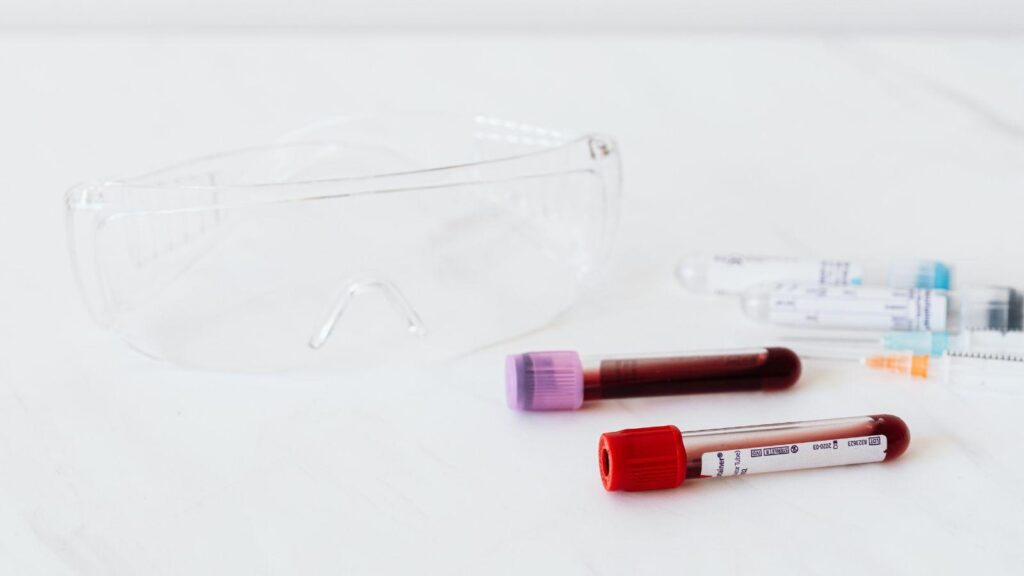
Immunoglobulin therapy is one of the most clinically demanding specialty medication pathways in modern healthcare. Patients with primary immunodeficiencies, certain autoimmune conditions, and some neurological diseases depend on IG therapy for long-term disease management. The logistics of delivering it correctly, including product selection, administration route, and supply continuity, have a direct effect on clinical outcomes.
Key points
- IG therapy can be delivered intravenously (IVIG) or subcutaneously (SCIG), with growing adoption of home-based SCIG for stable chronic patients.
- Specialty pharmacy coordination covers product sourcing, payer authorisation, infusion scheduling, and patient adherence, which is a larger scope than a community pharmacy provides.
- Supply continuity has been a recurring challenge for the global IG market, which makes pharmacy relationships with manufacturers and distributors materially more important than in other specialty categories.
The role of a specialty pharmacy
The specialty pharmacy managing an IG therapy patient handles more than dispensing. IG infusions require temperature-controlled handling, prior authorisation coordination with the payer, coordination with the patient or home health team on infusion scheduling, and ongoing adherence monitoring. A pharmacy that handles all of these functions as an integrated workflow produces better clinical outcomes than a fragmented pathway.
Home-based subcutaneous IG
A major change in IG therapy over the last decade has been the growth of subcutaneous home administration for stable chronic patients. SCIG typically involves weekly smaller-volume infusions at home rather than larger monthly IVIG in a clinic. For patients with stable maintenance therapy, SCIG offers meaningful lifestyle advantages while maintaining comparable clinical outcomes. The transition from IVIG to SCIG requires careful patient training and pharmacy coordination, which is again where specialty pharmacy involvement matters.
Supply continuity
IG is a plasma-derived product, and global supply has been periodically constrained by donation levels, manufacturing capacity, and demand growth. Patients on long-term therapy benefit from a pharmacy that has strong supplier relationships and can proactiveli manage supply during periods of tightness. This is one of the less-visible functions of a good specialty pharmacy, and it matters most exactly when supply is most difficult.
Conclusion
IG therapy is a clinical pathway where pharmacy choice affects outcomes. Specialty pharmacies that coordinate sourcing, authorisation, administration logistics, and adherence as a single workflow produce better patient experiences and more reliable clinical outcomes than fragmented alternatives, and patients on long-term therapy should treat the pharmacy relationship as an active part of their care plan.
About The Author

 When ADHD Makes Self-Care Hard: How Nutrition and Emotional Support Animals Can Help Women Build Better Routines
  Aging: What PBMCs Reveal About Our Immune System Throughout the Years
  What to Do After an Asbestos-Related Diagnosis: A Step-by-Step Guide
  Touch-Up vs. Full Redo: How Long Cosmetic Dental Work Really Lasts in Raleigh,
NC — Lifespan, Cost, and Maintenance Guide
Touch-Up vs. Full Redo: How Long Cosmetic Dental Work Really Lasts in Raleigh,
NC — Lifespan, Cost, and Maintenance Guide  Is a Root Canal Painful? Debunking the Myth for Inglewood Patients — What to
Expect and How Modern Care Minimizes Discomfort
Is a Root Canal Painful? Debunking the Myth for Inglewood Patients — What to
Expect and How Modern Care Minimizes Discomfort  How Palm Harbor Dentists Handle All-on-4 Cases With Existing Gum Disease:
Clinical Strategies and Patient Care
How Palm Harbor Dentists Handle All-on-4 Cases With Existing Gum Disease:
Clinical Strategies and Patient Care