
Why 3-Wheel Mobility Scooters Are Ideal For Seniors?
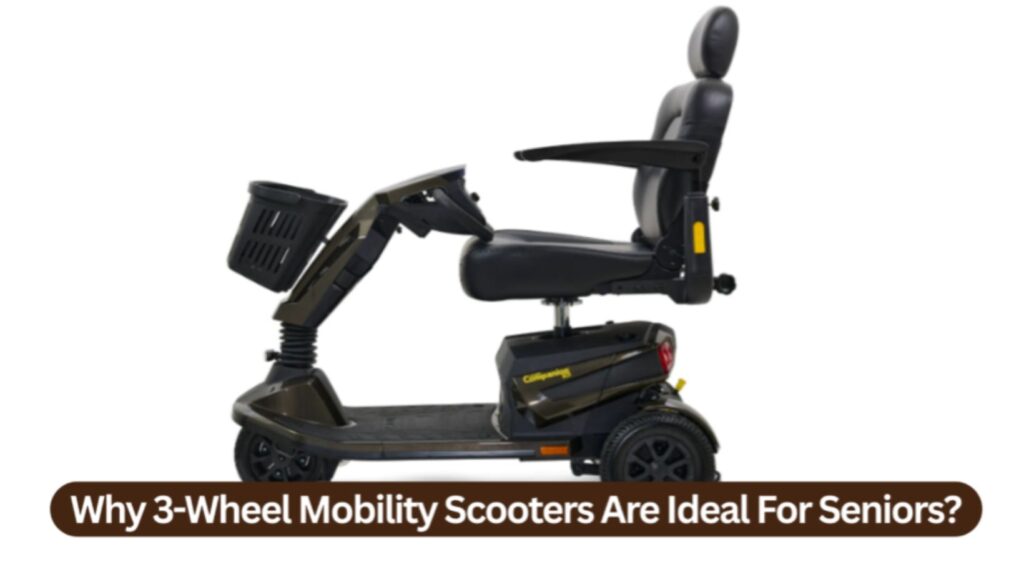
The difficulty in everyday movement is a common problem in seniors as mobility begins to slowly degrade due to aging. They have problems with standing up, simply walking around, or walking to places with uneven surfaces.
As time goes on, the longer the distance, the more effort is required. Over time, these developments silently transform the everyday life of most seniors and restrict their autonomy. In response to these challenges, a 3-wheel mobility scooter offers a practical solution.
These scooters help in movement and restore self-confidence. Errands and social events start to feel less stressful. Hence, with such smart and convenient mobility support, elderly people are able to take control of their lives once more and feel freer and more independent.
This article describes why the 3-wheel mobility scooter is particularly appropriate for the elderly demographic and its benefits in improving comfort, safety, and independence in their daily lives.
1. Improved Maneuverability Indoors
A 3 wheel electric scooter has distinct benefits in indoor mobility, where space is frequently constrained. The design of this includes a single front wheel, whose turning radius is smaller compared to four-wheel scooters.
This makes a significant difference in small corridors, bathrooms, kitchens, and bedrooms. Seniors can move smoothly without constant stopping or repositioning. Physical strain is also minimized by better maneuverability.
Tight turns with larger devices often require repeated arm movements or body twisting. Over time, those motions aggravate shoulder pain, back stiffness, and joint discomfort. The 3-wheel scooter allows easy movement to save energy, thus rendering the normal day routine palatable rather than exhaustive.
Indoor mobility benefits include:
- Easier navigation through doorways
- Smoother turns around furniture
- Less upper-body effort
- Reduced risk of bumping walls or corners
Maneuverability has a direct impact on the quality of life of individuals spending most of their time in the house.
2. Enhanced Comfort for Daily Use
Mobility scooters enhance comfort in everyday living because most of them are designed with an open frame body, thus allowing seniors more room. Therefore, this design is more comfortable to spend longer hours in, particularly for seniors who experience knee rigidity or pain in the hip.
The seating arrangement is also important. Adjustable seat height, backrest angle, and handlebar position are offered in most three-wheel scooters. Research has shown that musculoskeletal strain is lessened by more than 50% with the help of ergonomic mobility, increasing long-term compliance in older adults.
Comfort-focused design elements often include:
- Cushioned swivel seats for easy transfers
- Flat foot platforms that reduce ankle strain
- Adjustable steering columns for posture support
When comfort levels are enhanced, the seniors will tend to remain more active and engaged during the day.
3. Greater Stability on Smooth Surfaces
Three-wheel mobility scooters have been fashioned to suit flat, foreseeable surfaces. Flooring, sidewalks, malls, hospitals, and other indoor places offer the perfect settings. The rear two wheels form a rather steady base, while the single front wheel provides a very accurate steering mechanism.
Moreover, when the mobility of a scooter feels stable, it makes the users more confident. The elderly who are uncertain about balance tend to avoid unnecessary movement. Such a limitation causes decreased physical activity and isolation. A study found that perceived stability strongly affects whether older adults continue using mobility aids outside the home. Feeling secure encourages longer outings and more frequent use.
Surfaces where stability performs best include:
- Grocery stores and retail centers
- Indoor corridors and hallways
- Sidewalks and paved paths
- Community and senior centers
Reliable stability supports independence without requiring constant supervision or assistance.
4. Simplified Controls and Learning Curve
Seniors are extremely sensitive to convenience. Mobility scooters with three wheels typically have simple controls that can be easily comprehended. Throttle leverages are smooth, and steering does not need too much force. Even without experience, the basic operation can be quickly learned by the seniors.
A simpler learning curve reduces anxiety. Straightforward operation allows seniors to focus on their surroundings instead of device mechanics. That focus improves safety in public environments such as parking lots, sidewalks, and crowded indoor spaces.
User-friendly control advantages include:
- Simple forward and reverse operation
- Clearly marked speed settings
- Minimal grip strength requirements
- Easy-to-read battery indicators
When a scooter feels intuitive, seniors are more confident using it independently.
5. Lightweight Design and Easy Transport
Three-wheel mobility scooters are often lighter than four-wheel models. Reduced weight matters for both users and caregivers. Lighter frames are easier to maneuver, lift, and store. Many designs also allow partial or full disassembly, making transport more practical.
Portability enhances lifestyle choices. The elderly will be able to visit hospital appointments, family members, or do recreational activities without complex logistics. Moreover, lighter mobility devices are used more frequently by independently living seniors, largely because convenience removes barriers to use.
Transport-related benefits include:
- Easier loading into standard vehicles
- Faster setup and breakdown
- Reduced caregiver strain
- Improved travel flexibility
Portability helps seniors stay connected to their communities instead of staying home by necessity.
6. Better Confidence and Emotional Well-Being
Mobility support affects more than physical movement. It influences emotional health. Three-wheel mobility scooters help seniors regain control over daily decisions, from grocery shopping to social visits. That sense of autonomy improves overall well-being.
Confidence grows when movement feels predictable and safe. Seniors who trust their mobility device are more willing to leave home, interact socially, and maintain routines. Increased activity also supports mental health by reducing isolation and promoting a sense of purpose.
Emotional benefits often include:
- Reduced anxiety about falling
- Greater willingness to socialize
- Improved sense of independence
- Higher overall life satisfaction
Mobility is closely tied to dignity, and supportive devices help preserve it.
Conclusion
Three-wheel mobility scooters tackle the issues that seniors encounter on a daily basis. They have a smooth indoor performance, better comfort, reliability in smooth surfaces, user-friendly controls, and limited transportation. These characteristics align to promote autonomy and decrease physical and emotional stress.
The practical takeaway is simple. Choose a mobility solution that matches daily environments and physical needs. To most elderly people, this three-wheeled scooter presents the ideal combination of comfort, maneuverability, and independence to stay active, assertive, and right-minded.
About The Author

 How Online Marijuana Card Consultations Work in Reston
  From Evidence to Practice: Integrating Alpine Zanubrutinib into CLL Treatment
Pathways
From Evidence to Practice: Integrating Alpine Zanubrutinib into CLL Treatment
Pathways  Why Beneficiary Planning Matters for Family Financial Security
  What Makes a Modern Online Casino Attractive to Players
  What Flavor and Texture Features Make CBD Gummies More Enjoyable?
  Are the Benefits of Coconut Water Overstated?