
Innovative Materials Revolutionizing the Work of Orthopedic Surgeons
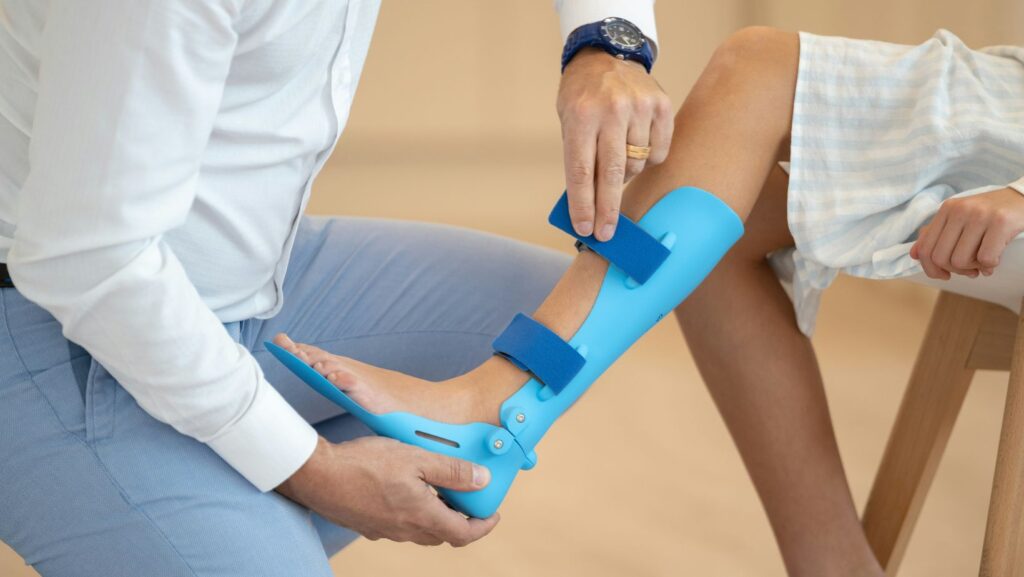
Orthopedic surgery is experiencing a global surge, driven by aging populations, technological advancements, and expanding patient access. In 2024, the global orthopedic market reached $61.9 billion, with technologies such as orthopedic surgical robotics, smart implants, and AI modeling enhancing accuracy, surgical planning, and remote monitoring of recovery. Among the most interesting aspects of these technologies are the materials they rely upon. Many new developments in the use of materials deliver a myriad of benefits when it comes to reducing recovery times and encouraging the body to heal from within.
Titanium as the Stalwart of Orthopedic Innovation
Titanium and its alloys are often touted as the “biometallic backbone” of modern orthopedics owing to their impressive biocompatibility, corrosion resistance, and strength-to-weight ratio. Titanium’s ability to resist deformation under stress is surprisingly similar to that of bone, which reduces the likelihood of bone loss around implants. Titanium forms a passive titanium dioxide layer on its surface that prompts osseointegration (integration with bone). TMS Titanium reports that new advances in engineering have further improved the uses of this lightweight material. For instance, modern 3D-printed titanium implants can replicate bone porosity, resulting in enhanced compatibility and tissue growth. Today, titanium-based implants have an over 90% survival rate around 15 years after implantation.
New Surface Engineering Techniques
Surface engineering techniques such as plasma spraying calcium phosphate, the use of antibacterial TiO2 coatings, and the formation of anodized titanium nanotubes are all boosting osseointegration and infection resistance, too. Plasma spraying employs high-temperature plasma jets to deposit a calcium phosphate coating onto titanium surfaces, creating a bioactive bone layer that bonds strongly to bone.
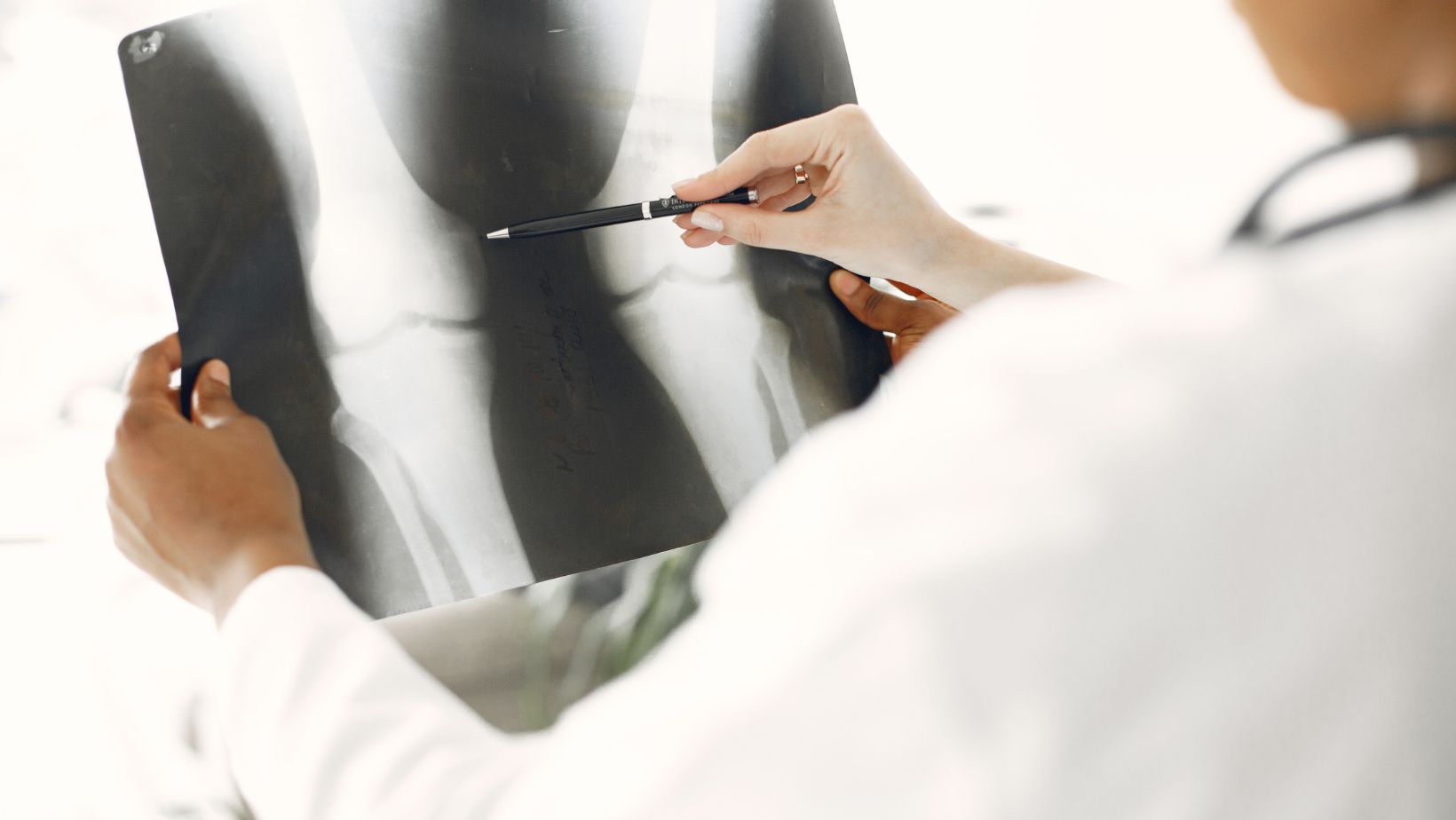
The formation of anodized titanium nanotubes involves electrochemical anodization to create a dense layer of titanium dioxide nanotubes on the implant’s surface. These tiny tubes increase surface area and bone-cell interaction, which boosts integration and healing. Finally, the use of TiO2 coatings on implants can be engineered with antimicrobial ions to boost resistance against bacteria.
Emerging Materials
There are many other materials apart from titanium that are making a big splash in orthopedics, including magnesium alloys, which dissolve in the body after the implant’s role has been fulfilled, thus reducing the need for subsequent surgeries. Engineers have also developed composite biomaterials from many sources ranging from polymers and ceramics to boost bone growth and reduce infection risks. Equally promising are bioactive polymers and smart materials like hydrogels, which enable implants to adapt to physiological changes and mimic soft tissue mechanics. Finally, bioactive implants are playing a big role in many surgical interventions. Coatings such as hydroxyapatite (HA) and antimicrobial layers are now used to improve implant integration with bone and minimize infection. HA comprises calcium phosphate; it forms a porous layer that supports the growth of bone cells, tissues, and blood capillaries around the implant.
Cutting-edge materials are improving the accuracy, lasting power, and speed of orthopedic surgery. Titanium remains the main player in this specialty owing to its biocompatibility, corrosion resistance, and strength-to-weight ratio. New coatings and sprays are also promoting bone adhesion and proliferation, with some materials boasting the property of biodegradability—a quality that reduces the need for subsequent surgery.
About The Author

 The Case for Refurbished Medical Imaging Equipment Is Stronger Than Ever
  How a Weight Loss Clinic Can Transform Your Health
  When Should You Consult A Professional For A Custom Meal Plan In Hong Kong?
  How to Choose the Right 7OH Brand to Make a Purchase?
  CLL Treatment Options: Targeted Therapy, Chemo, Immunotherapy, and More
  The Essential Guide to Maintaining Better Vaginal Health