
Healthy Frying Standards Every Restaurant Should Follow for Better Consumer Trust
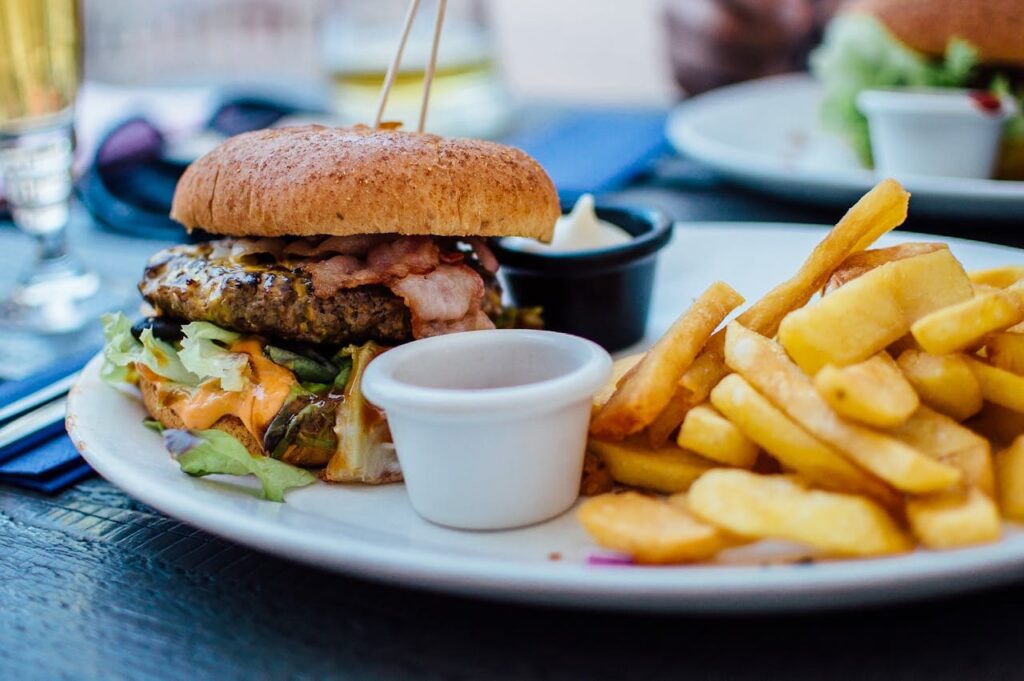
Fried food is one of the biggest crowd pullers in the restaurant world. From crispy chicken and fries to fried seafood and snacks, customers love that crunch and flavor. But at the same time, modern diners are becoming more health conscious. They want great taste, but they also want to know that what they are eating is prepared safely and responsibly. This is where healthy frying standards matter more than ever. When restaurants follow proper frying practices, they protect customer health and also build long term trust.
One of the smartest steps restaurants can take is investing in Fry-Oil Conditioners & Filters. Clean oil not only makes fried food taste better, it also reduces harmful compounds that form when oil breaks down. Customers may not see these systems working behind the scenes, but they definitely feel the difference in taste, smell, and overall food experience.
Why Healthy Frying Standards Matter for Restaurants
Frying is a high heat process that can easily turn unhealthy if not managed properly. Overused oil produces harmful free radicals, increases trans fats, and releases unpleasant odors. When customers regularly consume food cooked in poor quality oil, it can affect digestion, heart health, and overall wellbeing.
From a business angle, unhealthy frying practices also damage a restaurant’s reputation. Customers talk, especially in the age of online reviews. A single comment about greasy food or stale oil smell can turn away dozens of potential diners. Healthy frying is not only about customer health. It is also about brand image, consistency, and long term success.
Choosing the Right Frying Oil
The foundation of healthy frying starts with selecting the right oil. Restaurants should always use oils with high smoke points such as sunflower oil, canola oil, peanut oil, or refined palm oil. These oils remain stable at high temperatures and break down more slowly.
Low quality oils burn faster, darken quickly, and release harmful compounds. Even if cheaper oils seem cost effective in the beginning, they usually lead to higher replacement frequency and poor food quality. In the long run, better oil always wins.
Proper Frying Temperature Control
Temperature control is one of the most overlooked aspects of healthier frying. Most foods should be fried between 170 to 180 degrees Celsius. If the temperature is too low, food absorbs more oil and becomes greasy. If it is too high, food burns on the outside while staying undercooked inside.
Restaurants should always use digital oil thermometers and train staff to monitor fryer heat throughout service. Automatic thermostats on commercial fryers also help maintain consistent temperature, especially during peak hours.
Oil Filtration and Reuse Guidelines
Reusing oil is common in restaurants, but it must be done safely. After each frying session, oil should be filtered to remove food crumbs and carbon buildup. These leftover particles speed up oil breakdown and affect taste and safety.
Oil should be stored in clean, sealed containers away from heat and light. It should never be mixed with fresh oil. A simple daily log for oil usage helps kitchen managers track when oil needs to be replaced.
Oil that smells bad, smokes excessively, or turns very dark must be discarded immediately.
Staff Training and Kitchen Discipline
Even the best equipment cannot fix poor kitchen habits. Staff training is essential for maintaining healthy frying standards. Employees should be trained on correct temperatures, batch sizes, filtration routines, and oil storage and learn how to properly save frying oil without compromising food quality.
Overcrowding the fryer is one of the biggest mistakes during busy hours. It cools down the oil instantly and makes food absorb more grease. Proper portion control not only improves health but also keeps food quality consistent.
Clean working stations, proper drainage racks, and paper-lined trays further reduce excess oil on finished dishes.
Healthier Frying Techniques Restaurants Can Use
Deep frying is not the only way to achieve crispiness. Many restaurants now use shallow frying, pressure frying, and air frying for certain menu items. These techniques significantly reduce oil absorption.
Double frying is another effective method when done correctly. The first fry cooks the food at a lower temperature, and the second fry crisps it quickly at higher heat. This method seals the outer layer faster and reduces oil retention.
Introducing oven baked or air fried alternatives on the menu also gives health minded customers better choices.
Portion Control and Menu Balance
Serving size plays a major role in consumer health. Even well prepared fried food can become unhealthy when portions are too large. Offering moderate portion sizes with balanced side options such as salads, steamed vegetables, or whole grains improves the overall meal profile.
Modern menus should balance fried items with grilled, baked, and steamed options. This allows customers to enjoy their favorite fried dishes without feeling guilty.
Transparency Builds Customer Trust
Customers today care about how their food is prepared. Restaurants that openly communicate their food safety standards gain instant credibility. Small menu notes about oil quality, filtration systems, or healthier frying methods help customers feel confident about their choices.
Open kitchens also build trust. When customers can see clean fryers, fresh oil, and disciplined staff, it reinforces the restaurant’s commitment to health and quality.
Regulatory Compliance and Food Safety Standards
Every restaurant must follow local food safety regulations regarding oil usage, food temperature, and kitchen hygiene. Health inspections often focus on oil quality, fryer cleanliness, and waste disposal.
Failing these inspections not only leads to fines but can also result in temporary closure. Following healthy frying standards makes passing inspections easier and keeps operations running smoothly.
Long Term Business Benefits of Healthy Frying
Healthier frying practices reduce oil costs, improve food quality, and extend equipment life. Clean oil prevents fryer breakdown and reduces maintenance costs. Better tasting food increases repeat customers and improves online reviews.
Most importantly, prioritizing consumer health builds brand loyalty. Customers who trust a restaurant with their health are far more likely to return and recommend it to others.
Final Thoughts
Healthy frying standards are no longer optional for modern restaurants. They are essential for protecting customer health, maintaining food quality, and building long term trust. From choosing the right oil and controlling temperature to training staff and filtering oil regularly, every small step makes a big difference.
Customers will always love fried food. The goal is to serve it in a way that feels lighter, safer, and more responsible. Restaurants that commit to smart frying practices today will be the ones that succeed tomorrow.
About The Author

 Mindful Screen Time: Establishing Healthier Boundaries with Technology
  What Makes Online Slot Features Feel Natural Instead of Confusing?
  Accessing Comprehensive Digestive Health Services in Modern Healthcare Networks
  Finding Confidence Through Aesthetic Wellness
  5 SD-WAN Solutions That Support Zero-Touch Network Provisioning
  How Online Marijuana Card Consultations Work in Reston