
Dental Implants in Singapore: Beyond the Surgery – How to Protect Your Investment
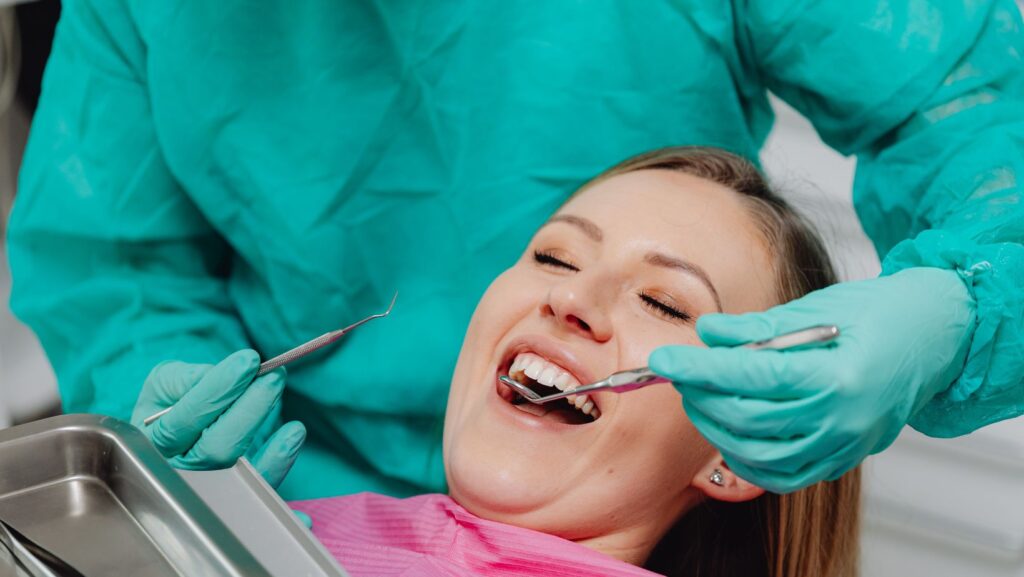
When Singaporeans think of dental implants in general, they think of the operation, the expense, or the cosmetic benefit of a whole smile again. Fewer still consider what happens afterward once the crown has been attached. Dental implants in Singapore are no “fit and forget” option. Like any investment that lasts a lifetime, it must be maintained and checked on regularly. Neglect can lead to problems such as peri-implantitis, which jeopardizes the very success of your implant. Here, we discuss what makes implants last and what Singapore patients often overlook after the procedure is over.
Why Long-Term Maintenance Matters
Dental implants are designed to be permanent, with success rates in excess of 90% after a decade or so, research suggests. But “success” depends in large part on the patient’s oral hygiene and lifestyle. Implants won’t rot but the tissues and bone around them can become infected and inflamed. Neglect can result in bone loss around the implant, looseness, and even failure.
In Singapore, where an implant costs several thousand dollars a tooth, nobody wants to do it again unnecessarily. Preserving your implant is not only an oral health issue but also an economic decision.
Peri-Implantitis: The Silent Threat
The most common long-term problem is peri-implantitis, a gum disease-like condition. It starts as mild inflammation of the gums, commonly because of the build-up of plaque. If neglected, it causes bone loss around the implant. Early warning signs are gums bleeding when brushed, persistent bad breath, or slight pain.
The most shocking thing about peri-implantitis is the fact that it may develop quietly over months or even years. The only certain way of detection at the early stage is regular dental examination. If it has advanced considerably, then treatment may involve surgical debridement, bone grafting, or even extraction of the implant in severe cases.
Daily Care: More Than Just Brushing
Another of the most common myths is that brushing twice a day is enough. The truth is that implants need to be cleaned with special techniques to prevent plaque and bacteria buildup along the gum line:
Clean the abutment and crown with a water flosser for deep cleansing.
Brush interdental spaces or employ the use of floss threader to clean in between the implant and other teeth.
Employ antibacterial mouth rinses to reduce bacterial load, especially in susceptible patients prone to gum conditions.
Soft brushes are ideal to avoid irritating the gums.
Smoking patients will need to be extra careful: nicotine restricts blood flow, blocking healing and promoting the likelihood of implant failure. In fact, Singaporean clinics typically send a warning that smoking is one of the best predictors of failed implants.
Professional Maintenance: The Check-Up Schedule
Dentists typically recommend a hygienist visit every six months after implant insertion. During these visits, clinicians use special instruments that clean around implants without scratching their surface. Annual X-rays may also be suggested to monitor bone levels.
It’s common in Singapore for patients to believe that once the crown is in place, their implant is “done.” In fact, implants require a lifetime commitment to your dentist. These appointments are not only for cleaning but also for early detection of complications, bite problems, or wear on the crown.
Who Needs Extra Vigilance?
Not all patients are at equal risk. Certain groups in Singapore need to be more closely monitored:
• Diabetics – Poorly controlled diabetes hinders healing and promotes infection.
• The elderly – Reduced bone density may undermine long-term stability.
• Bruxism patients – Grinding of teeth subjects implants to excess stress.
• Heavy smokers – Greater risk of peri-implantitis and bone loss.
If you fall into any of these groups, your dentist will advise more regular review or customized hygiene protocols.
Conclusion
Dental implants are one of the greatest achievements of contemporary dentistry, restoring both function and confidence. But surgery is just the beginning. What makes it all work is aftercare daily habits, regular professional attention, and vigilance for complications such as peri-implantitis.
For Singaporeans considering or who already have implants, the message is straightforward: protect your investment. A bit of effort each day and periodic visits to your dentist can make the difference between an implant that will last for years to come and a failed implant in the future.
About The Author

 Win Warmth: Helpinus Medical Heating Tube Socks Giveaway — How To Enter & Why They Work (2026)
  5G Headache Remedies That Work: Practical Relief And When To Seek Help (2026)
  Stone Age Calisthenics: Helpinus Recap — What Worked, What Didn’t (2026)
  Thynaril Vorkyn: What It Is, How It Works, and What To Know In 2026
  Jay Stallings’ Health Guide: Practical, Evidence‑Backed Steps To Better Health With Helpinus (2026)
  Helpinus: Jay Stallings’ Practical Health Guides For Everyday Wellness (2026 Update)