
Is It Time for Your Elderly Loved One to Have Home Care
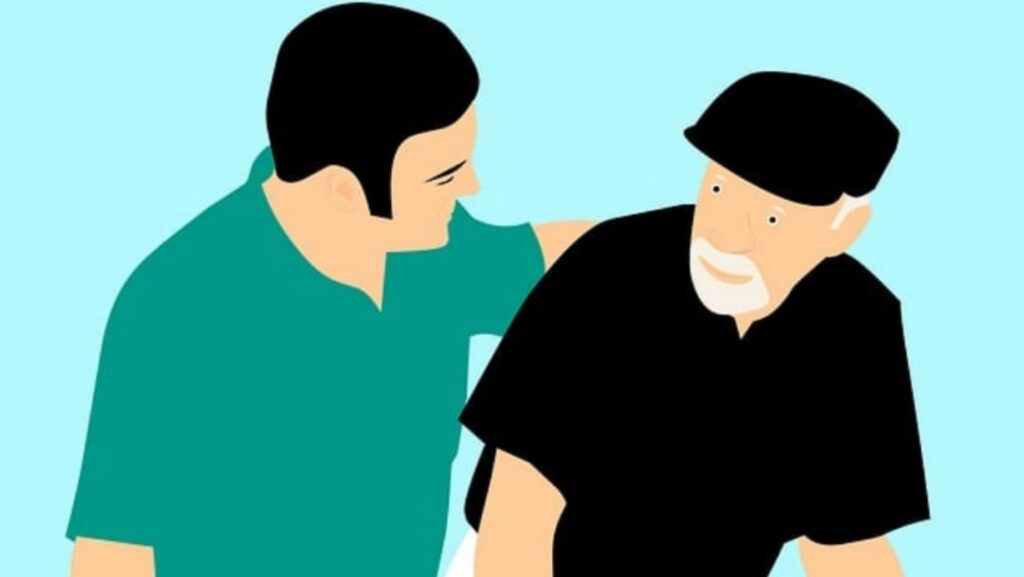
As they reach the later stages in life, family and close friends want to pay attention to the elderly loved one’s health and wellness to ensure their needs are being met.
Recognizing signs that additional support may be necessary to ensure the individual is enjoying a full and higher quality life, free of severe health complications is essential.
Signs Indicating Your Loved One May Need Home Care
Loved ones naturally experience physical and mental health changes as they age. It can become challenging to perform the same routine or comparable activities of daily living independently that once came easily to them.
While some people remain independent and live well long into seniorhood, others may not be as fortunate, requiring more assistance sooner to assure safety and wellbeing. It can be tough to recognize when additional help is needed.
The signs that it’s time for home care are not always obvious and can be overlooked since these changes can be subtle. Visit https://annecohenwrites.com/6-reasons-why-home-care-is-important-for-the-elderly/ for details on why home care is important for the elderly. How do you know when a loved one is in need of additional assistance? Consider these signs.
Frequent Falls
Stumbling or falling can be a clear sign that extra assistance with daily activities should be a priority. Frequent falls can be indicative of declining coordination, balance, or increasing weakness, all of which can lead to severe injuries including the potential for fractures or worse.
If left unaddressed, frequent falls can lead to a major loss of independence and even life-threatening complications. When your loved one receives proper support, it can help prevent these accidents and ensure an improved quality of life.
Poor Hygiene
Neglecting basic hygiene shows that home care would be beneficial for your loved one. Poor personal hygiene and cleanliness can lead to unkempt hair and body odor. When an individual has physical limitations, cognitive decline, or is depressed, changes in hygiene will become obvious.
The person can become susceptible to skin issues or infections, ultimately developing low self-esteem and lacking confidence. Unless extra support comes into the home to help with personal hygiene, the individual will experience further decline in health and wellbeing.
Weight Loss
Unexpected weight loss can be a sign of an underlying issue such as difficulty swallowing or eating, malnutrition, or other severe health concerns. When you notice an apparent drop in weight or clothing that’s suddenly loose, these are symptoms that warrant prompt action.
Neglecting signs of weight loss can result in the individual developing a weakened immune system, leading them to become more susceptible to illness and further complications.

With Home Care Services in Houston , providers monitor clients and can report if they’re not eating so they can see the healthcare practitioner.
Memory Loss
Forgetting names/dates and milestones, general memory loss, is a sign that home care would be helpful. The individual might easily get lost when out or forget scheduled appointments.
Forgetting can lead to missing medication or doctor visits, essential for maintaining health. Home care providers help with medication management, and some will provide transportation to doctor appointments.
Social Withdrawal
Some seniors start to isolate as they progress in age. They avoid social activities they once enjoyed and don’t interact with people they may have been friends with for a long time. This can often be a sign of developing depression, cognitive decline, or anxiety.
A loved one should pay attention to symptoms such as a lack of interest in favorite hobbies or choosing to stay home instead of joining the family for social outings. Social withdrawal can exacerbate depression and anxiety.
Home care professionals provide companionship, such as playing boardgames, taking walks, going for coffee or snack, and other activities to get your loved one outside of the house.
Difficulty with Mobility
You can monitor your loved one’s mobility by watching to see if they’re holding onto furniture to support them or moving unusually slowly as they walk. These are indications that they’re having difficulty standing or moving.
If this is the case, the individual is at an increased risk for falls which can severely limit their ability to perform normal activities of daily life or stick with a regimented routine independently.
The support of a home care provider can prevent the potential for injuries and provide a more fulfilling and quality lifestyle. Go here to learn the differences between home health care and home care.
Final Thought
Home care providers provide personalized care to seniors in the comfort and security of their homes. Loved ones who familiarize themselves with the services, resources such as riddlevillage.com, and the many benefits available can make informed decisions for the greatest good of their elderly family members.
You want to start looking for providers ahead of declining health so your loved one can help in the decision-making process. The home care provider should be someone they feel comfortable with. Developing trust and confidence is essential as your senior family member transitions from full independence to allowing someone to help.
About The Author

 Almond Protein Powder: A Versatile Ingredient for Modern Food Innovation
  How Modern Research Standards Are Improving Laboratory Outcomes
  Spatial Gene Expression: Why Knowing Where Genes Are Active Matters as Much as
Knowing Which Ones
Spatial Gene Expression: Why Knowing Where Genes Are Active Matters as Much as
Knowing Which Ones  Asbestos Exposure Risks by Industry
  Unleashing Sound: A Detailed Examination of the Xbox Wireless Headset
  The Smart Patient’s Guide to Diagnostic Imaging: Ultrasound, X-Ray, and What to Expect