
What You Can Do Now to Lower Future Health Risks
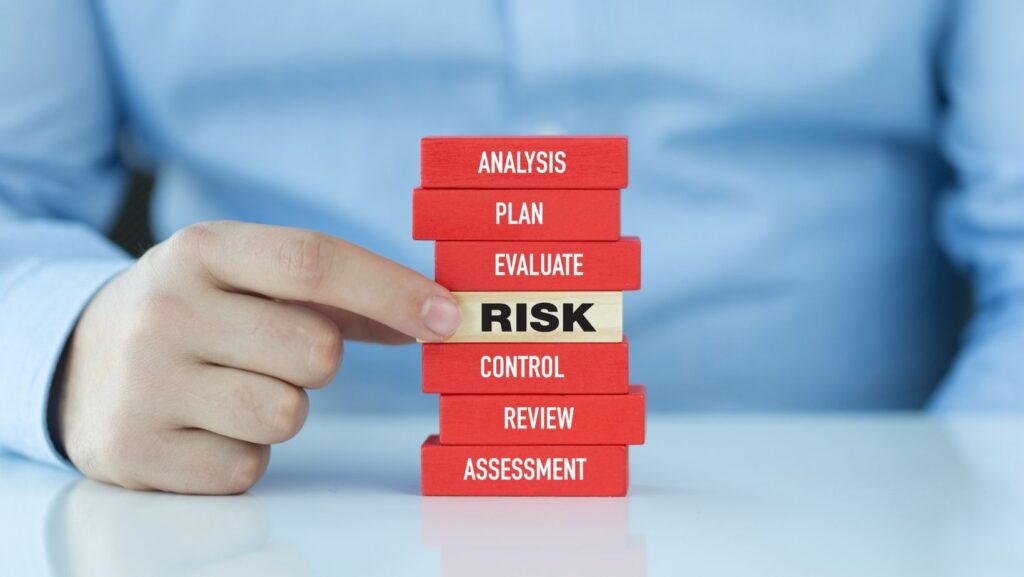
Your health tomorrow really does hinge on what you’re doing today. Even small tweaks to your daily routine can snowball into bigger benefits down the road. It’s not always easy, but taking steps now can help you sidestep a lot of problems later.
Simple actions like eating more vegetables, moving your body regularly, and steering clear of smoking can slash your risk for a bunch of serious illnesses. Choices like these protect your heart, brain, and other crucial parts from disease.
Seeing your doctor for regular check-ups matters too. They spot health issues early, when you can actually do something about them. Sure, these healthy choices might seem minor now, but they really do add up over the years.
Proactive Lifestyle Changes for Long-Term Health
Changing up your daily habits—even just a little—can lower your health risks as you get older. Adjusting what you eat, how you move, how you sleep, and how you handle stress lays the groundwork for better wellness in the long run.
Prioritizing Balanced Nutrition
A balanced diet gives your body what it needs to work right. Try to eat more whole foods and skip the processed stuff when you can. Load up on colorful fruits and veggies every day. They’re packed with vitamins, minerals, and antioxidants that help protect your cells.
Key nutrients to keep in mind:
- Lean proteins like chicken, fish, beans, and tofu
- Complex carbs such as whole grains and legumes
- Healthy fats from avocados, nuts, and olive oil
- Calcium-rich foods, whether dairy or plant-based
Watch your portions, too. Using smaller plates can help you eat less without really noticing. The 80/20 rule works for a lot of people—aim for healthy foods most of the time, but let yourself have treats now and then. Don’t forget about water. Staying hydrated keeps everything in your body running smoothly and can even help curb hunger. Shoot for 6-8 glasses a day, or more if you’re active or it’s hot out.
Building an Effective Exercise Routine
Getting regular physical activity boosts your heart, builds muscle, and lifts your mood. Try for about 150 minutes of moderate exercise each week. Pick activities you actually like. If you hate running, don’t run—dance, hike, swim, or even garden instead.
Sample weekly exercise mix:
- 2-3 days of strength training
- 2-3 days of cardio, like walking or biking
- 1-2 days for flexibility—think yoga or stretching
Start small if exercise is new for you. Even a 10-minute walk counts, as long as you keep at it. Keep moving throughout the day. Take the stairs, walk while you’re on the phone, or stretch during TV ads. It all adds up.
Honestly, sticking with a routine matters more than going all out. A moderate plan you can maintain beats an intense one you’ll drop in a week.
Establishing Healthy Sleep Habits
Good sleep lets your body repair itself and keeps your brain sharp. Most adults need somewhere between 7 and 9 hours a night. Try to stick to a regular sleep schedule, even on weekends. That helps set your internal clock and makes falling asleep easier.
Make your bedroom a place for rest. Keep it cool, dark, and quiet. Blackout curtains or a white noise machine can help if you need them.
Tips for winding down at night:
- Cut screen time an hour or two before bed
- Skip caffeine after mid-afternoon
- Do something relaxing, like reading or gentle stretching
- Ease up on drinks right before bedtime
Notice how you feel when you wake up. If you’re always tired, you might want to talk to your doctor about your sleep quality.
Managing Stress and Emotional Well-Being
Stress, especially the chronic kind, can mess with your health in all sorts of ways. Learning how to deal with it helps your mind and your body. Try mindfulness—simple breathing exercises or meditation can make a difference. Even five minutes a day can help you respond to stress instead of just reacting.
Physical activity is a natural stress reliever. A quick walk can really change your mood when things get tough. Stay connected to people who lift you up. Good relationships help buffer stress and might even help you live longer.
Set boundaries with work and technology. It’s okay to have times and places where you don’t look at your phone or computer. And really, reaching out for help is a strength. Talking to a therapist or counselor can give you tools for handling tough emotions.
Preventive Strategies to Reduce Future Health Risks
What you do now can make a big difference in your health later. Little changes in your daily routine, plus regular check-ins with your doctor, help build a solid foundation for the future.
Staying Current on Screenings and Vaccinations
Health screenings can catch problems early, when you’ve got more options for treatment. Adults should visit their primary care doctor every year to keep tabs on things like blood pressure, cholesterol, and blood sugar.
Some screenings you shouldn’t miss:
- Mammograms: Women 45+ (earlier if there’s a family history)
- Colonoscopies: Adults 45+ every 10 years
- Skin checks: Yearly for everyone
- Blood pressure: At least once a year
Vaccines change as you age. Adults need a tetanus booster every 10 years, and the shingles vaccine is a good idea after 50. Get your flu shot every year, especially if you’re over 65 or have a chronic condition.
Ask your doctor to go over your vaccination records to see if you’re missing anything.
Just as you monitor your heart or skin, regular dental screenings are a critical component of preventative healthcare. According to this dentist who does dental implants in Redwood City CA, routine oral exams allow your dentist to detect early signs of gum disease, tooth decay, and oral cancer before they require extensive intervention. By maintaining a consistent schedule for dental checkups alongside your other medical screenings, you ensure that your oral health supports your overall systemic wellness and longevity.
HPV Vaccination in Singapore
Health authorities recommend getting the HPV vaccination in Singapore for both girls and boys starting at age 9. This vaccine helps protect against human papillomavirus, a common virus linked to several types of cancer.
The program in Singapore includes:
|
Age Group |
Recommendation |
Coverage |
|
Ages 9-14 |
2 doses, 6-12 months apart |
Up to 90% against HPV-related cancers |
|
Ages 15-26 |
3 doses over 6 months |
Significant protection but less optimal |
Since 2019, the National School Vaccination Program has subsidized HPV shots. Students can get them free at school with a parent’s consent. Adults who missed out as kids can still benefit. The vaccine works best before exposure, but it still protects against strains you haven’t picked up yet.
Limiting Harmful Habits and Substances
Cutting back—or quitting—harmful substances can really lower your future health risks. Smoking is still the top preventable cause of disease and death worldwide.
If you quit smoking, your health starts improving right away. Your heart rate drops within a day, and after a year, your heart attack risk is cut in half. QuitLine (1800-438-2000) offers free support for Singaporeans who want to stop.
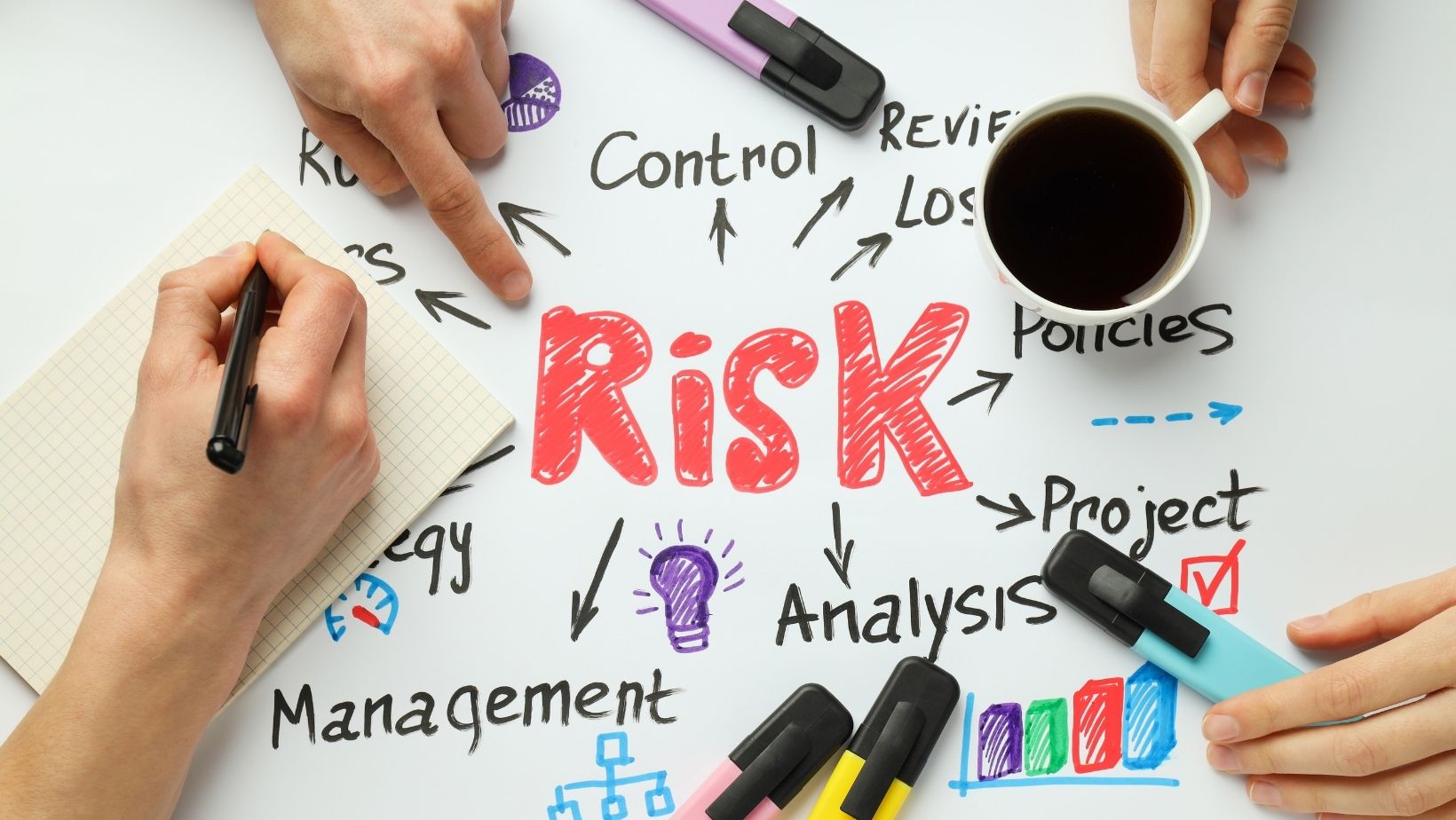
Keep alcohol to a minimum—no more than one drink a day for women, two for men. Too much alcohol can hurt your liver and raise your cancer risk. Chemicals in everyday products can build up over time. Try switching to natural cleaning supplies, use BPA-free containers, wash produce well, and check household items for anything questionable.
Even making small changes here can pay off for your health in the long run.
Adopting Safe Practices in Everyday Life
Simple safety habits really do make a difference—they help you avoid injuries that might stick with you for years. Buckling up in the car? That actually cuts your risk of serious crash injuries by about half.
Protecting your skin from the sun isn’t just about avoiding a burn. It helps keep skin cancer and early wrinkles at bay. I’d suggest using a broad-spectrum SPF 30 or higher every single day, even if it looks cloudy out. If you’re outside for a while, throw on some protective clothes and sunglasses too. It’s worth it.
At work, the way you set up your space matters more than you might think. If you keep your computer screen at eye level and pick a chair that supports your lower back, you’re less likely to end up with nagging pain. Don’t forget to stand up and stretch every hour or so—your body will thank you.
Getting enough sleep isn’t just nice—it’s necessary. Most adults need somewhere between 7 and 9 hours of good sleep in a dark, quiet room. If you’re dealing with bad air where you live, maybe try an air purifier. Breathing in pollution over time really adds up.
Washing your hands regularly still stands as one of the easiest and most effective ways to keep yourself from catching infections that could cause bigger problems down the road.
About The Author

 Win Warmth: Helpinus Medical Heating Tube Socks Giveaway — How To Enter & Why They Work (2026)
  5G Headache Remedies That Work: Practical Relief And When To Seek Help (2026)
  Stone Age Calisthenics: Helpinus Recap — What Worked, What Didn’t (2026)
  Thynaril Vorkyn: What It Is, How It Works, and What To Know In 2026
  Jay Stallings’ Health Guide: Practical, Evidence‑Backed Steps To Better Health With Helpinus (2026)
  Helpinus: Jay Stallings’ Practical Health Guides For Everyday Wellness (2026 Update)