
The Role of Insulin in Type 1 vs. Type 2 Diabetes

Insulin is a vital hormone that helps regulate blood sugar levels by allowing glucose to enter the body’s cells for energy or storage. When insulin function is impaired or absent, blood sugar levels rise—leading to diabetes. This condition affects millions worldwide and comes in different forms, primarily Type 1 and Type 2 diabetes. While both involve insulin-related issues, they differ significantly in causes, treatment approaches, and long-term care. Access to reliable tools and products from trusted providers like MWS medical supplies is crucial in helping individuals manage their condition effectively.
What Is Insulin, and Why Does It Matter?
Insulin serves as a key, unlocking cells to take glucose from the bloodstream.
This process is closely tied to sugar and its role in boosting energy. Glucose, acting as the main type of sugar present in the blood, serves as the body’s primary fuel source. When insulin functions properly, it helps transport glucose into cells, where it’s either used immediately for energy or stored for later use. If insulin is lacking or ineffective, the body can’t access that energy efficiently—often leading to fatigue, even when blood sugar is high. That’s why insulin isn’t just important—it’s essential for powering the body and maintaining balance.
Without enough insulin—or when the body becomes resistant—blood sugar rises, leading to short- and long-term complications. These complications can encompass nerve damage, kidney problems, vision issues, and cardiovascular disease.
For people with diabetes, managing insulin levels isn’t optional—it’s a daily responsibility. However, how insulin is handled depends on the type of diabetes a person has.
Insulin in Type 1 Diabetes
Type 1 diabetes is an autoimmune condition in which the body’s immune system mistakenly attacks and destroys insulin-producing beta cells in the pancreas. As an outcome, people with Type 1 diabetes produce little to no insulin and must rely on external insulin from the time of diagnosis.
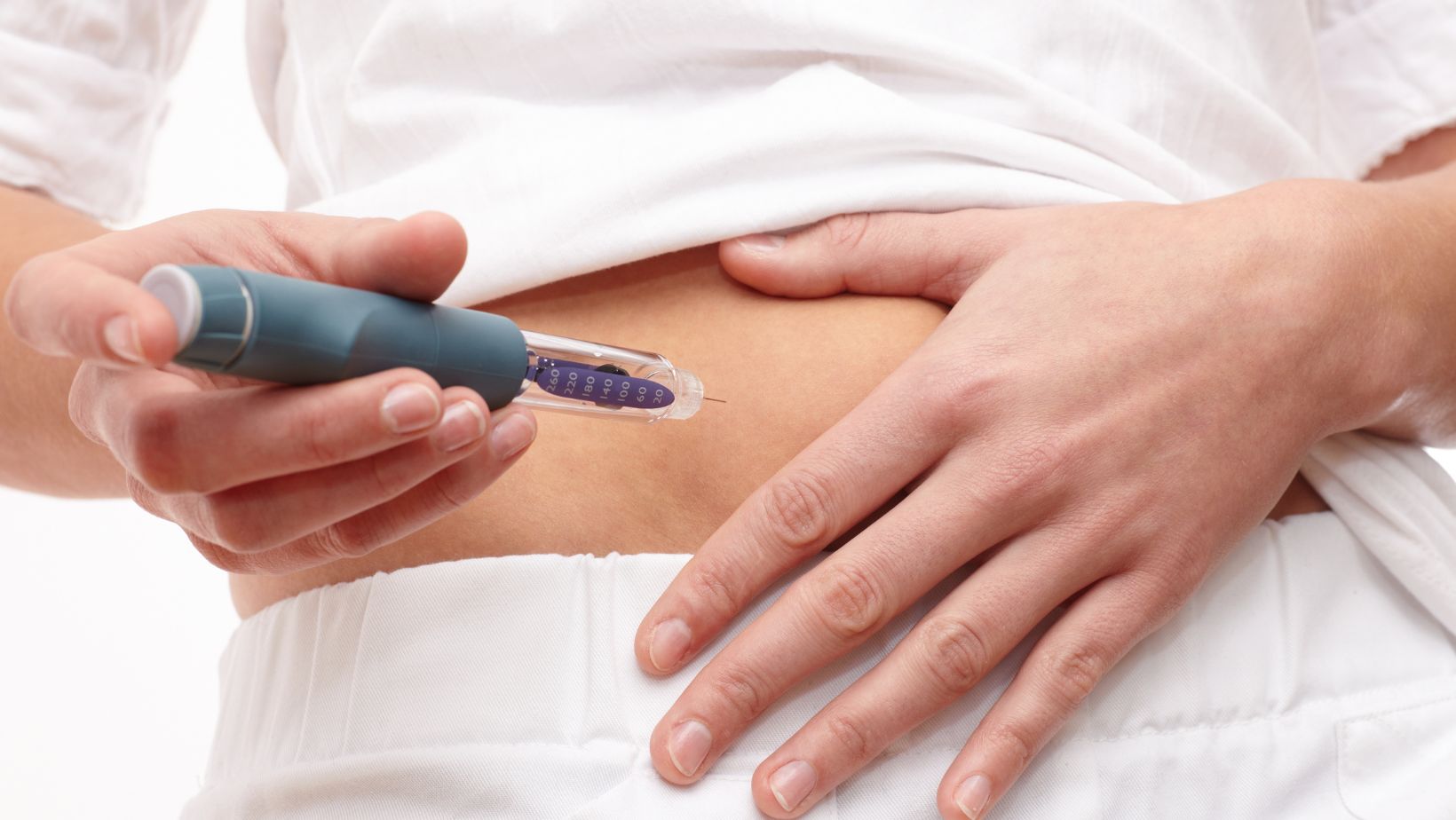
This form of diabetes is usually diagnosed in childhood or adolescence, though it can appear in adults. Without insulin therapy and treatment, a person with Type 1 diabetes cannot survive.
Insulin in Type 2 Diabetes
In Type 2 diabetes, insulin production continues, but the body’s cells become less responsive to its action. This means the pancreas has to work harder to produce more insulin, which, over time, can also lead to a drop in insulin production.
Unlike Type 1, Type 2 diabetes is typically linked to lifestyle factors encompassing poor diet, physical inactivity, and excess body weight. It is more common in adults, though rising childhood obesity rates have led to more cases in younger people.
Comparing Treatment Approaches
Though both Type 1 and Type 2 diabetes involve problems with insulin, their treatment paths differ significantly. In Type 1 diabetes, insulin production is absent or nearly absent due to an autoimmune response, so insulin therapy is required from the time of diagnosis. This form typically appears early in life and is managed exclusively with insulin.
On the other hand, people with Type 2 diabetes still produce insulin, but their bodies become resistant to it. As a result, insulin therapy may not be necessary right away. Type 2 diabetes is usually linked to a combination of lifestyle and genetic factors and often begins in adulthood.
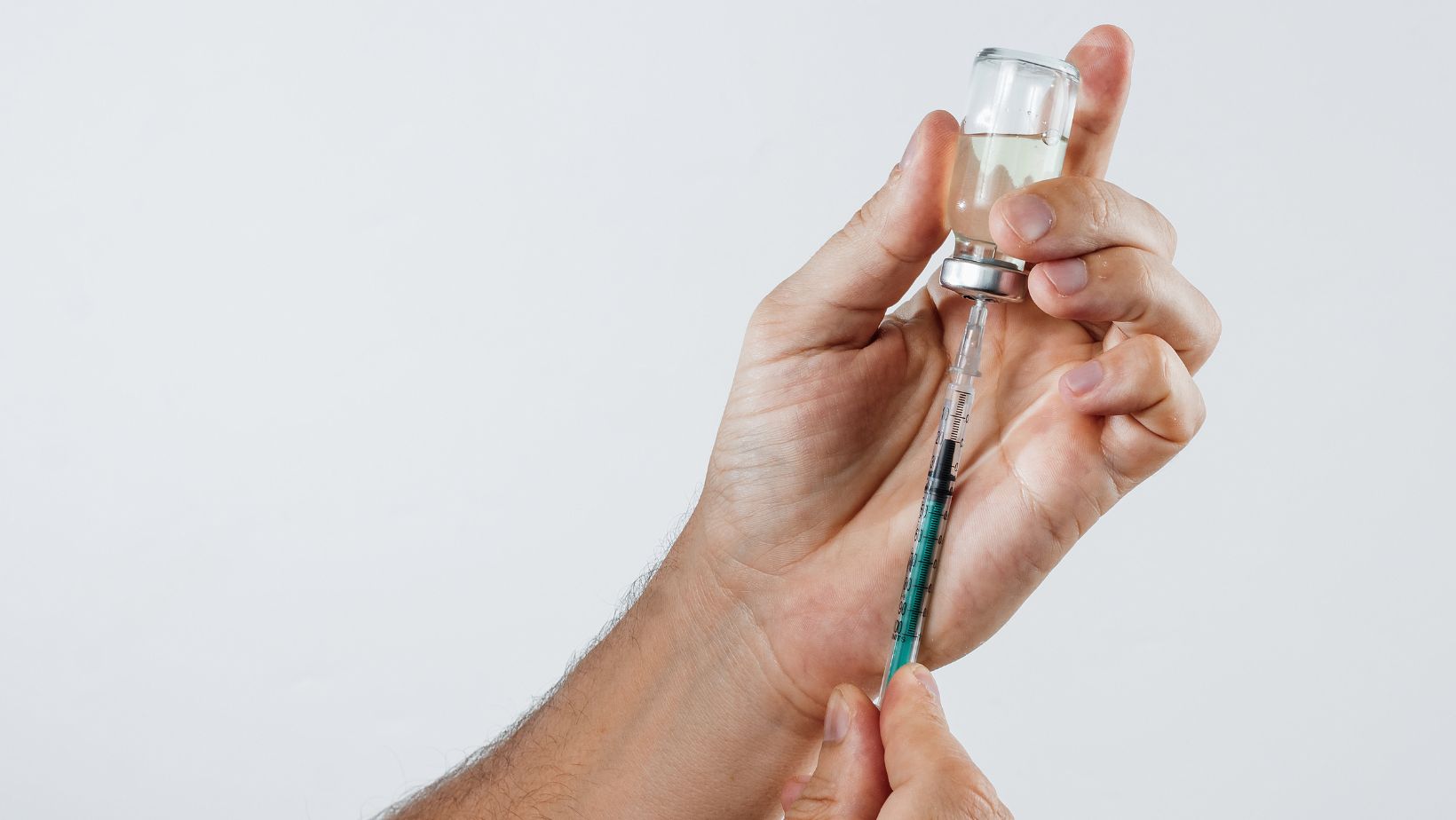
Treatment may start with oral medications or GLP-1 receptor agonists and progress to insulin if other interventions are ineffective.
Both types require long-term monitoring, medical support, and access to reliable tools and supplies. Trusted providers like MWS medical supplies help ensure that patients have consistent access to insulin delivery systems, test strips, syringes, and glucose meters—all critical components of diabetes care.
Conclusion
Insulin is the foundation of diabetes management, but how it’s used depends on the type of diabetes. People with Type 1 require insulin from the beginning, while those with Type 2 may delay it through lifestyle changes and oral medications. Regardless of the approach, managing insulin effectively with the help of medical supplies is critical to avoiding complications and maintaining energy levels.
Frequently Asked Questions (FAQs)
Do Both Type 1 And Type 2 Diabetes Require Insulin?
Not always. People with Type 1 diabetes require insulin from the start because their bodies don’t produce any. In contrast, people with Type 2 diabetes may only need insulin after other treatments stop being effective.
What’s The Main Difference Between Type 1 And Type 2 Insulin Use?
Type 1 patients rely on daily insulin for survival. In Type 2, insulin may be added later in the disease course if blood sugar isn’t controlled with other medications and lifestyle changes. The timing and dosage of insulin in Type 2 can vary greatly depending on individual needs and how the disease progresses.
How Is Insulin Delivered For Diabetes Treatment?
Insulin can be delivered through syringes, insulin pens, or pumps. Many patients also use continuous glucose monitors (CGMs) to help track sugar levels and effectively time their insulin doses.
Can Insulin Needs Change Over Time?
Yes. Type 1 and Type 2 patients may need dose adjustments due to illness, changes in weight, stress levels, or diet. Hormonal fluctuations, such as those during puberty or menopause, can also impact insulin requirements. Additionally, physical activity levels and certain medications may alter how the body responds to insulin, requiring careful monitoring and adjustment.
About The Author

 Win Warmth: Helpinus Medical Heating Tube Socks Giveaway — How To Enter & Why They Work (2026)
  5G Headache Remedies That Work: Practical Relief And When To Seek Help (2026)
  Stone Age Calisthenics: Helpinus Recap — What Worked, What Didn’t (2026)
  Thynaril Vorkyn: What It Is, How It Works, and What To Know In 2026
  Jay Stallings’ Health Guide: Practical, Evidence‑Backed Steps To Better Health With Helpinus (2026)
  Helpinus: Jay Stallings’ Practical Health Guides For Everyday Wellness (2026 Update)