
From Routine Checkups to Restorative Care: How Apex Dental Studio Serves Hutto, TX — Comprehensive Dental Solutions for Families and Professionals
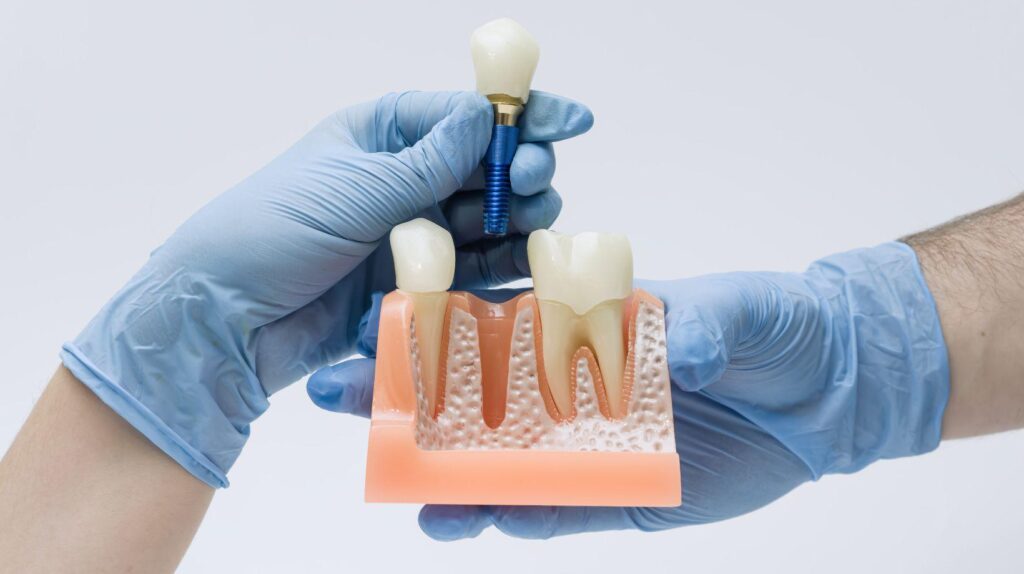
You’ll find practical, comprehensive dental care in Hutto that covers everything from routine checkups to complex restorative work. This helps you keep your smile healthy and functional at every stage of life.
Apex Dental Studio combines preventive services, personalized treatment plans, and restorative and cosmetic expertise. Care is tailored to your needs.
Walk through what to expect: how dental cleanings in Hutto, TX and preventative visits keep small problems from growing. Learn how customized plans address your goals and how modern techniques restore teeth comfortably and predictably.
Keep reading to learn how Apex makes dental care straightforward and comfortable. The practice is suited to families and individuals across Hutto.
Preventive Dental Services
You receive targeted, practical care that keeps small problems from becoming major treatments. Regular visits focus on detection, cleaning, and imaging to protect your oral health and save you time and money.
Comprehensive Exams
A comprehensive exam at Apex Dental Studio evaluates your teeth, gums, bite, and soft tissues. Your dentist performs a visual inspection and detailed probing to measure gum pocket depths and identify signs of gum disease, decay, or wear.
They will review your medical and dental history, update any medications, and ask about symptoms like sensitivity or jaw pain. Expect documentation of existing restorations, loose teeth, and any areas needing monitoring.
The exam includes treatment planning. If decay, gum disease, or structural problems appear, the team outlines options, timelines, and cost estimates so you can make an informed decision.
Professional Cleanings
Professional cleanings remove plaque and tartar that brushing and flossing miss. A dental hygienist scales hard deposits from above and below the gumline, polishes tooth surfaces, and applies fluoride when indicated to strengthen enamel.
Hygienists also evaluate your home care routine and show targeted techniques, such as proper flossing for tight contacts or using interdental brushes around implants. If you have heavy staining, the team discusses polishing or whitening options and schedules more frequent cleanings for patients with periodontal disease.
Digital X-Rays
Digital X-rays provide high-resolution images with lower radiation than traditional film. Your provider uses bitewing, periapical, or panoramic digital images as needed to reveal cavities between teeth, root problems, bone loss, and unerupted teeth.
Images display immediately on chairside monitors so your dentist can point out findings and explain implications. Digital records simplify comparisons over time, enabling precise tracking of changes and faster referral or treatment planning when you need fillings, root canals, or implants.
Oral Cancer Screenings
Oral cancer screenings at Apex Dental Studio inspect your lips, tongue, floor and roof of mouth, cheeks, and throat for abnormal tissue, red or white patches, and lumps. Your dentist performs a hands-on exam and may use adjunctive light-based tools when warranted to detect suspicious areas earlier.
If the exam finds a concerning lesion, the team documents size and appearance, recommends biopsy or referral to a specialist, and follows up to ensure you receive definitive diagnosis and treatment. You’ll receive clear guidance on risk factors, such as tobacco or heavy alcohol use, and practical steps to reduce risk and monitor changes at home.
Personalized Treatment Planning
You receive a plan built from your exam, medical history, diagnostic images, and personal goals. The team balances preventive, cosmetic, and restorative priorities to recommend specific, evidence-based steps tailored to your situation.
Evaluating Patient Needs
The first visit gathers measurable data: digital X-rays, intraoral photos, periodontal charting, and a review of your medical history and medications. This identifies active disease (cavities, infection, gum loss), structural concerns (fractured teeth, wear), and risk factors (dry mouth, bruxism, diabetes) that affect treatment choice.
The clinician also assesses function and esthetics. Bite relationships, jaw joint symptoms, and smile proportions guide decisions about crowns, implants, or orthodontics.
You get clear findings and objective risks before any recommendation.
Collaborative Goal Setting
You discuss what matters most: pain relief, tooth replacement, a whiter smile, or long-term maintenance. The dentist translates clinical findings into options with timelines, costs, and predictable outcomes so you can weigh trade-offs.
Expect prioritized treatment phases. Immediate needs (infection, pain) come first, followed by medium-term restorations and optional cosmetic enhancements.
Financial or scheduling constraints are incorporated so the plan fits your life.
Customized Care Approaches
The team offers tailored modalities: conservative fillings when structure permits, porcelain crowns for strength and esthetics, and implant-supported restorations for single or multiple missing teeth. Periodontal therapy and occlusal guards address gum health and bruxism, respectively.
You receive a written plan with step-by-step appointments, estimated duration, and maintenance intervals. Preventive measures—topical fluoride, sealants, home-care instructions—are specified to protect your investment and reduce future restorative needs.
Restorative Dentistry Expertise
Apex Dental Studio restores function, appearance, and comfort using conservative, evidence-based treatments. You’ll find options that prioritize tooth preservation, predictable long-term results, and materials that match your natural teeth.
Tooth-Colored Fillings
Tooth-colored (composite) fillings repair small to moderate cavities and replace old metal restorations with a natural look. Your dentist removes decay, bonds composite resin to tooth structure, and sculpts the filling to restore shape and contact with adjacent teeth.
Composite bonds chemically to enamel and dentin, which lets the dentist conserve more healthy tooth than with traditional amalgam. The material also matches your shade, resists staining, and can be polished for a lifelike finish.
Expect a single-visit procedure that takes 20–60 minutes depending on size. The treated tooth may feel sensitive for a few days; avoid very hard foods until the restoration fully sets.
Ask about fluoride and home care steps to reduce future cavities.
Dental Crowns and Bridges
Crowns restore heavily damaged or root canal–treated teeth by covering them with a custom cap that protects structure and restores chewing function. Bridges replace one or more missing teeth by anchoring prosthetic teeth to adjacent crowned teeth or implants.
A crown procedure typically requires two visits: tooth preparation and temporary crown placement, followed by fitting a custom-made crown in ceramic, porcelain-fused-to-metal, or zirconia. Bridges follow a similar workflow but involve impressions or digital scans to ensure proper bite and alignment.
Crowns and bridges improve strength, occlusion, and esthetics. You should maintain regular hygiene—floss under a bridge with a threader or water flosser—to prevent decay at margins and preserve the supporting teeth long term.
Root Canal Therapy
Root canal therapy removes infected or inflamed pulp from inside a tooth while preserving the outer tooth structure. Your dentist or endodontist cleans and shapes the canals, then seals them to prevent re-infection.
Modern endodontic care uses microscopes, digital radiography, and rotary instruments for more thorough cleaning and higher success rates. Most treated teeth receive a crown afterward to prevent fracture, especially molars and premolars that endure heavy chewing forces.
You’ll usually have local anesthesia and mild post-operative soreness for a few days. Antibiotics aren’t routinely required unless there’s spreading infection.
Prompt treatment reduces the risk of tooth loss and the need for extraction.
Dentures and Partials
Dentures and partials replace multiple missing teeth to restore chewing, speech, and facial support. Full dentures replace all teeth in an arch; partials clip onto remaining teeth or crowns to fill gaps.
Materials range from traditional acrylic to flexible resins and implant-supported prostheses. Implant-retained overdentures attach to two or more implants for improved stability and bite force.
Your care plan will consider bone volume, budget, and desired retention. Expect several appointments for impressions, try-ins, and adjustments.
Learn daily cleaning routines and occasional relining needs as tissue changes. Proper maintenance and periodic checkups help prevent sore spots and extend prosthesis life.
Cosmetic Dental Solutions
You can improve tooth color, shape, and alignment with targeted treatments that fit your goals and timeline. Options range from in-office whitening to full smile redesigns, each with specific steps, expected results, and care requirements.
Professional Teeth Whitening
You receive a consultation to evaluate tooth sensitivity, existing restorations, and staining causes before any whitening starts. In-office procedures use professional-grade hydrogen peroxide or carbamide peroxide gels applied under protective barriers and activated by light or heat when appropriate.
Sessions typically last 45–90 minutes and can lighten teeth several shades. Expect immediate improvement after an in-office session, with results maintained longer when you avoid staining foods and use prescribed take-home trays for touch-ups.
If you have crowns, veneers, or heavy intrinsic stains, whitening may not fully match those restorations. Your dentist will discuss alternatives or sequencing to achieve a uniform shade.
Porcelain Veneers
Veneers are thin ceramic shells bonded to the front of teeth to correct chips, gaps, severe staining, or minor misalignment. The process usually requires 2–3 visits: diagnosis and shade selection, minimal enamel reduction and impressions, then final bonding once the lab-made veneers arrive.
Veneers provide highly aesthetic, stain-resistant surfaces that mimic natural enamel. They require the same daily care as natural teeth—brushing, flossing, and regular cleanings—but are not reversible because of enamel removal.
Your dentist will review longevity expectations (often 10–15 years) and replacement planning.
Smile Makeovers
A smile makeover combines multiple treatments—whitening, veneers, crowns, Invisalign, and sometimes implants—to address function and appearance in a coordinated plan. Your provider will perform a full exam, digital imaging, and often mock-ups or a trial smile so you can preview outcomes before committing to irreversible steps.
Treatment sequencing matters. Whitening precedes veneer shade selection, and orthodontics may come before restorative work to optimize tooth position.
Financing options, realistic timelines, and maintenance plans will be discussed so you understand costs, appointments, and long-term care for predictable, lasting results.
Advanced Technology and Techniques
You’ll find tools and methods that improve accuracy, shorten treatment times, and reduce discomfort. The clinic uses digital workflows, 3D imaging, and minimally invasive approaches to keep procedures predictable and efficient.
Digital Impressions
Digital intraoral scanners replace messy putty impressions. You’ll experience a quick, non-invasive scan that captures thousands of data points to create an accurate 3D model of your teeth and soft tissues.
This model feeds directly into the dental lab or the office’s CAD/CAM system, so crowns, bridges, and night guards fit better on the first try. That reduces the need for multiple temporary restorations and fewer adjustment visits.
Digital files also make it easier for you to see proposed restorations on-screen, improving communication about shape, shade, and function before any work begins. Scans can be stored and compared over time to monitor wear, movement, or changes in oral health.
3D Imaging for Precision
Cone beam computed tomography (CBCT) and other 3D imaging provide a detailed view of bone, nerves, and sinus anatomy. You’ll get precise measurements for implant planning, allowing the team to select implant size and position that avoid vital structures.
3D scans streamline complex procedures like bone grafting and impacted tooth extractions. The images let clinicians anticipate challenges and present you with a clear, evidence-based treatment plan.
When combined with guided surgery, 3D planning can translate into shorter chair time, more predictable implant placement, and reduced postoperative complications. The result for you is a safer procedure and a more reliable long-term outcome.
Minimally Invasive Procedures
Minimally invasive dentistry focuses on preserving healthy tooth structure and reducing recovery time. You’ll see treatments that use smaller access points, conservative drilling, and soft-tissue management to limit trauma.
Examples include micro-restorations for early decay, flapless implant placement when bone and soft tissue permit, and laser-assisted treatments for soft-tissue contouring or periodontal therapy. These approaches often mean less bleeding, lower pain levels, and faster healing.
Minimally invasive techniques also emphasize preventive care and targeted repairs. The team uses diagnostics and conservative protocols to keep your treatment as simple and durable as possible.
Patient Experience and Comfort
You will find a calm, organized setting where advanced equipment, patient comfort, and flexible appointment options come together. Staff members focus on clear communication, efficient visits, and minimizing anxiety during both routine and complex procedures.
Modern Office Environment
The clinic sits at 21000 TX-130, Suite 100, in a purpose-designed space that emphasizes a spa-like atmosphere. Expect contemporary finishes, comfortable seating, and private operatories that reduce noise and improve privacy during exams and treatments.
Technology is integrated into your care. Digital X-rays and intraoral cameras speed diagnosis and let you see images in real time, so you understand treatment needs.
Sterilization follows current standards, and materials for restorations and implants are selected for durability and biocompatibility. Staff workflows aim to keep visits on time.
Online forms and digital check-in reduce paperwork, while treatment rooms are arranged to minimize transitions between steps. You get a more efficient experience without sacrificing thoroughness.
Sedation Options
If you experience dental anxiety or need a complex procedure, the practice offers sedation tailored to your needs. Options typically include oral sedatives for moderate relaxation and nitrous oxide for short-term anxiety relief, allowing you to remain conscious and responsive.
Before any sedative is used, the team reviews your medical history, current medications, and any allergies. They monitor vital signs during the procedure and provide post-procedure instructions for recovery and transportation, ensuring safety and clarity about aftercare.
You will receive written consent forms and pre-appointment guidelines when sedation is planned. Staff answer questions about expected effects, fasting requirements, and timelines so you arrive prepared and confident about the process.
Flexible Scheduling
You can book appointments online 24/7 or call the office during business hours at the listed number to speak with a team member. The clinic maintains extended weekday hours and occasional weekend availability to accommodate work and school schedules.
Same-day slots for emergencies are commonly reserved to address acute pain, broken teeth, or lost restorations.
For multi-visit treatments like implants or crowns, coordinators create a timeline that spaces appointments to fit your calendar while preserving clinical outcomes.
Payment and insurance coordination occur at scheduling to avoid surprises. The front desk explains estimated copays, in-office financing, and how they file claims, so you know cost and timing before treatment begins.
Community Engagement in Hutto, TX
You’ll find Apex Dental Studio active in local events and family-oriented outreach across Hutto. The practice supports routine dental health education and participates in community fairs to make preventive care more accessible.
You can expect patient-focused programs such as free oral-health materials, school outreach visits, and periodic screening events. These initiatives help catch issues early and connect families with follow-up care when needed.
Apex often collaborates with nearby organizations to extend services. Examples include partnerships with schools, local health networks, and community centers to host educational sessions or low-cost treatment days.
If you want specifics, look for announcements on their website or social pages about upcoming clinics and events. You can also contact the office to request group presentations for schools, senior centers, or workplace wellness programs.
Bold commitments:
- Preventive education: workshops and take-home resources.
- Access efforts: screening days and event-based care.
- Local partnerships: coordinated outreach with Hutto organizations.
Comprehensive Care for All Ages
You’ll find services tailored to each stage of life, from toddler cleanings to care for seniors. Routine exams and cleanings help prevent problems early.
Patient education supports good home habits. Children receive gentle, age-appropriate care that focuses on prevention and comfort.
Fluoride treatments, sealants, and growth monitoring protect developing teeth and reduce decay risk. Adults can access cosmetic and restorative options alongside preventive care.
Fillings, crowns, implants, and Invisalign-compatible treatments restore function and appearance. Seniors benefit from solutions that address wear, tooth loss, and oral-systemic health links.
Dentures, implant restorations, and periodontal maintenance help preserve nutrition and quality of life.
Key service categories you can expect:
- Preventive care: exams, cleanings, X-rays, sealants
- Restorative care: fillings, crowns, bridges, implants
- Cosmetic care: whitening, veneers, aligner therapy
- Emergency and surgical services: extractions, urgent relief
Appointments accommodate family schedules and continuity of care. Your whole household can be managed in one place.
You’ll work with clinicians who coordinate treatments and create tailored plans based on your age, needs, and medical history.
About The Author

 Helpinus.net Self-Care: Simple Daily Routines For Busy People (2026 Guide)
  Haldinusbet: The AI Emotional Support Tamagotchi You’ll Actually Connect With In 2026
  Ageless Allure: 4 Practical Elegance Techniques To Look And Feel Timeless
  Why A Spa Gift Is The Perfect Present: Thoughtful Ideas And How To Choose In 2026
  Helpinus Contours & Confidence: How To Sculpt Your Look And Boost Self-Esteem In 2026
  Restorative Face & Body Enhancement: Practical Techniques With Helpinus (2026 Guide)