
Why Does Bacteria Affect My pH Levels?
Your body is home to trillions of bacteria, and most of them are there to help you. These microorganisms play a significant role in digestion, immunity, and pH balance. When your bacterial balance shifts, your pH can shift with it, sometimes causing discomfort, recurring infections, or subtle changes you might not even notice at first. Understanding how bacteria influence pH is key to keeping your system stable.
What Does pH Mean in Your Body?
pH is a scale that measures how acidic or alkaline something is. Different parts of your body have different ideal pH ranges. Your stomach is highly acidic to help break down food, while your skin and vaginal environment are slightly acidic to keep harmful bacteria in check.
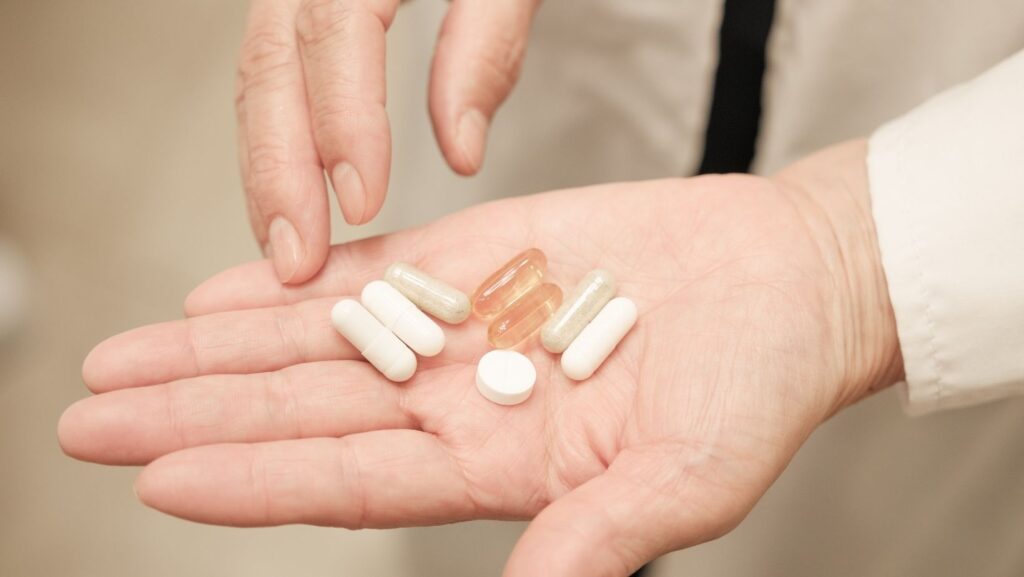
Maintaining the right pH, through both natural maintenance and by taking pH balance pills if needed, is essential for preventing infections and supporting digestion, nutrient absorption, and overall microbial health.
When your pH is in its healthy range, beneficial bacteria thrive, and harmful bacteria stay under control. However, when pH changes, it can trigger a chain reaction that affects which bacteria dominate.
What Do Good Bacteria Do?
Beneficial bacteria, especially Lactobacillus species, play a major role in maintaining a healthy pH. These bacteria produce lactic acid and other compounds that keep environments like the vagina slightly acidic. That acidity acts as a natural defense system, making it harder for harmful microbes to grow.
When these good bacteria are present in healthy numbers, your pH stays balanced. Problems begin when their population drops. Antibiotics, hormonal changes, stress, poor diet, and even certain hygiene products can reduce beneficial bacteria, creating a window for pH shifts.
How Can Harmful Bacteria Change Your pH?
When harmful bacteria multiply, they often produce substances that raise pH levels, making the environment more alkaline. This is especially noticeable in conditions like bacterial vaginosis, where an overgrowth of certain bacteria disrupts the natural acidic balance.
As pH rises, it becomes easier for even more harmful bacteria to survive, creating a cycle that’s hard to break without intervention. Symptoms such as odor, irritation, or unusual vaginal discharge are often associated with these bacterial and pH changes.
According to the Centers for Disease Control and Prevention, bacterial imbalances are among the most common causes of vaginal pH disruption, leading to recurring infections if left untreated.
Why Do pH Imbalances Keep Coming Back?
Many people treat the symptoms of imbalance without addressing the root cause: bacteria. You might clear an infection, but if beneficial bacteria aren’t restored, your pH may not stabilize for long. This is why recurring issues are so common.
Diet also plays a role. High sugar intake can feed harmful bacteria, while low fiber diets reduce the nutrients that good bacteria rely on. Hormonal fluctuations during menstruation, pregnancy, or menopause can also shift pH and bacterial populations. This ongoing tug-of-war between good and bad bacteria explains why pH problems can feel chronic rather than occasional.
Supporting Bacteria for Long-Term Stability
If bacteria affect your pH, then supporting healthy bacteria is one of the most effective ways to protect that balance. Probiotic-rich foods like yogurt and fermented vegetables can help replenish beneficial microbes. Gentle hygiene practices also matter, since over-cleaning can strip away the very bacteria you need.
In situations where lifestyle changes aren’t enough, pH balance pills may offer an added layer of support by promoting an environment where healthy bacteria can thrive again. Over time, this can help break the cycle of recurring pH disruptions and bacterial overgrowth.
The pH Balancing Act
Bacteria affect your pH because they create the chemical conditions that define whether an environment is acidic or alkaline. When good bacteria dominate, pH stays within a healthy range. When harmful bacteria take over, pH shifts and symptoms often follow.
Understanding this connection helps explain why pH issues are rarely just about acidity or alkalinity alone—they’re about bacterial balance. Supporting that balance through diet, hygiene, and pH balance pills can make a meaningful difference in maintaining comfort, preventing recurring infections, and promoting long-term overall health and wellness.
About The Author

 Recognizing Abuse in Elder Care Facilities
  What Actions Are Considered Domestic Violence?
  A Comprehensive Guide to CPR Certification Requirements by State
  Small Daily Fitness Habits That Transform Your Well-Being
  Why 3-Wheel Mobility Scooters Are Ideal For Seniors?
  Healing First: Letting the Experts Handle the Legal Mess