
The Complete Guide to Moving Better: How Physiotherapy Turns Small Changes Into Big Results

Finding trustworthy information about pain, injury, and performance can feel overwhelming. What actually works? What’s safe to try first? And when is it time to bring in a professional?
If you’re ready to understand what really helps—and get practical steps you can use today—click here to connect with Adelaide West Physiotherapy. Below, we’ll walk through a clear, evidence-informed approach to feeling and functioning better, whether you’re dealing with a brand-new injury or a nagging limitation that just won’t quit.
Why Physiotherapy Is Different from “Just Rest”
Rest has its place, but “wait and see” often becomes “wait and stiffen.” Physiotherapy bridges the gap between injury and full return to life by:
- Identifying the true driver (joint restriction? tissue irritation? movement habit? workload mismatch?).
- Reducing pain fast with targeted manual therapy, modalities when appropriate, and load management.
- Re-building capacity through progressive exercise so the issue stays fixed—not just quiet.
Think of it as active recovery: a plan that moves with you from relief → rebuild → performance.
The Three-Part Formula We Use With Patients
1) Calm It Down
In the early phase, the goal isn’t to “push through.” It’s to de-sensitize irritated tissues so you can move without flaring. This might include gentle joint and soft-tissue work, mobility drills in pain-free ranges, and short-term activity modifications (changing volume, not stopping life).
2) Build It Back
Pain often improves before capacity does. The second phase focuses on strength, endurance, and control: isometrics → tempo work → power/impact (as needed), region-specific progressions, and habit coaching that fits real schedules.
3) Make It Stick
We “bulletproof” the improvement with return-to-work/sport plans, ergonomic tweaks, and simple self-checks so you know exactly what to do if symptoms whisper—not shout.
Everyday Habits That Pay Off (No Gym Required)
- 30-30 Rule: Every 30 minutes of sitting, stand and move for 30 seconds.
- Stair Wins: One flight up, two flights down when possible.
- Phone Posture Cue: Each time you check your phone, roll shoulders back and look 10 metres away for 10 seconds.
- Two-Minute Core: Front plank (30s), side planks (30s each), glute bridge (30s).
Consistency beats intensity. Five minutes daily outperforms one heroic session a week.
Pain vs. “Hurt”: Read Your Body’s Signals
A little discomfort is normal when re-introducing movement; sharp, escalating pain is not.
- Green: Mild effort/stretch that settles within 24 hours → keep progressing.
- Yellow: Soreness lingering 24–48 hours → repeat the same dose before increasing.
- Red: Pain during exercise or next-day spikes that limit function → scale back and reassess.
Workstation Fixes in Under 5 Minutes
Hips slightly higher than knees; screen top at eye level; keyboard close to elbows; mouse grip light. Keep frequently used items within a forearm sweep. Add two “movement snacks” to your day: chin nods + shoulder blade slides (10 reps each, twice per day).
Runners, Lifters, and Weekend Warriors: Common Mistakes
- Volume jumps too fast. Aim for ~10% weekly progression (less after layoffs).
- Living in one speed. Mix slow strength, moderate endurance, short bursts of speed/power.
- Skipping the boring bits. Hips, ankles, and mid-back mobility make almost everything feel better.
A 20-minute template:
- Strength (10 min): Squat/hinge, push, pull × 2 sets.
- Mobility (5 min): Hips + thoracic spine.
- Capacity (5 min): Brisk walk, bike intervals, or skipping.When to See a Physiotherapist
- Pain limiting sleep, work, or training
- Symptoms return each time you ramp up
- Numbness/tingling or “giving way” sensations
- Post-surgery or after sprains/strains beyond 48–72 hours of self-care
What to Expect at Your First Appointment
- Conversation first (goals, schedule, what’s helped or failed).
- Movement screen (how you move, not just where it hurts).
- A plan you can live with (1–3 exercises, clear next steps).
Realistic Results: A Trustworthy Timeline
- Days 1–7: Pain modulation; better sleep and confidence to move.
- Weeks 2–4: Strength/mobility gains; daily tasks feel easier.
- Weeks 4–8+: Return to fuller activity with graded progressions.
Special Focus: Back, Neck, Shoulder, and Knee
- Lower Back: Often a capacity problem; core endurance + hip strength + lifestyle tweaks.
- Neck/Headaches: Desk tension responds to posture breaks, deep neck flexor work, and thoracic mobility.
- Shoulder: Think shoulder blade + ribcage teamwork; press/pull patterns beat isolation only.
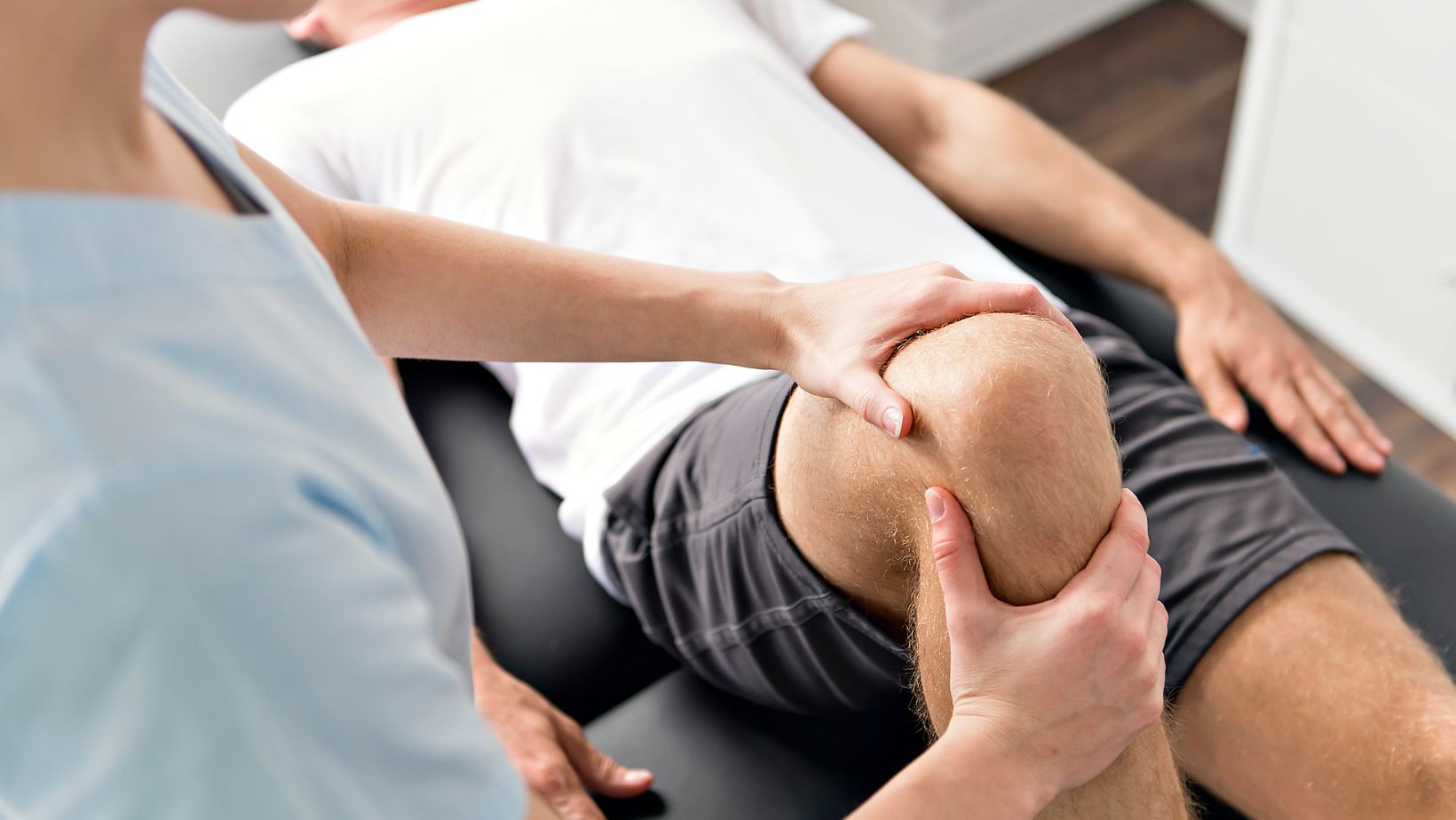
- Knee: Load the hips, mobilize ankles, progress tempo; knees love strength and gradual progression.
Recovery Tools—Helpful When Used Wisely
Gadgets (massage guns, braces, tape) can support your plan; they don’t replace progressive loading and coaching.
How We Personalize Care
Your goals, schedule, and feedback set the pace. We design short, effective programs you’ll actually do—and we refine them as you improve.
If you’d like help creating a plan that fits your life, click here to get started with Adelaide West Physiotherapy.
Extended Guide: 1,000-Word Deep Dive
Step-by-Step: From Assessment to Discharge
1) Clarity Session
We map your story: when symptoms began, what worsens/helps, sleep and stress, training/commute demands. Small details (like a new chair or different shoes) often unlock the case.
2) Objective Measures
Range of motion, strength endurance (time-based holds, rep counts), balance, and task-specific tests. These become your scoreboard—we don’t guess whether you’re improving; we measure it.
3) The Minimum Effective Dose
Your starter plan includes 1–3 exercises that respect your flare-up threshold and your schedule. Two minutes daily, done, beats 30 minutes never started.
4) Progressions You Can See
- Increase reps or time under tension
- Add load or tempo
- Expand ranges that were once sensitive
5) Return-to-Life Blueprint
We outline exactly how to re-introduce what you love—gardening, running, lifting, playing with kids—without boom-and-bust cycles.
Simple At-Home Screen: Where Am I Tight? Where Am I Weak?
- Ankles: Can your knee touch the wall with your heel 8–10 cm back?
- Hips: Can you hold a single-leg balance for 30 seconds eyes open?
- Thoracic Spine: Can you rotate to see the wall behind your shoulder without the hips twisting?
- Core Endurance: Can you hold a front plank 45–60 seconds with steady breathing?
If a test is limited or painful, that’s your first training target. Improve the worst link and everything else tends to move better.
Return-to-Run (RTR) & Return-to-Lift (RTL) Frameworks
RTR (2–3x/week):
- Week 1: 1 min jog / 1 min walk × 10
- Week 2: 2 / 1 × 8
- Week 3: 3 / 1 × 6
- Week 4: Continuous 15–20 min jog
Add strength (glute bridge, step-downs, calf raises) 2x/week.
RTL (2–3x/week):
- Phase 1: Tempo goblet squats (3×8 @ 3-1-3 tempo), Romanian deadlifts light, rows, pushups
- Phase 2: Back/front squat or trap-bar deadlift (moderate), split squats, overhead press
- Phase 3: Add power (kettlebell swings/medicine ball throws) if relevant
Keep 2–3 reps “in reserve” at first; technique > load.
Chronic & Recurrent Pain: A Practical Game Plan
Pacing over pushing. Set a baseline you can do on your worst day (e.g., 8-minute walk). Increase by 10–15% weekly only if symptoms settle within 24 hours.
Flare-Up First Aid (48 hours):
- Shorter, more frequent movement snacks
- Breath work (4-second inhale, 6-second exhale × 3–5 minutes)
- Heat or ice for comfort
- Sleep routine: consistent wake time, dark room, no screens 60 minutes pre-bed
Language matters. Replace “my back is broken” with “my back is sensitive today, and I have a plan.”
Balance, Bones, and Confidence for Active Aging
- Balance Ladder: Tandem stance → single-leg stance → single-leg eyes closed (with support nearby).
- Strength Trio (2–3x/week): Sit-to-stand, step-ups, loaded carry (even grocery bags).
- Walk with purpose: Hills, stairs, and uneven surfaces train ankles and hips safely.
A few minutes daily reduces fall risk and keeps you doing the things you love.
Sport & Season: Toronto-Friendly Ideas
- Cycling: Hip hinge mobility, thoracic rotations, and calf raises (protect Achilles/knee).
- Skating/Skiing: Lateral lunges, single-leg squats to a box, and ankle eversions.
- Paddling: Rotational core (pallof press variations), shoulder blade control, and hip flexor mobility.
We tune pre-season programs so you feel ready on day one, not rebuilding after day three.
Myth vs. Fact
- Myth: “Pain means stop.”
Fact: Pain means “adjust.” Load, tempo, and range can be tailored so you keep momentum. - Myth: “I need perfect posture.”
Fact: Bodies crave variety. Change posture often; build strength to tolerate positions. - Myth: “Manual therapy alone fixes it.”
Fact: Hands-on care can be a great accelerator—but progressive exercise is the engine.
Micro-Programs You Can Start This Week
Desk Reset (3 minutes, 2–3x/day):
- 10 chin nods
- 10 shoulder blade slides
- 10 thoracic extensions over chair back
- 30-second walk or stair loop
Lower-Body Builder (8 minutes, 3x/week):
- 2×10 sit-to-stands
- 2×8 step-downs (each side)
- 2×12 calf raises
- 1×30-second front plank
Shoulder Care (8 minutes, 3x/week):
- 2×10 band pull-aparts
- 2×8 wall slides
- 2×8 incline pushups
- 30 seconds of doorway pec stretch
Scale the dose to your day; consistency creates change.
Choosing a Physiotherapy Partner
Look for: registered physiotherapists (College of Physiotherapists of Ontario), clear communication, measurement-based progress, and plans that fit your life. You should leave each visit knowing why you’re doing each exercise and how to judge progress.
The Bottom Line
You don’t need a perfect body to move without fear—you need a clear plan and a coach in your corner. Physiotherapy turns complex problems into manageable steps: calm it down, build it back, make it stick. If you’re ready for that kind of support, click here to book with Adelaide West Physiotherapy today.
This article is for general information and does not replace individualized medical advice. If you have red-flag symptoms (unexplained weight loss, night pain, fever, significant trauma, or loss of bowel/bladder control), seek immediate medical attention.
About The Author

 Recognizing Abuse in Elder Care Facilities
  What Actions Are Considered Domestic Violence?
  A Comprehensive Guide to CPR Certification Requirements by State
  Why Does Bacteria Affect My pH Levels?
  Small Daily Fitness Habits That Transform Your Well-Being
  Why 3-Wheel Mobility Scooters Are Ideal For Seniors?