
The Case for Refurbished Medical Imaging Equipment Is Stronger Than Ever
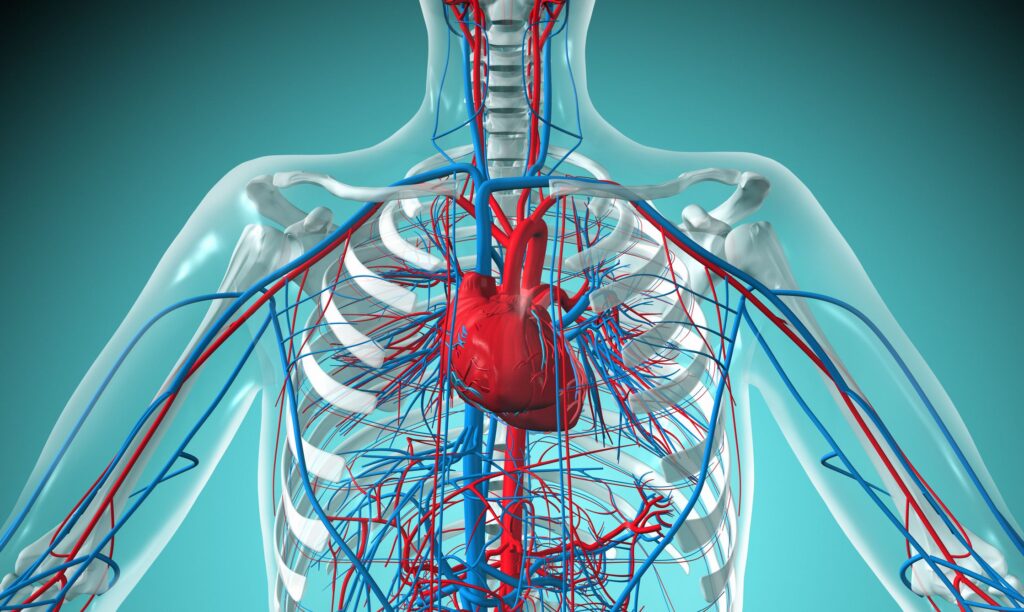
Refurbished medical imaging equipment has undergone a significant shift in perception over the past decade — from a reluctant budget compromise to a genuinely strategic procurement choice for hospitals, clinics, and community diagnostic centres that want to expand their capabilities without overextending their capital budgets. The range of systems now available in refurbished condition covers virtually every imaging modality a facility might require, from MRI and CT scanners to ultrasound machines, X-ray systems, C-arms, mammography units, cath labs, and specialist probes.
What Refurbishment Actually Means
The word refurbished covers a wide spectrum in some industries, but in medical imaging it carries a specific and rigorous meaning. Properly refurbished used medical imaging equipment undergoes comprehensive inspection, replacement of worn or ageing components with OEM-quality parts, software updates, full calibration, and final performance validation against original manufacturer specifications. The result is a system that performs to the same clinical standard as a new unit but is available at typically 50 to 60 percent of the new purchase price.
For facilities operating under tight capital constraints — which describes the majority of healthcare providers regardless of sector — that cost difference is often what makes the difference between expanding imaging services and remaining limited by what is already in place.
The Sustainability Argument Is Growing
Beyond the financial case, refurbished equipment carries a meaningful environmental advantage that is increasingly relevant to healthcare organisations with ESG commitments. Extending the operational life of a complex imaging system rather than replacing it with a new one conserves significant manufacturing resources and reduces waste — a consideration that now features formally in procurement decisions across both public and private healthcare in Europe.
Availability is another practical advantage that is easy to overlook. New imaging systems often involve lead times of several months. Refurbished systems in good condition are typically available for delivery within one to two weeks, which matters considerably when a facility is replacing failed equipment or responding to increased patient demand.
About The Author

 How a Weight Loss Clinic Can Transform Your Health
  When Should You Consult A Professional For A Custom Meal Plan In Hong Kong?
  How to Choose the Right 7OH Brand to Make a Purchase?
  CLL Treatment Options: Targeted Therapy, Chemo, Immunotherapy, and More
  The Essential Guide to Maintaining Better Vaginal Health
  Professional Vein Treatment Solutions for Leg Health