
Beyond the Spa: High-Tech Self-Care Treatments Worth Exploring
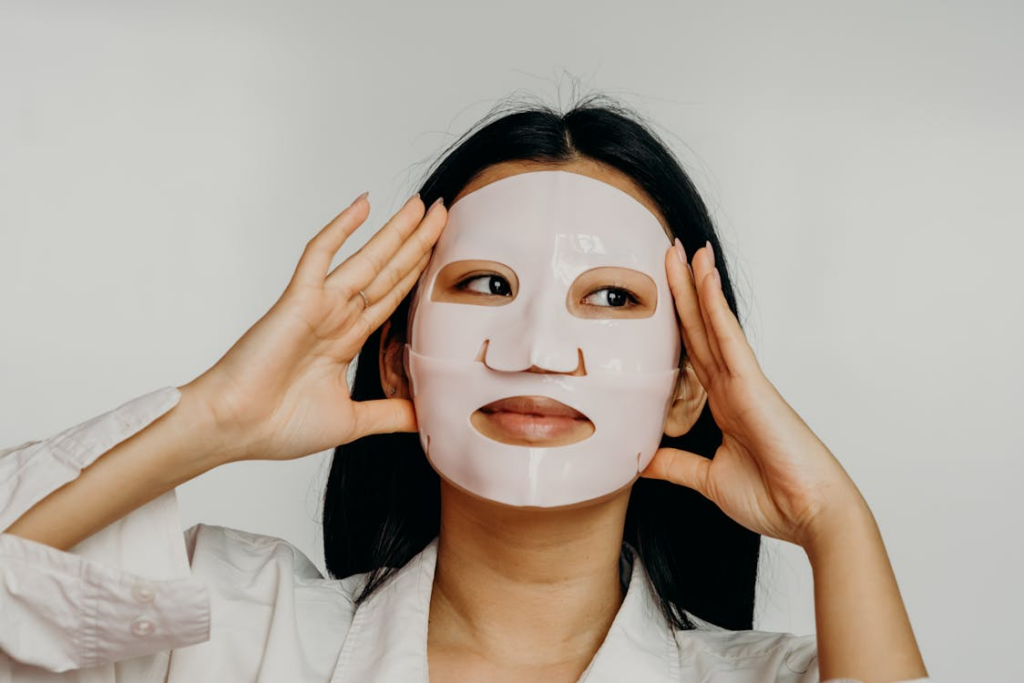
Massage, facials, and steam rooms are great.
SPA beauty treatments have earned their place in the self-care landscape for a reason.
But something is changing.
Millions of people are craving the next level of recovery and wellness results. And they’re turning toward technology-backed solutions to get there. The global wellness economy is worth $6.8 trillion as of 2024 — and it’s expected to reach nearly $10 trillion by 2029.
Hyperbaric oxygen chambers, cryotherapy, infrared saunas — welcome to the future of self-care.
Here’s your guide to five high-tech treatments that are well worth your time.
What You’ll Learn…
- Why high-tech self-care treatments are blowing up
- Oxygen therapy wellness and hyperbaric chambers
- Cryotherapy: Recovery in the Cold
- Red Light Therapy
- Float Therapy
- IV drip therapy
Let’s dive in.
Why High-Tech Self-Care Treatments Are Blowing Up
Gone are the days when people wait until they’re sick to take care of themselves.
Think about it…
Consumers today want to optimize how they feel, perform, and recover on a daily basis. Sure, pampering yourself is still important. But it’s just one piece of a larger self-care puzzle.
Prevention, recovery, and consistent care are where the self-care industry is headed. And high-tech wellness treatments fit that bill perfectly.
Nearly 40% of people said they’re willing to pay more for wellness technologies. And they’re getting results that stick — 71% of users reported their high-tech wellness treatments made a noticeable impact on their health and well-being.
Targeting specific health goals (like pain management, beauty, or brain health), new technology allows users to dive deep into their personal wellness journeys. And the results they can achieve.
Hyperbaric oxygen chambers used to only be available in hospitals. Now you can find one for sale for your own home or practice.
Need recovery help? Instead of being solely at the mercy of an ice bath, cryotherapy gives athletes and fitness fans access to whole-body recovery.
Science-backed. At-home accessible. Designed to help you perform better, look better, and feel better.
If you’re wondering what the hype is about, let’s dig into a few of these treatments. There are so many options available, you’re bound to find one that piques your interest.
Oxygen Therapy Wellness
This treatment has taken the wellness industry by storm over the past few years.
Anyone who’s familiar with hyperbaric oxygen therapy (HBOT) knows how powerful this treatment can be.
How does it work?
During oxygen therapy wellness sessions, users breathe in pure oxygen while sitting inside a pressurized chamber. This high-pressure environment contains up to 2.5 times more oxygen than the air around us. The extra oxygen is then pushed into the bloodstream and delivered to tissues all over the body.
More oxygen = more healing.
Research shows that HBOT can accelerate cell repair, lessen inflammation, and help the body recover faster. Doctors use them to treat physical trauma and rehabilitation after surgery. Athletes use them to recover faster between workouts.
It shouldn’t come as a surprise that more consumers want to find a hyperbaric oxygen chamber for sale that they can use at home.
The global hyperbaric oxygen therapy devices market was valued at $3.59 billion in 2024 and is expected to reach $6.35 billion by 2035.
If you’re curious about what oxygen therapy wellness can do, here are a few popular applications that are being explored:
- Faster recovery (post workout, post-surgery, etc.)
- Improved cognition, anxiety, and stress management
- Better sleep + more energy
- Reduction of pain and inflammation
- Boost immune system functioning
Want to learn more? Check out this detailed guide on Oxygen Therapy Wellness.
Cryotherapy
Throw yourself into a cryotherapy chamber cooled to -200°F for 3 minutes and come out feeling rejuvenated.
At least that’s what happens when you use whole body cryotherapy (WBC). Cryotherapy chills the body to extreme temperatures, forcing the body to heal and recover at the cellular level.
Here’s the research-backed lowdown: when exposed to icy temperatures, the body works to conserve blood flow to your organs. After the session ends and the body begins warming up, your extremities are flooded with blood. This helps decrease inflammation and allow the body to recover faster.
Cryotherapy is used for athlete recovery, but it’s also gaining popularity in the beauty space. Cryotherapy for skin was responsible for 32.5% of global revenue in the beauty and wellness category of the market in 2024. And it’s not hard to see why — cryotherapy increased 475% in search interest over the past 5 years.
Ready to freeze your way to recovery?
Find out more about Cryotherapy and recovery here.
Red Light Therapy
Ancient aliens didn’t invent red light therapy. But they could have.
Here’s the thing about Red Light therapy: it’s lowkey magic. Red LED lights help stimulate cell function by emitting longer wavelengths of red and near-infrared light. This lights up the mitochondria in your cells, helping them function more efficiently.
Interested in glowing skin and improved recovery? Want more energy to burn all day? Sounds like red light therapy could be the right fit.
Don’t have time to make it to the clinic? Not to worry. Red light therapy has made great strides in at-home treatments. Red light therapy panels allow users to get the same benefits without needing a bulky machine.
The numbers back it up too. The global aesthetical red light therapy market grew by 43.5% from 2023 to 2024 — and predictions show it will grow by 28.9% every year through 2032.
Checkout: Guide To Red Light Therapy: Benefits + Devices
Float Therapy
Want to know one of the most common questions float therapists get?
“Does it really work?”
Floating — or sensory deprivation therapy — has people skeptic at first. But once they try it? They’re hooked.
Floating sessions involve laying still in a pod filled with ultra salty water. The high level of Epsom salt in the water allows you to effortlessly float on your back. Floats are typically found in pitch-black rooms that allow you to surrender all thoughts and let your body and mind decompress.
While float therapy doesn’t use technology to “repair” the body, it’s resulted in some serious improvements for users.
Check out what float therapy is known to help with:
- Lower cortisol levels (stress hormone)
- Improve sleep quality
- Relieve tension and pain
- Increase mental clarity
It’s worth checking out if you’ve never experienced it before.
IV Drip Therapy
The most popular treatment comes last.
IV drip therapy has been growing exponentially for the better part of a decade. And for good reason: delivering vitamins and minerals directly into the bloodstream helps the body absorb near 100% of what’s being introduced.
Users can tailor their drip to their needs, from hydration to vitamin support. Wellness-focused drips often focus on helping people feel energized and recover from workouts, while beauty drips might focus on collagen production and hydration.
Want to give your body shelf-packed nutrients? Check out IV drip therapy.
IV Therapy Guide: Benefits, Side Effects, How It Works
The Takeaway: Technology-Enhanced Self-Care Is Here
Facials and massage guns won’t go away. But thanks to new advancements in wellness tech, there are a ton of new tools for people to utilize.
Hyperbaric oxygen chambers, cryotherapy, infrared saunas…the list goes on.
No matter your needs or goals, there’s a technology out there that can enhance the way you take care of yourself.
About The Author

 From Service to Civilian Life: A Wellness Guide for Transitioning Veterans
  Managing Loose Skin After Significant Weight Loss
  Emotional Well-being Amidst Sexual Harassment Challenges
  Enhancing Emotional Self-Care for Stronger Personal Connections
  Leading Myths About Laser Hair Removal in Toronto Busted
  Tanning: The Secret To Clear Skin