
How do Microdosing Products work in Cannabis Stores
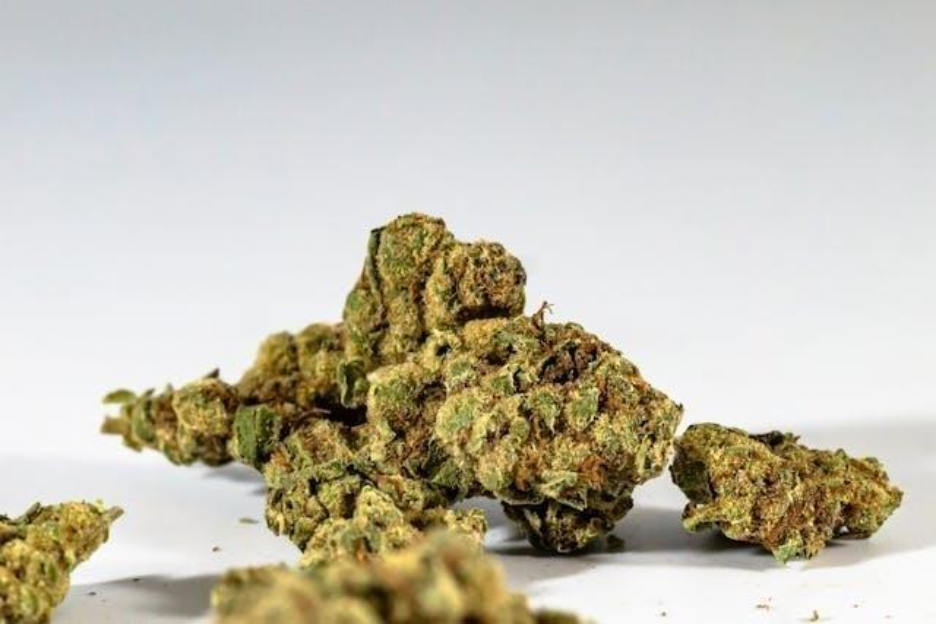
Microdosing products have become a familiar shelf category in cannabis stores, positioned for customers who want controlled, low-intensity effects while staying functional. Retailers market these items by blending education, packaging cues, and placement strategies that reduce uncertainty for first-time buyers. The emphasis is on predictability, dose clarity, and routine-friendly formats like mints, low-dose gummies, beverage shots, and mild vape options. Stores also align microdosing with preferences for moderation, tracking, and experiences, so the shopping journey feels guided rather than intimidating. Behind the scenes, merchandising teams use signage, staff scripts, and product grouping to turn small doses into an easy decision.
Marketing tactics inside the store
- Small doses, clear stories
Cannabis stores usually introduce microdosing with a simple story: small, consistent servings that let customers set the pace. Displays highlight milligram counts in large type, and shelves are often grouped by dose bands such as 1 mg, 2.5 mg, and 5 mg so shoppers can compare without doing math. Staff guidance reinforces that structure by emphasizing starting low, waiting for onset, and adjusting on a later day rather than chasing an immediate peak. Budtenders ask about tolerance, schedule, and whether the customer needs discretion on the day. Retailers also lean on familiar categories like edibles, discreet breath mints, and mini beverages to make the products feel approachable. A quick path to related low-dose nicotine-free alternatives is sometimes offered through https://capitalamericanshaman.com/cbd-cigarettes/ to match customers who want a lighter ritual. Placement matters, too, since microdose options are often set at eye level near low-dose signage rather than buried among high-potency items
- Packaging that signals control
Packaging does much of the marketing work for microdosing because it must communicate control at a glance. Stores favor brands that print serving size and total cannabinoids clearly on the front panel, using icons that show how many pieces equal one dose. Individually wrapped mints, blister packs, and scored gummies are displayed as proof that the dose is measurable, not guesswork. Retail teams also look for child-resistant designs that still open smoothly, since frustration can undermine trust in a low-dose promise. Color systems help shoppers navigate quickly, with one palette for THC-forward items and another for CBD-heavy or balanced ratios. Many stores position microdose products next to journals, dose trackers, or simple tip cards, reinforcing the idea of mindful use. QR codes for results add a layer of reassurance. By tying the package design to routine and consistency, retailers make microdosing feel like a planned choice rather than a gamble.
- In-store education without health claims
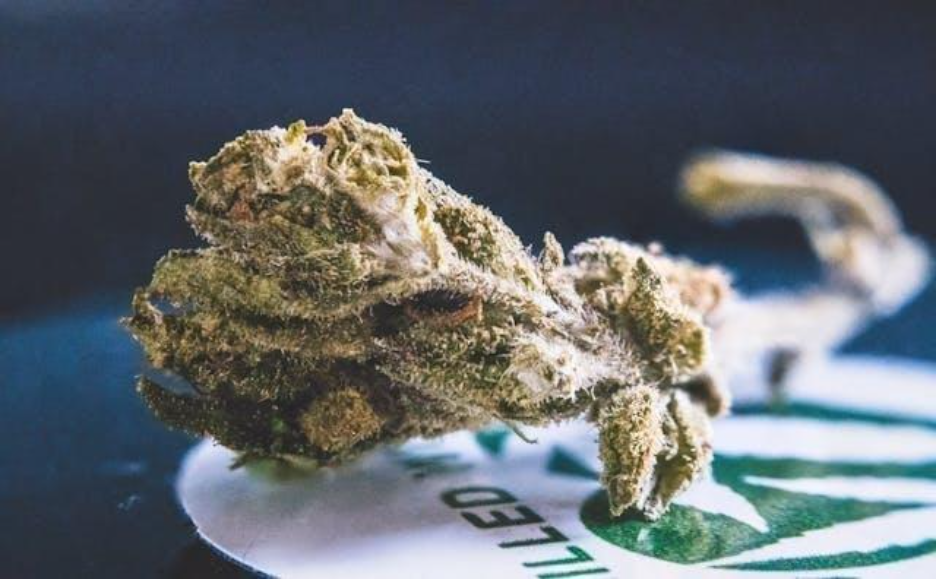
Microdosing marketing succeeds when education stays clear while respecting local advertising rules. Stores use shelf talkers that describe onset and duration in plain language, noting that edibles can take longer to take effect than inhaled formats and that beverages may fall between. Budtenders often explain that food, hydration, and prior use can change timing, so waiting is part of responsible dosing. Many retailers keep a simple comparison chart behind the counter, showing product form, typical onset window, and suggested spacing between servings. Instead of promising outcomes, staff focus on customer intentions such as staying social, remaining productive, or easing into the evening. Some stores host demos on reading labels so customers learn how to calculate intake per serving. Return policies, storage tips, and reminder signage about not driving while impaired further support the low-dose message. Education becomes the store’s branding when it is consistent, calm, and repeatable across every shift.
- Lifestyle positioning and bundle tactics
Beyond dose clarity, stores market microdosing by connecting it to everyday moments that feel familiar and planned. Merchandising might frame low-dose edibles as an alternative to a strong drink at a social gathering, or as a gentle option for a quiet movie night. Bundling tactics reinforce that story, pairing a micro mint with a sparkling beverage or a low-dose gummy with a small storage tin to support discretion. Checkout displays can be effective because they attract impulse buyers who are curious but cautious, and the low-milligram label reduces fear of overdoing it. Loyalty programs also matter, since points on multi-packs encourage repeat purchasing and make dosage routines feel normal. Seasonal endcaps highlight formats and resealable packs, while staff remind customers to store products safely out of reach of minors. Many stores also encourage shoppers to note reactions over time—the overall marketing message becomes moderate with options, not intense with surprise.
Added guidance for teams
Microdosing products are marketed through clarity, comfort, and routine-based storytelling inside cannabis stores. Retailers lean on dose-forward packaging, grouped displays, and steady staff education that sets expectations without drifting into prohibited health claims. Timing guidance, storage reminders, and responsible-use cues reinforce that low-dose items are meant for planned, measured experiences. Lifestyle framing, bundles, and checkout placement make microdosing feel approachable for cautious buyers while still serving regular customers who want consistency. When stores pair that merchandising with transparent testing access and simple label-reading habits, shoppers gain confidence and come back for the same controlled dose in their daily routines.
About The Author

 How Online Marijuana Card Consultations Work in Reston
  From Evidence to Practice: Integrating Alpine Zanubrutinib into CLL Treatment
Pathways
From Evidence to Practice: Integrating Alpine Zanubrutinib into CLL Treatment
Pathways  Why Beneficiary Planning Matters for Family Financial Security
  What Makes a Modern Online Casino Attractive to Players
  What Flavor and Texture Features Make CBD Gummies More Enjoyable?
  Are the Benefits of Coconut Water Overstated?