
What Actually Drives Up Your Dental Bill in Honolulu — And How to Avoid It: Practical Causes, Cost-Saving Tips, and Local Resources
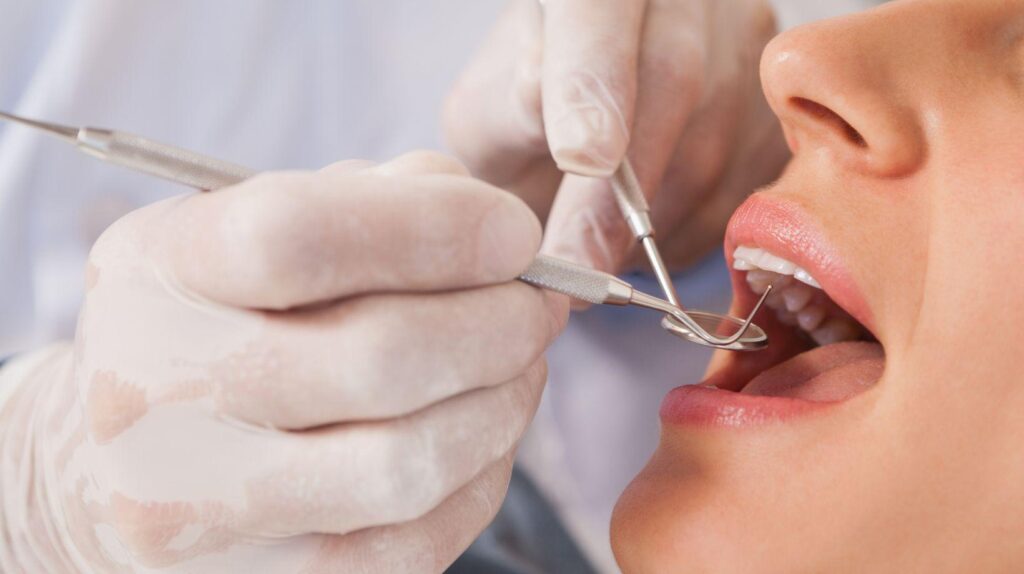
You often face higher dental bills in Honolulu because procedure complexity, materials (like crowns or implants), and local operating costs drive prices up. Preventive care plus smart plan choices cut those costs significantly.
Know which treatments are costly, which local factors push prices higher, and which simple steps you can take to avoid or reduce them.
This article breaks down where your money actually goes: from routine fillings and crowns to implants and emergency care. Learn how insurance or membership plans change your out-of-pocket cost, and which preventable issues make bills balloon. Finding an affordable dentist in Honolulu often comes down to knowing which of these cost-saving strategies to prioritize.
Expect clear, practical strategies for picking the right provider, using payment options effectively, and keeping long-term dental expenses under control.
Breakdown of Common Dental Costs
You’ll find that preventive care, simple restorations, and major prosthetics each drive costs in different ways. Knowing specific price ranges, what’s included, and common add-on fees helps you spot savings and avoid surprises.
Routine Exams and Cleanings
Routine visits usually include an exam, prophylaxis (cleaning), and necessary X-rays. Expect a cleaning and exam in Honolulu to range roughly $100–$200 without insurance; bitewing X-rays add about $20–$60.
New-patient exams, full-mouth X-rays, or periodontal charting often cost more. Insurance often covers two preventive visits per year; check whether your plan limits diagnostic X-rays or applies a deductible first.
Ask the office for a bundled preventive rate and confirm whether fluoride or sealants are extra. Choosing a dental office that offers membership plans or sliding-scale options can reduce out-of-pocket expense for regular care.
Fillings and Restorative Procedures
Fillings vary by material and tooth location. A single-surface composite (tooth-colored) filling in Honolulu typically runs $150–$450.
Multiple surfaces, posterior teeth, or deep decay that requires a buildup will push costs higher. Amalgam (silver) fillings are generally cheaper but less commonly used.
Complex restorations can require local anesthesia, temporary crowns, or multiple visits; each adds time and cost. If decay reaches the nerve, expect root canal treatment instead of a filling—root canals often cost $700–$1,800 depending on the tooth.
Ask for an itemized estimate showing materials, lab fees, and potential follow-up work before you agree to treatment.
Crowns, Bridges, and Implants
Crowns commonly cost $800–$2,500 per tooth in urban Hawaii, depending on material—porcelain-fused-to-metal, all-ceramic, or zirconia. Lab fees and custom shading are frequent add-ons.
A bridge replaces one or more teeth and includes crowns on surrounding teeth; expect cumulative costs for each abutment crown plus the pontic. Dental implants are the most expensive option: implant fixture, abutment, and crown together can run $3,000–$6,000 or more per tooth.
Additional costs include CT scans, bone grafts, and sinus lifts when bone volume is insufficient. Compare comprehensive quotes that list surgical, prosthetic, and imaging fees; sometimes staged treatment or bundled prices lower total out-of-pocket burden.
Local Factors Affecting Pricing
Expect higher charges when rent, shipping, and specialist availability increase. You can lower costs by choosing practices inland, scheduling efficiently, and asking about material and lab choices.
Geographical Overhead in Honolulu
Rent and utilities in coastal and central Honolulu tend to be above the statewide average. Practices in Waikiki, Ala Moana, and other high-traffic neighborhoods pay more for space, and those costs get passed to you through higher procedure fees.
You can often find lower prices by looking inland or in less-touristed neighborhoods where lease rates and property taxes are lower. Ask your dentist which office locations they operate and whether the quoted price reflects an island-wide average or a flagship-office surcharge.
Licensing, local permitting for larger renovations, and waste disposal fees for biohazard materials also add to overhead. These are small per-case amounts but add up across expensive procedures like implants and full-mouth restorations.
Availability of Materials and Specialists
Specialized implants, zirconia crowns, and certain lab-fabricated restorations may not be stocked locally. If a clinic must order parts, ship in custom abutments, or fly in a lab tech, those logistics show up on your bill.
When you need a periodontist, oral surgeon, or prosthodontist, their scarcity in certain neighborhoods can mean longer waits and higher consultation fees. Ask whether your dentist has in-office specialists, referral partners, or sends work to mainland labs to understand potential extra costs.
You can reduce expenses by choosing commonly available implant brands or materials. Accept scheduled delays for non-urgent lab work, or ask for alternative restorations that use locally stocked components.
Market Competition Among Dental Offices
Competition in Honolulu varies by neighborhood. Areas with many clinics—like central Honolulu—tend to offer more promotional pricing, bundled-treatment discounts, and flexible financing options you can use to lower out-of-pocket costs.
In locations with few providers, especially on outer islands or affluent enclaves, prices rise because dentists face less pressure to discount. Compare 3–5 offices for major treatments and request itemized quotes to spot markups on lab fees, implants, or specialist referrals.
Look for practices that publish pricing or use cost calculators, and ask about in-house labs, membership plans, and insurance billing practices. Transparent clinics make it easier for you to compare true cost rather than headline procedure fees.
Insurance and Payment Structures
You’ll find that coverage rules, out-of-pocket responsibilities, and how a practice bills you determine most of your final bill. Know your plan limits, check preauthorization for major work, and compare office billing policies before treatment.
Coverage Limitations and Exclusions
Dental plans in Honolulu commonly limit annual benefits, exclude cosmetic procedures, and impose waiting periods for major services. Check your plan’s annual maximum — many plans cap at $1,000–$2,000 per year — so multiple crowns or implants can quickly exceed coverage.
Preauthorization (predetermination) matters: for procedures like root canals, crowns, or implants, ask your insurer for a written preauthorization estimate to avoid surprise denials. Watch exclusions for orthodontics or implant coverage; they’re often expressly excluded or require separate riders.
Also verify frequency limits (e.g., one cleaning every six months, bitewing X-rays every 12–24 months). Keep a copy of benefit summaries and claim explanations; they support appeals if a covered service was wrongly denied.
Out-of-Pocket Expenses
You’re responsible for deductibles, co-pays, and any charges beyond plan limits or cosmetic exclusions. Deductibles for dental-only plans are typically $25–$150 per person annually.
Co-insurance often runs 20%–50% for major services after meeting the deductible. Treatments above your annual maximum, services not covered (e.g., veneers, some implants), and lab fees for crowns/partials drive out-of-pocket costs.
Emergency visits and care from out-of-network providers also raise your bill. Use estimates: request a written cost estimate from the dentist and a benefits estimate from your insurer.
If costs are high, ask the office about phased treatment or lower-cost alternatives, and confirm payment deadlines to avoid collection fees.
Billing Differences Between Practices
Offices vary: some file claims for you and accept most major plans; others expect you to pay upfront and seek reimbursement. Confirm whether the practice is in-network with your carrier — in-network offices usually accept negotiated fees and file claims directly.
Ask about billing policies: payment plans, CareCredit, or in-house financing options can spread costs. Some practices offer membership plans or discounts for uninsured patients, which may be cheaper than filing through insurance.
Clarify how they handle denials and appeals. Practices that assist with preauthorizations and appeals reduce your administrative burden and the chance of unexpected bills.
Preventable Causes of Higher Bills
You can cut dental costs by addressing a few common, avoidable mistakes that lead to complex treatment. Small actions—timely care, consistent home hygiene, and clear scheduling—prevent procedures that drive up bills.
Delayed Treatment and Neglect
Ignoring small problems lets them become expensive. A tiny cavity that could be fixed with a single filling can progress to a root canal, crown, or extraction if left untreated.
Each escalation multiplies chair time, lab fees, and follow-up visits. Act quickly when you notice pain, sensitivity, swelling, or a chipped tooth.
Ask your dentist for a cost estimate of early treatment versus delayed options. Many offices will prioritize quick, conservative care if you explain financial concerns, which can keep charges lower.
Oral Hygiene Habits
Poor home care increases the frequency of cleanings, restorations, and periodontal treatments. Brushing twice daily with fluoride toothpaste, flossing nightly, and using an antimicrobial rinse reduce plaque, cavities, and gum disease—conditions that otherwise require costly scaling, root planing, or surgery.
Focus on specific, measurable habits: two minutes per brushing session, floss once per day, and replace your toothbrush every three months. If you struggle, request a short hygiene coaching visit; prevention-focused guidance often reduces long-term treatment needs and bills.
Mismanaged Appointments
Missed or irregular appointments lead to worsening conditions and emergency care, which typically costs more. Skipping scheduled cleanings lets tartar build up, requiring deeper, more expensive treatments later.
Emergencies outside business hours also add urgency fees. Use calendar alerts, set recurring bookings, and confirm insurance benefits before visits.
If cost is an issue, ask about payment plans, in-office discounts, or sliding-scale community options in Honolulu. Clear communication with your provider prevents last-minute work and keeps charges predictable.
Choosing the Right Dental Provider
Choosing a provider affects both the quality of care and the final cost. Focus on verified credentials, clear treatment comparisons, and transparent written estimates to avoid surprise bills.
Assessing Credentials and Reviews
Verify a dentist’s license and specialty certifications through the Hawaii Board of Dentistry website before scheduling an appointment. Check whether the dentist lists advanced training—such as residency in prosthodontics, endodontics, or implantology—if you expect complex work.
Read recent patient reviews on multiple platforms (Yelp, Healthgrades, Dental Country) and note consistency: praise for clear communication, punctual appointments, and follow-through matters more than a single glowing or negative comment. Ask the office for before/after photos of cases similar to yours and for referrals you can call.
Confirm the office’s team makeup: who performs x-rays, who handles billing, and whether the same clinician treats you each visit. Consistency reduces diagnostic errors and duplicate fees.
Comparing Treatment Plans
Request a written treatment plan for any proposed work and ask the office to list alternatives, timelines, and measurable goals for each option. For example, compare a root canal-plus-crown pathway versus extraction plus implant, including expected lifespan and maintenance.
Ask for itemized line-by-line comparisons: procedure codes, estimated chair time, materials (porcelain vs. composite), lab fees, and follow-up visits. That lets you compare apples-to-apples between offices or between in-house and referral specialists.
Probe clinical reasoning: why the dentist recommends a given approach and what risks or hidden costs might emerge. If possible, get a second opinion for major or costly procedures to confirm necessity and cost-effectiveness.
Transparency in Pricing Estimates
Insist on a written, itemized estimate before authorizing treatment and confirm which items are estimates versus fixed fees. The estimate should include procedure codes (CDT), unit costs, lab fees, and projected number of visits.
Ask how the office handles unforeseen work discovered mid-treatment—will they pause and present options, or proceed and bill afterward? Clarify payment methods, interest on financing, and whether discounts apply for upfront payment or in-network insurance rates.
Verify what your insurance will cover and get preauthorization when available. If you’re uninsured, request a cost-lowering plan: phased treatment, less expensive material options, or referral to a dental school clinic for reduced fees.
Keep all estimates in writing for comparison and dispute resolution.
Strategies to Lower Out-of-Pocket Costs
You can cut dental expenses by preventing problems before they start and by joining programs that reduce fees at the point of service.
Utilizing Preventive Care
Schedule cleanings and exams every six months or at the frequency your dentist recommends to catch decay and gum disease early. Small fixes like fillings and periodontal treatment cost far less than crowns, root canals, or implants that develop from neglected issues.
Ask for bitewing X‑rays and a thorough periodontal charting when needed; early imaging often stops a larger procedure. Use fluoride treatments and sealants if you’re eligible—these add minimal cost at the time of service and lower cavity risk, especially for children and anyone with high decay risk.
Maintain daily habits: brush twice with fluoride toothpaste, floss once daily, and avoid frequent sugary snacks and acidic drinks. Track your own dental history and bring it to appointments so your provider can tailor preventive steps that reduce future bills.
Participating in Dental Discount Plans
Compare dental savings plans available in Honolulu that offer fixed discounts (typically 10–60%) on procedures when you use participating providers. Look at the provider network, annual maximums, waiting periods, and the exact discount for crowns, root canals, and implants before you join.
Calculate total annual cost: add the plan fee plus any out‑of‑network surcharges, then compare that to likely procedures you’ll need. For example, a $200 annual plan that saves $400 on a crown and $150 on a root canal can be cost‑effective if you anticipate restorative work.
Confirm whether the plan requires preauthorization for major services and whether it covers specialists (endodontists, periodontists). Keep a copy of discounted fee schedules and get written estimates from dentists to avoid surprise charges at checkout.
Navigating Dental Emergencies Without Overspending
You can reduce costs by quickly distinguishing true emergencies from issues that can wait. Getting a second opinion before committing to expensive procedures can also help.
Act fast for severe symptoms. Use cost-saving options like urgent-care dental clinics, dental schools, and payment plans when appropriate.
Identifying Urgent Versus Non-Urgent Care
If you have uncontrolled bleeding, severe trauma (tooth knocked out or split), or swelling that affects breathing or swallowing, go to an emergency dentist or ER immediately. These situations can cause permanent damage or life-threatening complications if delayed.
Severe tooth pain that won’t respond to OTC meds, visible abscess (pus), or fever with dental pain also counts as urgent. Prompt treatment can prevent extraction or root canal.
Mild pain, a loose filling, or cosmetic chip without pain usually can wait for a scheduled appointment.
Use this quick triage checklist:
- Seek immediate care: knocked-out tooth, uncontrolled bleeding, severe swelling, breathing difficulty.
- Urgent but not ER: severe pain, abscess, spreading infection, persistent fever.
- Non-urgent: minor chips, lost filling without pain, routine follow-ups.
Document symptoms, time of onset, and any first-aid you gave. That information helps the provider prioritize treatment and avoid unnecessary tests or referrals.
Seeking Second Opinions
Before accepting a costly plan like extraction plus implant or multiple root canals, get a second opinion from a different dentist or a dental specialty clinic. Costs vary widely in Honolulu; comparing two estimates often reveals less invasive or staged approaches that save money.
Options for second opinions:
- Visit another private dentist for a one-time consult.
- Use a dental school clinic for lower-cost exams and alternative treatment options.
- Ask for digital X-rays or copies of records to speed review and avoid repeat imaging.
When you request a second opinion, bring X-rays, a written treatment plan, and cost estimates. Ask specifically about conservative alternatives, timelines, and payment options.
A clear comparison reduces the chance you’ll pay for unnecessary or prematurely aggressive care.
Long-Term Approaches to Managing Dental Expenses
Focus on preventing problems before they start. Set aside predictable funds for likely procedures.
Establishing a Preventive Routine
You should schedule dental checkups every six months unless your dentist recommends a different interval based on your risk factors. Regular cleanings and bitewing X-rays catch cavities and gum disease early.
Early detection often lets you treat issues with inexpensive fillings rather than crowns or root canals.
Follow a daily hygiene plan: brush twice with fluoride toothpaste for two minutes, floss once, and use an alcohol-free antiseptic rinse if your dentist suggests it.
Address habits that increase risk—limit sugary drinks, avoid smoking, and wear a nightguard if you grind your teeth.
Ask your hygienist for a personalized risk assessment and written care steps. That targeted guidance narrows what you actually need to pay for.
Budgeting for Future Treatments
Create a designated dental fund and contribute a set amount each month based on likely costs. For example, if a crown averages $1,200 in Honolulu and you expect one in five years, saving $20–$25 monthly covers most of it when combined with routine care.
Compare payment options: in-house plans, dental savings plans, and third-party financing. In-house plans often reduce preventive visit costs and offer procedure discounts without wait periods.
Dental schools and community clinics can cut major-procedure costs by 30–50%. Keep an itemized estimate from your dentist before elective work and request cost-breakdown by CDT code so you can shop or negotiate specific line items.
About The Author

 How Vehicle Damage Can Help Establish What Happened in a Collision
  Save On Comfort: Helpinus Shoe Sole Addon Promo — How To Claim Your Discount In 2026
  HelpInUs.net: How To Navigate, Use, And Get Support Quickly In 2026
  HelpInUs.net: The Practical Guide To Finding Help Online In 2026
  HelpInnUS.net: How To Use The U.S. Assistance Portal Safely And Effectively (2026 Guide)
  HelpinUSs.net Review 2026: The Fast Guide For English-Speaking Visitors To Find Local US Help