
How Spinal Injuries Change Everyday Life and What Recovery Really Looks Like
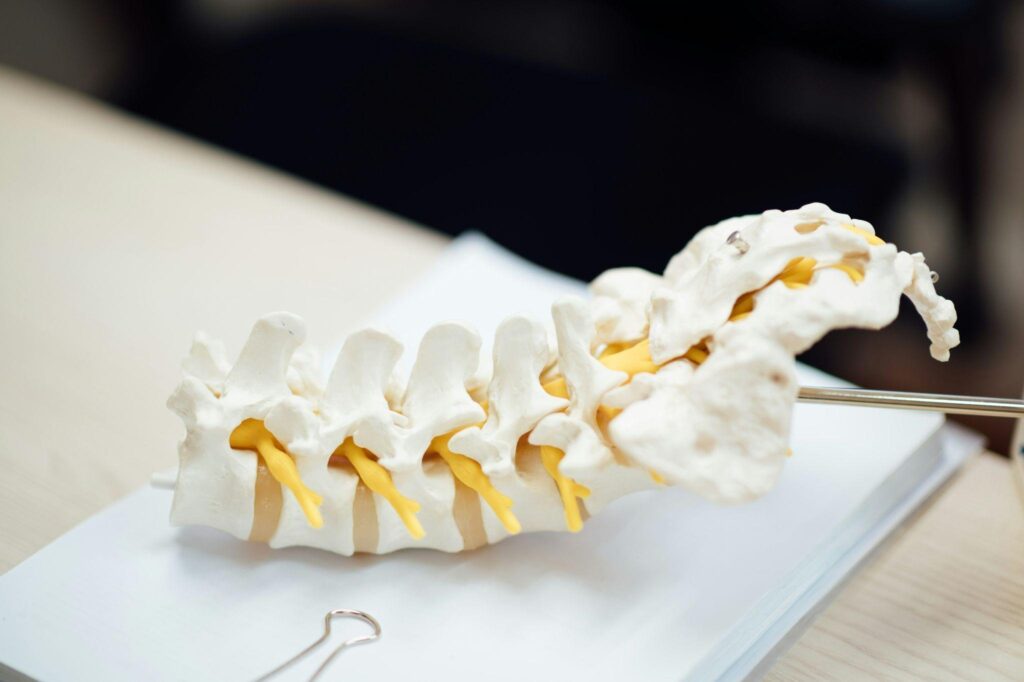
A spinal injury doesn’t just cause pain.
It changes lives. The way you dress yourself in the morning. The way you sit at your job. Whether you can walk to your fridge or drive yourself to work or pick your kids up from school.
But what a lot of people don’t see…
Your injury changes so much more than that.
Your routine.
Your daily life.
Here’s what you can expect after any kind of serious spinal trauma.
You’ll learn:
- How Spinal Injuries Happen
- 3 Ways Spinal Injuries Impact Everyday Life That Most People Miss
- What Recovery Actually Looks Like
- Why Working With an Insurance Claim Attorney is So Important
How Spinal Injuries Happen
Most people think spinal cord injuries are rare.
Think again.
There are around 18,000 new traumatic spinal cord injuries every year in America alone. (NSCIDC).
Once every few hours, someone is injured.
Car accidents. Sport accidents. Falls. Violence.
Things you wouldn’t wish on your worst enemy.
Nearly 70% of recent spinal cord injuries were caused by either vehicle crashes or falls. Violence and sports accidents account for most of the rest.
The victims usually don’t expect it to happen to them.
Which is why seeking legal guidance from an insurance claim attorney — and contacting a local Farmington personal injury lawyer as soon as possible — can literally pay off for the rest of your life.
Financially and legally speaking, you can’t afford not to.
3 Ways Spinal Injuries Impact Everyday Life That Most People Miss
Your brain might picture paralysis. You might think of a wheelchair.
While that’s definitely part of it for some people… it hardly scratches the surface of ways spinal injuries can impact day-to-day life.
Let’s dig into some of these details:
Simple Tasks Become Major Projects
Getting dressed and bathing. Things we take for granted can easily become all day projects.
Same goes for cooking, cleaning, and things around the house. Many spinal injury survivors rely on caregivers to handle these basic tasks.
Returning to Work Is Often Impossible
Your job might not be feasible anymore.
Between cognitive fatigue, chronic pain, and physical limitations; many people are forced into early retirement they’re simply not prepared for.
Relationships Suffer
Your relationships will be affected. Sometimes in tragic ways.
If you have kids, they have to learn how to support you. If you’re married, your spouse may need to take on caregiver duties.
Not to mention the trauma itself can cause serious irreparable damage to any relationship.
Mental Health Plummets
Between 20–30% of people with spinal cord injuries struggle with depression.
THIS IS NOT A SIGN OF WEAKNESS. Depression and other mental health consequences are REAL consequences of traumatic brain injuries.
Sleep Is Chronically Evaded
Need a good night’s rest? Good luck with that.
Seriously. Sleep problems are one of the most common secondary conditions reported by survivors due to chronic pain, muscle spasms, and autonomic dysfunction.
One injury to your spinal cord ruins just about every aspect of your daily life.
And here’s something else most people don’t factor into “the damage.”
Treatment and recovery cost A TON of money.
That’s not just hospital bills either.
Indirect costs like lost wages, lost productivity at work, physical therapy, and more cost sufferers an average of $95,000 each year on top of direct medical costs.
Multiply that by 40+ years and you’re looking at financial ruin if you’re not properly compensated.
What Recovery Actually Looks Like
Fun fact.
Approximately two-thirds of spinal cord injuries are considered incomplete injuries.
This means that while your spinal cord may have been injured, it did NOT completely sever at the injury site. Recovery and treatment can lead to improved functionality.
But incomplete doesn’t mean easy.
Full recovery from a spinal cord injury happens in phases.
Here are the three main phases of spinal cord injury recovery:
- Acute Phase – During this phase, you’ll spend the first several weeks after your injury stabilizing your spine, reducing swelling, and preventing any further damage. Patients now spend an average of 19 days in the hospital.
- Subacute/Rehabilitation Phase – Rehab begins. Learning how to adapt to your new lifestyle and mobility is the name of the game. This phase can often take months.
- Chronic Phase – Studies show that sensory and motor function improvements can continue for up to 18 months post injury. Some individuals experience significant improvement well beyond that timeframe.
Don’t forget — that applies to INCOMPLETE injuries only.
Complete injuries — where your spinal cord is fully severed at the injury site — have a much bleaker recovery prognosis.
You also have a better chance at recovery if:
- Your injury was classified as less severe when you were admitted to the hospital
- You’re younger when you receive your injury
- You receive consistent intensive rehabilitation
- You have access to strong psychological support/rehab services
- You have access to better rehabilitation technology (ie. robotic-assisted rehab)
There’s no timeline for recovery.
As difficult as it sounds, you have to take things day-by-day. Some days will feel like you’re taking three steps back.
Why Working With an Insurance Claim Attorney is So Important
Here’s the part most people don’t talk about.
While suffering through a spinal cord injury, getting legal representation matters.
It can’t be stressed enough.
Your whole life is about to change. A life you’re legally entitled to financial compensation for.
Depending on severity, spinal cord injuries can cost victims upwards of millions of dollars for care over a lifetime.
A high tetraplegia injury — one of the most severe forms of spinal cord injury — costs upwards of $6 million dollars for a younger person’s lifetime care.
Insurance companies aim to settle with you as soon as possible. For the least amount of money.
Having a good attorney on your side during these early stages means recovering much more compensation than going it alone.
An experienced insurance claim attorney will fight to ensure you’re fairly compensated for:
- Current and future medical bills
- Lost wages / earning potential
- Rehab costs & adaptive equipment needs
- Pain & suffering
- Modification costs to home & lifestyle
Don’t wait until it’s too late.
Wrapping Things Up
Life with a spinal cord injury isn’t easy.
But that doesn’t mean you can’t recover and live your life to the fullest.
It just means you’ll have to fight a lot harder for everything you used to take for granted.
Rehab will be your new normal.
As will higher expenses and a drastic lifestyle change.
Things will be different.
But you can get through it. And you can recover.
Just make sure you hire a good insurance claim attorney to fight for you.
About The Author

 Aging: What PBMCs Reveal About Our Immune System Throughout the Years
  What to Do After an Asbestos-Related Diagnosis: A Step-by-Step Guide
  Touch-Up vs. Full Redo: How Long Cosmetic Dental Work Really Lasts in Raleigh,
NC — Lifespan, Cost, and Maintenance Guide
Touch-Up vs. Full Redo: How Long Cosmetic Dental Work Really Lasts in Raleigh,
NC — Lifespan, Cost, and Maintenance Guide  Is a Root Canal Painful? Debunking the Myth for Inglewood Patients — What to
Expect and How Modern Care Minimizes Discomfort
Is a Root Canal Painful? Debunking the Myth for Inglewood Patients — What to
Expect and How Modern Care Minimizes Discomfort  How Palm Harbor Dentists Handle All-on-4 Cases With Existing Gum Disease:
Clinical Strategies and Patient Care
How Palm Harbor Dentists Handle All-on-4 Cases With Existing Gum Disease:
Clinical Strategies and Patient Care  Single Tooth Implant Timeline: From Extraction to Final Crown in Miami, FL —
Step‑by‑Step Guide and Expected Dates
Single Tooth Implant Timeline: From Extraction to Final Crown in Miami, FL —
Step‑by‑Step Guide and Expected Dates