
From Service to Civilian Life: A Wellness Guide for Transitioning Veterans
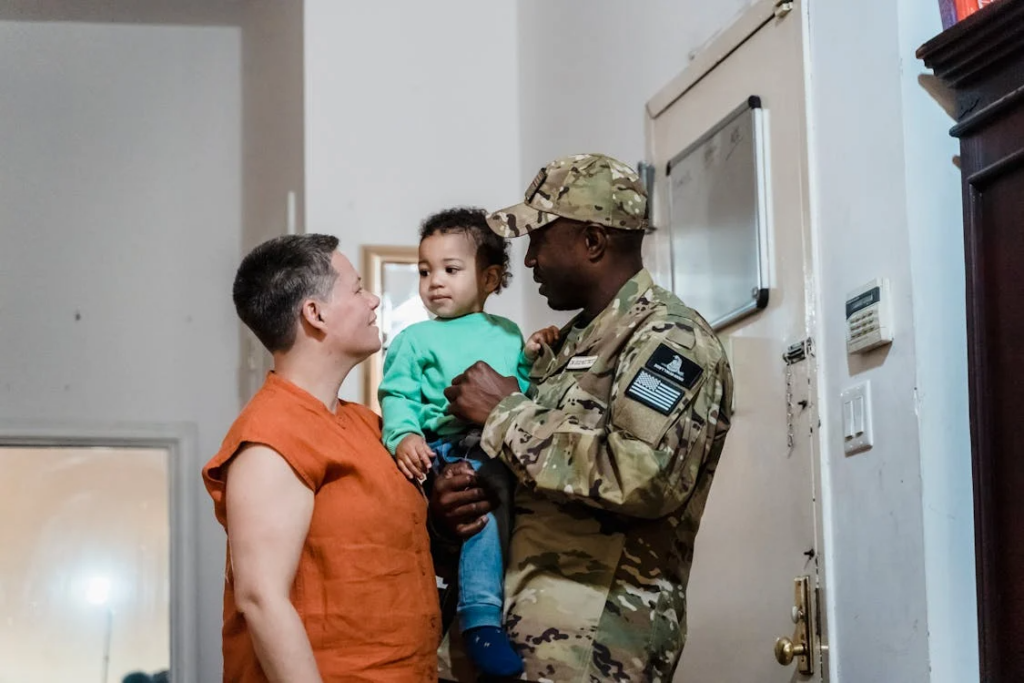
Transitioning to civilian life is harder than you think.
Routine, identity, camaraderie — gone. And no instructions on how to adapt to normal life.
The statistics prove it: over 60% of post-9/11 veterans experience difficulty transitioning back to civilian life. That’s not anecdotal. That’s the vast majority of recent servicemen and women.
Veteran wellness is important. Access to healthcare and compensation for injuries during service wait for no one. Starting your veteran medical evidence file early — with support from Claim Climbers — can mean the difference between receiving benefits you’ve earned…and being denied.
Read on for everything there is to know about veteran wellness.
Everything You Need To Know:
- Why Transitioning From Service to Civilian Life Is Harder Than It Looks
- Physical Wellness After Leaving The Military
- Battle After Service: Mental Health Challenges
- Veteran Medical Evidence: Start Your File Early
- Claim What You’ve Earned: The VA Benefits Package
- How To Stay Connected After Leaving The Service
Why Transitioning From Service to Civilian Life Is Harder Than It Looks
It’s not as easy as hitting a button and getting paid to play video games all day like modern media likes to make it out to be.
Transitioning from service to civilian life can be incredibly difficult. From the feeling of loss that comes from leaving the military, compounded with a lack of resources to break into veteran programs, veteran wellness quickly declines.
Mental health problems afflict roughly 41% of veterans annually. But only half of veterans are enrolled in VA health care benefits. Imagine going through one of the biggest life changes of all-time with limited access to resources designed to help you.
That’s why the majority of veterans struggle after service. Without ties to veteran programs, nearly two million veterans fall through the cracks every year. And the risk of suicide is highest within the first few months of leaving the service.
Veterans Affairs (VA) data shows at-risk veterans are 21% more likely to die by suicide than those who remain in the military.
Physical Wellness After Leaving The Military
War isn’t easy on the body. Years of training, carrying gear, and physically exerting yourself take their toll. But civilian life doesn’t provide free gym memberships or annual checkups.
After making the choice to leave the service, focus on maintaining physical health during the transition by:
- Getting care with a VA or civilian doctor as soon as possible
- Documenting any pain, injuries, or conditions you experience
- Seeking out a comprehensive health assessment to identify service-connected injuries
Veterans have access to free VA health care for life. Use it. Doctors can catch issues that may have gone unnoticed during service — and veteran medical evidence documentation doesn’t start until a record is created.
Battle After Service: Mental Health Challenges
Needless to say…
Veterans face daunting mental health challenges when transitioning to civilian life. PTSD is the most common casualty of war, but clinical depression and anxiety take their toll too.
New VA claims for mental health issues are rising 77% per year since 2020. That means more veterans are waking up and realising they don’t have to suffer in silence. Which is wonderful.
The problem is earning that benefit requires filing a claim. Many vets don’t because asking for help still feels wrong.
To military members, asking for mental health support is considered a weakness. They fought the good fight and served their time. Why should they still have to check in with a therapist?
This isn’t weak. Noticing a problem and taking action to fix it isn’t cowardice. Untreated mental health conditions do not just go away on their own. If you hurt your leg in bootcamp, you see a doctor. If you’re hurting emotionally or mentally, you should too.
Get help if you need it. There is absolutely zero shame in allowing someone to help you pick yourself back up.
Veteran Medical Evidence: Start Your File Early
This isn’t spoken about enough.
When veterans need to file a disability claim with the VA, too much time has passed and they aren’t given the compensation they deserve.
Veterans medical records are crucial to building a VA disability claim. The VA cannot compensate for injuries they know nothing about. Documentation starts the moment a veteran leaves the military. Be thorough, and don’t hesitate to seek care.
Here’s what to include in a veteran medical file:
- Documentation from time in service
- Notes from doctors after leaving the military
- Diagnosis and treatment from civilian healthcare providers
- Proof that links current conditions to military service
Read the complete guide on veteran medical evidence for tips on building your file.
Claim What You’ve Earned: The VA Benefits Package
Filing a VA claim is not as daunting as it sounds. In fact, the benefits package awaiting on the other side is life-changing.
VA disability benefits include monthly tax-free compensation, full access to VA health care, and a variety of veteran programs that can change a financial situation overnight.
Nearly 3 million VA disability claims were filed in 2024. That’s a record number of veterans standing up for themselves and claiming what they’ve earned.
Before filing, be sure to:
- Protect the “effective date” by filing an Intent to File (ITF) as soon as possible
- Gather all veteran medical evidence
- Claim any and every condition, even if caused by another veteran disability
- Work with a Veterans Service Organisation (VSO) to secure the highest rating possible
The veteran disability rating system isn’t meant to be gamed. By providing the VA with thorough veteran medical evidence, veterans ensure they receive the highest possible rating…because they deserve it.
How To Stay Connected After Leaving The Service
Perhaps the most overlooked aspect of veteran wellness is connection.
Leaving the military doesn’t just mean losing a job — it means losing a team. People who would drop everything to watch your six. A support system unlike any other.
It’s not easy to build that kind of friendship group outside of the military. Veterans have to seek each other out and maintain those relationships on their own.
Joining veteran organisations is a great way to meet other vets. Online communities can be a big help, too. Many cities have physical activity groups for veterans as well.
Loneliness and depression go hand-in-hand. Make veteran friends.
The Takeaway
Every transitioning veteran needs to focus on three things: health, documentation, and connection.
Veteran wellness starts with taking care of yourself on the physical and mental levels. Advocating for yourself by starting a veteran medical evidence file early is also critical. You’ll thank yourself later.
About The Author

 Online Home Care Services That Can Save Your Time
  When Life Interrupts Wellness: A Self-Care Playbook for Getting Back on Track
  Helpinus Ageless Allure: A Practical Guide To Timeless Skin And Confidence (2026)
  How Sullivan Dental Partners Handles Anxious or First-Time Dental Patients —
Compassionate, Evidence-Based Care and Practical Comfort Strategies
How Sullivan Dental Partners Handles Anxious or First-Time Dental Patients —
Compassionate, Evidence-Based Care and Practical Comfort Strategies  Crowns for Severely Worn or Discolored Teeth: Restorative Options, Benefits, and
What to Expect
Crowns for Severely Worn or Discolored Teeth: Restorative Options, Benefits, and
What to Expect  How Delaney Park Dental Handles Dental Anxiety Without Sedation: Calm, Effective
Techniques and Patient-Centered Care
How Delaney Park Dental Handles Dental Anxiety Without Sedation: Calm, Effective
Techniques and Patient-Centered Care